+44 7853 968135
What roofing is best for UK weather?

For the UK’s mix of rain, wind, and the odd hard frost, concrete or clay tiles remain the most popular choice for pitched roofs, while EPDM rubber is widely favoured for flat roofs. The right choice depends on your roof type, budget, and how long you want it to last. We’ll cover material options, flat roof comparisons, and timing your project sensibly.
What is the best material for a roof in the UK
Concrete tiles are the most common choice across the UK because they’re durable, relatively affordable, and cope well with our typical weather. Clay tiles offer a more traditional look and tend to last longer, while natural slate is the premium option, often lasting a century or more if maintained properly.
For older or listed properties, matching the existing material is often important, both for appearance and sometimes for planning reasons. Whatever material you choose, good quality felt or breathable membrane underneath makes a real difference to how well the roof copes with driving rain and wind.
Which roof is better, EPDM or TPO
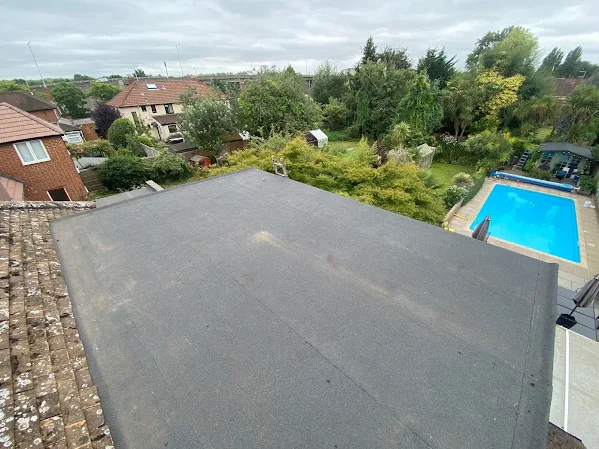
EPDM, a rubber membrane, has been the go-to choice for UK flat roofs for years because it’s flexible, handles temperature changes well, and has a strong track record with lifespans often reaching 30 to 50 years when installed correctly. TPO is a newer alternative that’s becoming more common, offering good UV resistance and a slightly different installation method using heat welded seams.
In practice, both perform well in the UK climate when fitted by an experienced installer. EPDM tends to be slightly cheaper and has a longer history here, while TPO can offer a brighter, more reflective surface. The bigger factor is usually the quality of the installation rather than which of the two materials you pick.
What is the cheapest time of year to get a new roof
Late autumn through winter is often when roofers have more availability and may offer better pricing, simply because demand drops off compared to spring and summer. Booking during quieter months can sometimes mean a faster turnaround and more competitive quotes.
That said, weather can cause delays in winter, so it’s worth building in some flexibility around your start date. If your roof is in urgent need of attention, it’s better to get it sorted regardless of season rather than risk further damage while waiting for a cheaper slot.
Do roofers work in the winter in the UK
Yes, most roofers continue working through winter, though heavy rain, snow, or strong winds can cause short delays for safety reasons. Reputable roofers will plan around forecasts where possible and won’t carry out major tile or felt work in genuinely unsafe conditions.
Emergency repairs, such as a leak or storm damage, are typically dealt with as a priority regardless of season. For planned full reroofs, your roofer should talk you through how weather might affect the schedule and build in some contingency.
Matching materials to your property type
If you live in a period property or one in a conservation area, there may be expectations or requirements to match existing materials like natural slate or clay tiles. A roofer experienced with older properties can advise on sourcing matching or reclaimed materials where needed.
For newer builds, there’s generally more flexibility, and concrete tiles in a range of colours and profiles can suit most styles. It’s worth asking to see samples or photos of completed jobs using the material you’re considering.
Comparing roofing materials at a glance
| Material | Lifespan | Relative Cost |
|---|---|---|
| Concrete tiles | 40-60 years | £ |
| Clay tiles | 50-70 years | ££ |
| Natural slate | 80-100+ years | £££ |
| EPDM (flat) | 30-50 years | ££ |
| TPO (flat) | 20-30 years | ££ |
A quick comparison like this can help frame the conversation when you’re getting quotes, since cost alone doesn’t tell the whole story once you factor in lifespan.
Ultimately the best material is the one that suits your roof’s pitch, your budget, and how long you plan to stay in the property. A roofer can talk through the trade offs based on your specific roof rather than a one size fits all answer.
There’s no single best material for every roof, but concrete and clay tiles remain solid choices for pitched roofs in the UK, with EPDM a reliable option for flat roofs. Get a proper assessment before deciding, and don’t be afraid to ask why a particular material is being recommended for your home.
Frequently Asked Questions
What roofing is best for UK weather?
Concrete or clay tiles are the most common and reliable choice for pitched roofs in the UK, while EPDM is widely used for flat roofs.
What is the best material for a roof in the UK?
Concrete tiles offer a good balance of cost and durability, clay tiles last longer with a traditional look, and natural slate is the premium long lasting option.
Which roof is better, EPDM or TPO?
Both perform well when properly installed, with EPDM having a longer track record in the UK and TPO offering a more reflective, modern finish.
What is the cheapest time of year to get a new roof?
Late autumn and winter often see lower demand, which can mean better availability and pricing, though weather may affect scheduling.
Do roofers work in the winter in the UK?
Yes, though heavy rain, snow, or high winds can cause short delays for safety, especially for tile and felt work.
How long does EPDM roofing last?
EPDM typically lasts 30 to 50 years when installed correctly, making it one of the more durable flat roofing options.
Is slate roofing worth the extra cost?
For period properties or those wanting maximum lifespan, slate can be worth the higher upfront cost given it can last over a century.
Can I mix materials on the same roof?
It’s possible, for example tiles on the main pitched roof and EPDM on a flat dormer or extension, and a roofer can advise on the best approach.
Does roof colour affect heat in summer?
Lighter coloured roofing materials can reflect more heat, which may help slightly with internal temperatures, though insulation has a much bigger impact.
How windy does it need to be before roof work stops?
There’s no single figure, but most roofers will pause work in winds strong enough to make ladders, scaffolding, or loose materials unsafe.
Are there roofing materials that need less maintenance?
Concrete and clay tiles generally need minimal maintenance beyond occasional checks, while flat roofs benefit from periodic inspections to catch small issues early.
Can I get a roof replaced in heavy rain?
Major tile or felt work usually needs to pause during heavy rain, though preparation and scaffolding can often still go ahead.
Do new roofing materials need planning permission?
Most like for like replacements don’t need planning permission, but changes to roof shape, height, or materials on listed buildings may require approval.
How do I choose between concrete and clay tiles?
Consider budget, the style of your property, and how long you want the roof to last, then ask a roofer for samples and a direct cost comparison.