

+44 7853 968135
What Should a Roof Replacement Actually Include?

A full roof replacement should involve stripping the existing roof down to the rafters, inspecting the structural timber, and installing new underlayment, battens, coverings, and flashings. It is a complete renewal, not a patch-up job, and must meet current UK building regulations.
What Is the Most Expensive Part of Replacing a Roof?
Labour is consistently the largest single cost in a UK roof replacement, typically accounting for 60% or more of the total project price. The work is specialist, physically demanding, and requires scaffolding and safety equipment before a single tile is touched.
Beyond labour, roofing materials vary dramatically in price. Slate, both natural Welsh and imported, sits at the premium end. Clay tiles are mid-to-high range, while concrete tiles and modern synthetic options offer a more budget-friendly alternative without compromising too much on longevity.
| Cost Element | Approximate Contribution to Total |
|---|---|
| Labour | 55% to 65% |
| Roofing materials (tiles/slates) | 20% to 30% |
| Scaffolding and access | 5% to 10% |
| Underlayment, battens, flashings | 5% to 8% |
| Waste removal and skips | 2% to 5% |
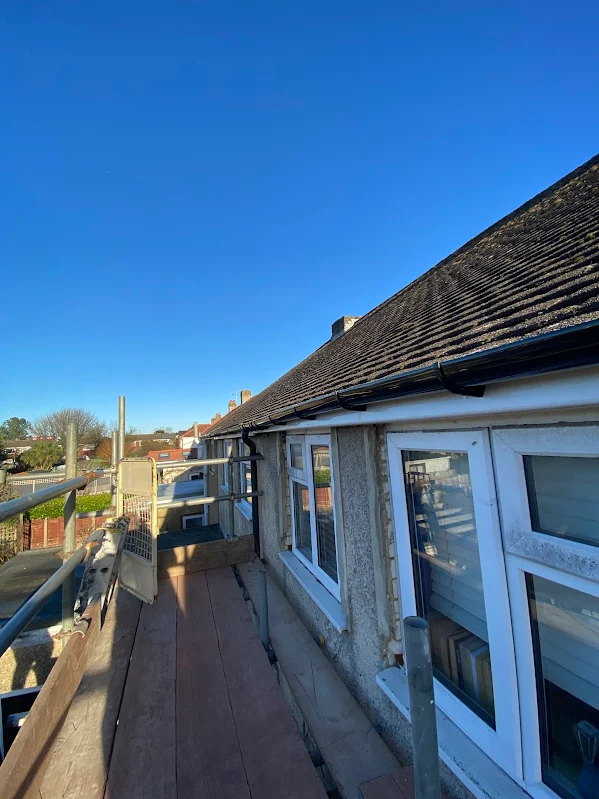
Scaffolding is a cost that surprises many homeowners. For a standard semi-detached property it can add £800 to £1,500 on its own, and it cannot be skipped safely. Any roofer who quotes without including scaffolding should be questioned on this immediately.
Structural repairs are the wildcard. If rotten rafters, damaged decking, or failing ridge timbers are found during the tear-off, repair costs can push the overall figure up significantly. This is why reputable roofers always inspect the structure before providing a final price.
Need some Support with your Roof Repairs? Speak with a member of our Professional Roof Repairs Team here
How Can You Tell a Dodgy Roofer?
Roofing has a well-documented problem with rogue traders, and knowing the warning signs can save you thousands of pounds and a great deal of stress. The most common red flag is an unsolicited knock at the door, often following a storm, with claims that your roof looks dangerous and needs urgent work.
Legitimate roofers do not typically cold-call. They rely on word of mouth, online reviews, and trade directories. If someone knocks on your door with an urgent pitch, treat it with extreme caution.
Key warning signs of a dodgy roofer:
- Demands full payment upfront before any work begins
- Cannot provide a written, itemised quote
- Has no traceable business address or company registration
- Discourages you from getting other quotes
- Offers a cash-only deal with no VAT
- Refuses to provide references from previous customers
- Suggests work needs doing immediately without a proper inspection
- Provides no written contract or guarantee on workmanship
Always verify that your roofer is registered with a recognised trade body such as the National Federation of Roofing Contractors (NFRC) or carries TrustMark accreditation. Check their reviews on independent platforms and never pay more than a reasonable deposit, typically 10% to 25%, before work starts.
What Are the 5 Functional Requirements of a Roof?
A roof is not simply a covering. It is a system that must perform several critical functions simultaneously to protect a building and the people inside it. Understanding these requirements helps you assess whether a replacement has been carried out properly.
| Functional Requirement | What It Means in Practice |
|---|---|
| Weather resistance | The roof must shed rain, resist wind uplift, and prevent moisture ingress |
| Structural stability | It must support its own weight, snow loads, and maintenance access |
| Thermal performance | Adequate insulation must meet current building regulation standards |
| Fire resistance | Materials and construction must meet relevant fire safety classifications |
| Ventilation | The roof space must allow moisture vapour to escape to prevent condensation |
A replacement that only addresses the visible outer covering without considering insulation levels or ventilation will fail to meet current UK standards. Under current building regulations, replacing more than 50% of your roof typically triggers the need for building control approval to ensure insulation meets current thermal performance requirements.
Ventilation is a commonly overlooked element. Without proper eaves ventilation and, where needed, ridge ventilation, condensation will build up within the roof space over time, leading to mould, timber decay, and ultimately the need for costly repairs.
What to Be Aware of When Replacing a Roof?
A roof replacement is one of the largest investments a homeowner makes, so going in with eyes open is essential. The first thing to clarify before work begins is exactly what is and is not included in the quote. A detailed, itemised quote should cover materials, labour, scaffolding, waste removal, and any expected structural repairs.
Be aware of the building regulations position. If your replacement covers more than half the roof area, building control notification is likely required. This is not a bureaucratic hurdle but a protection for you as the homeowner, confirming the work has been completed to current standards.
Warranties matter. You should expect at minimum a 10-year guarantee on workmanship from a reputable contractor, and many quality materials come with manufacturer guarantees of 20 to 30 years or more. Get these in writing before work begins and keep copies of all paperwork after completion.
Key things to confirm before your roof replacement starts:
- Scaffolding is included in the quote and will be erected before work begins
- The roofer will carry out a full structural inspection during the tear-off phase
- The breathable membrane and new battens are included, not just new tiles
- Flashings around chimneys, valleys, and abutments will be replaced, not reused
- You will receive written warranties covering both materials and labour
Finally, prepare your property. Clear the loft of any valuables, protect garden furniture, warn your neighbours of the noise and disruption, and consider whether you need to stay elsewhere during the project. A well-prepared homeowner makes for a smoother job for everyone involved.
Final Thoughts On What Should a Roof Replacement Actually Include?
A roof replacement done properly is a significant project that goes well beyond swapping old tiles for new ones. From the initial scaffolding and strip-off right through to the final inspection and documentation, every stage matters. Cutting corners at any point creates problems that may not show up for months or years, by which point they can be far more expensive to fix.
Choosing the right roofer is just as important as choosing the right materials. Verify credentials, check independent reviews, and never allow work to begin without a written contract that clearly spells out what is included. The cheapest quote is rarely the best value when it comes to your roof.
Understanding what a proper replacement should include puts you in a far stronger position as a homeowner. You can ask the right questions, spot the warning signs of poor practice, and ensure the work you commission will protect your home for the next 20 to 30 years.
Need Help with Roof Repairs ? Talk to one of our Professional Roof Repairs Experts today!
Frequently Asked Questions
What should be stripped out during a full roof replacement?
Everything down to the rafters should be removed, including tiles or slates, underlayment, and battens, so the structure can be properly inspected.
Does a roof replacement need building regulations approval?
If you are replacing more than 50% of your roof, building control notification is typically required to confirm the work meets current insulation and structural standards.
How long should a new roof last in the UK?
A properly installed roof using quality materials should last between 20 and 50 years depending on the material, with natural slate lasting the longest.
Should scaffolding always be used for a roof replacement?
Yes. Scaffolding is a legal health and safety requirement for roof work on most UK properties and should always be included in your quote.
What is a breathable membrane and why does it matter?
A breathable membrane is a modern roofing underlayment that keeps moisture out while allowing water vapour to escape, preventing condensation and timber rot.
How many quotes should I get for a roof replacement?
You should obtain at least three written, itemised quotes from different contractors before committing to any work.
What guarantees should come with a new roof?
A reputable roofer should provide a minimum 10-year workmanship guarantee, while quality materials often carry manufacturer warranties of 20 to 30 years.
Can rotten rafters be repaired rather than replaced?
Minor rot can sometimes be treated, but significantly damaged rafters should be replaced entirely to maintain the structural integrity of the roof.
Is it worth replacing guttering at the same time as the roof?
Yes. Guttering is easier and more cost-effective to replace while scaffolding is already in place, and worn guttering can cause water damage to your new roof.
Do I need planning permission to replace my roof?
Most like-for-like replacements do not require planning permission, but properties in conservation areas or listed buildings require prior approval from the local council.
What payment terms are reasonable for a roofing job?
A deposit of 10% to 25% is standard, with staged payments as work progresses. Never pay the full amount upfront.
How can I check if a roofer is legitimate?
Check for NFRC membership or TrustMark accreditation, look for independent reviews, verify their business address, and request references from recent jobs.
What happens if structural damage is found mid-replacement?
A reputable roofer will stop work, document the damage, and provide a revised quote before proceeding. Ensure your contract includes a process for managing unexpected findings.
Should flashings always be replaced during a roof replacement?
Yes. Reusing old lead or mortar flashings on a new roof is poor practice and a common source of leaks. New flashings should be included as standard.