

+44 7853 968135
What is the role of a roofer?

The roofing industry forms a cornerstone of Britain’s construction sector, with skilled professionals protecting millions of homes and commercial properties across the UK. Understanding the comprehensive role of a roofer extends far beyond simply fixing leaks or replacing tiles.
Modern roofers serve as guardians of structural integrity, combining traditional craftsmanship with cutting-edge technology to deliver weather-resistant solutions. Their expertise encompasses everything from initial design consultation through to long-term maintenance strategies.
What are the Main Duties of a Professional Roofer?
Professional roofers shoulder numerous responsibilities that directly impact property safety and longevity. Their primary duty involves installing complete roofing systems, which requires precise measurement, material selection, and adherence to building regulations.
Repair work constitutes another fundamental aspect of their role, addressing everything from minor leak repairs to extensive storm damage restoration. Roofers must diagnose underlying issues that may not be immediately visible, such as deteriorating underlayment or compromised structural supports that could lead to costly problems if left unaddressed.
Preventative maintenance represents an increasingly important duty within the modern roofing profession. Regular inspections help identify potential problems before they escalate, saving property owners significant expense whilst maintaining the roof’s protective capabilities throughout its expected lifespan.
Need some Support with Flat Roofing? Speak with a member of our Professional Flat Roofing Team here
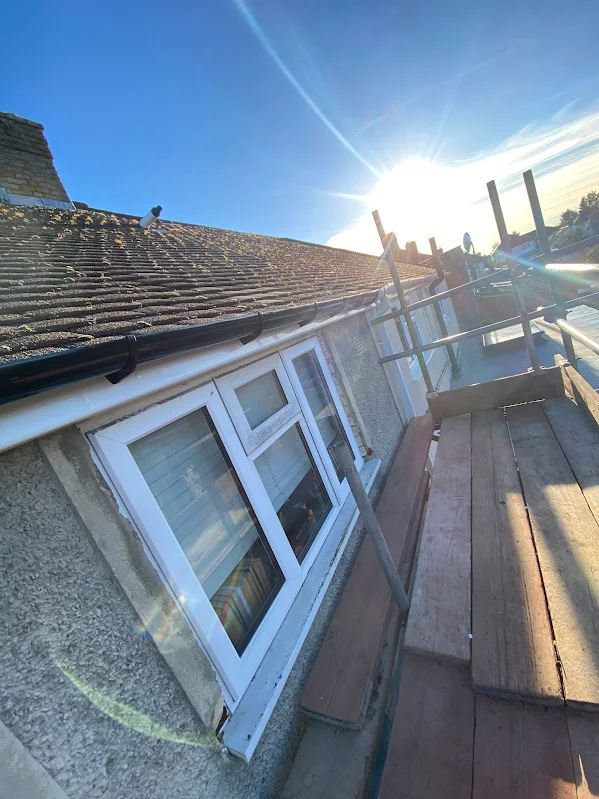
How Much Should a Roofer Be Paid in Today’s Market?
Roofer compensation varies considerably based on experience, location, and specialisation within the trade. Entry-level roofers typically earn between £18,000 and £25,000 annually, whilst experienced professionals can command salaries ranging from £30,000 to £45,000 per year.
Self-employed roofers often achieve higher earnings through direct client relationships and specialised services. Daily rates for skilled roofers range from £150 to £300, depending on the complexity of work and regional demand factors that influence local pricing structures.
| Experience Level | Annual Salary Range | Daily Rate Range |
|---|---|---|
| Apprentice/Trainee | £16,000 – £20,000 | £80 – £120 |
| Qualified Roofer | £25,000 – £35,000 | £150 – £220 |
| Senior/Specialist | £35,000 – £50,000 | £250 – £350 |
| Master Craftsman | £45,000+ | £300+ |
What Does a Roofer Do in the UK Construction Industry?
Within the UK construction landscape, roofers operate under strict regulatory frameworks designed to ensure quality and safety standards. They must comply with Building Regulations Part L for energy efficiency and Part C for site preparation and resistance to contaminants and moisture.
Professional roofers collaborate closely with other construction trades, coordinating their work with plumbers, electricians, and structural engineers to deliver integrated building solutions. This collaborative approach ensures that roofing installations complement overall construction objectives whilst maintaining compliance with UK Building Regulations.
The role extends beyond installation to encompass warranty provision and customer education. Experienced roofers guide property owners through maintenance requirements, helping them understand seasonal care routines that preserve their investment and prevent premature deterioration.
Quality assurance forms another crucial component of professional roofing work in the UK. Roofers must maintain detailed records of materials used, installation procedures followed, and compliance certificates obtained, ensuring full traceability for insurance and regulatory purposes.
Is Being a Roofer a Physically Demanding Career Choice?
Roofing undeniably ranks among the most physically challenging careers in the construction industry. The work demands exceptional balance, strength, and endurance as professionals navigate steep surfaces whilst carrying heavy materials and operating specialised equipment.
Weather exposure represents a significant occupational challenge, with roofers working in various conditions from scorching summer heat to freezing winter temperatures. This exposure requires robust physical conditioning and appropriate protective equipment to maintain both safety and productivity throughout different seasons.
| Physical Demand | Challenge Level | Mitigation Strategies |
|---|---|---|
| Height Work | Very High | Safety harnesses, scaffolding systems |
| Heavy Lifting | High | Team lifting, mechanical aids |
| Weather Exposure | High | Protective clothing, flexible scheduling |
| Balance Requirements | Very High | Proper footwear, safety training |
| Repetitive Motions | Moderate | Ergonomic tools, rotation of tasks |
However, modern safety equipment and training programmes have significantly reduced historical risks associated with roofing work. Professional roofers now benefit from advanced fall arrest systems, ergonomic tools, and comprehensive health and safety protocols that protect their wellbeing whilst maintaining high productivity standards.
The physical demands, whilst significant, contribute to excellent fitness levels and job satisfaction among those who embrace the active nature of the profession. Many roofers appreciate the variety and outdoor environment that their work provides compared to sedentary office-based careers.
Understanding the Complete Role of a Roofer in Modern Construction
The contemporary roofer’s role encompasses far more than traditional perceptions might suggest, blending artisanal skills with modern technology and business acumen. Today’s professionals must understand building science principles, energy efficiency requirements, and sustainable construction practices that align with the UK’s environmental objectives.
Professional development remains crucial throughout a roofer’s career, with ongoing training required to keep pace with evolving materials, techniques, and regulatory changes. The Construction Industry Training Board provides structured pathways for skill development and certification that ensure industry standards remain consistently high.
Customer service skills have become increasingly important as roofers often serve as the primary point of contact between construction companies and property owners. Clear communication about project timelines, potential complications, and maintenance requirements helps build trust and ensures successful project outcomes that satisfy all stakeholders involved.
The roofing profession offers numerous pathways for career advancement, from specialising in heritage restoration work to developing expertise in renewable energy installations such as solar panel integration. These specialisations command premium rates whilst contributing to the UK’s broader sustainability goals:
Need Help with Flat Roofing Matters? Talk to one of our Flat Roofing Experts today!
What is the Role of a Roofer: Frequently Asked Questions
What qualifications do I need to become a roofer in the UK?
Most roofers begin through apprenticeship programmes or vocational qualifications such as NVQ Level 2 in Roofing Occupations. Additionally, CSCS (Construction Skills Certification Scheme) cards are typically required for site access and demonstrate competency in health and safety practices.
How long does it take to train as a professional roofer?
Apprenticeship programmes typically last 2-3 years, combining practical on-site experience with classroom learning. However, developing expertise in specialised areas such as slate work or thatching may require additional years of focused training and practice.
What insurance do roofers need to operate legally?
Professional roofers require public liability insurance (typically £2-6 million coverage) and employers’ liability insurance if they have staff. Many also carry professional indemnity insurance to protect against claims related to design or specification errors.
Do roofers work year-round in the UK?
Weather conditions can affect roofing work, but professional roofers typically work throughout the year with seasonal variations in activity levels. Winter months may focus more on repair work and interior preparation, whilst spring and summer see increased new installation activity.
What safety equipment do roofers use?
Modern roofers utilise comprehensive safety systems including full-body harnesses, safety ropes, hard hats, non-slip footwear, and scaffolding systems. All equipment must comply with current health and safety regulations and undergo regular inspection for effectiveness.
Can roofers install solar panels and renewable energy systems?
Many roofers have expanded their services to include renewable energy installations, though this typically requires additional certification and training. Solar panel installation represents a growing segment of the roofing industry as properties seek to improve energy efficiency.
What’s the difference between a roofer and a roofing contractor?
A roofer typically refers to the individual tradesperson performing the physical work, whilst a roofing contractor usually operates a business that employs multiple roofers and manages complete projects from planning through completion, according to Wikipedia’s definition of roofing.
How do I choose a reliable roofer for my property?
Look for roofers with appropriate certifications, insurance coverage, and positive customer reviews. Professional roofers should provide detailed written quotes, comply with building regulations, and offer warranties on their workmanship and materials used.
What materials do modern roofers work with?
Contemporary roofers work with diverse materials including traditional clay tiles, concrete tiles, slate, metal roofing systems, EPDM rubber, and various membrane systems. Material selection depends on building requirements, aesthetic preferences, and environmental considerations.
Are there different types of roofing specialists?
Yes, the roofing industry includes various specialists such as slate specialists, thatchers, flat roof experts, heritage restoration specialists, and renewable energy installers. Each specialisation requires specific skills and often additional certification or training.
What regulations do UK roofers must follow?
Roofers must comply with Building Regulations, particularly Parts C, F, and L covering site preparation, ventilation, and energy efficiency. They must also follow Construction (Design and Management) Regulations and maintain awareness of current planning permission requirements.
Do roofers provide warranties on their work?
Professional roofers typically offer warranties covering both workmanship and materials, usually ranging from 5-25 years depending on the type of work performed. These warranties provide essential protection for property owners and demonstrate confidence in work quality.
What happens during a professional roof inspection?
Professional roof inspections involve comprehensive examination of all roofing components including tiles, guttering, flashings, ventilation systems, and structural elements. Roofers document findings with photographs and provide detailed reports outlining any necessary repairs or maintenance requirements.
How has technology changed the roofing profession?
Modern technology has revolutionised roofing through drone inspections, thermal imaging for leak detection, GPS measurement systems, and advanced weather forecasting tools. These technologies improve accuracy, safety, and efficiency whilst enabling more precise project planning and execution.