+44 7853 968135
What is the most attractive roof pitch?

A roof pitch does far more than keep the rain out. It defines the character of a property, influences planning decisions, and shapes how a building sits within its surrounding streetscape. For homeowners planning a new build, extension, or full roof replacement, understanding which pitch angle strikes the ideal balance between visual appeal and structural performance is an essential first step. In the UK, where architectural heritage runs deep and the climate demands robust design, roof pitch selection carries genuine weight.
The most attractive roof pitch for a UK home typically falls between 35 and 42 degrees. This range achieves what architects describe as visual equilibrium: a roofline that reads as neither too commanding nor too flat, proportioned naturally against the walls and windows beneath it. Beyond aesthetics, pitches within this band perform exceptionally well against British weather, shedding rainwater efficiently and handling the occasional snow loading that affects northern and upland regions.
What is the Most Pleasing Roof Pitch?
The concept of visual pleasingness in roof design is not simply a matter of personal taste. Architectural psychology research consistently points to the 35 to 40-degree range as the zone where rooflines appear most harmonious, partly because this angle echoes natural forms and reflects centuries of evolved building tradition across Britain and northern Europe. When a roof sits within this band, it occupies the right proportion of a building’s overall elevation, giving the façade a sense of completeness without the roof dominating the structure below it.
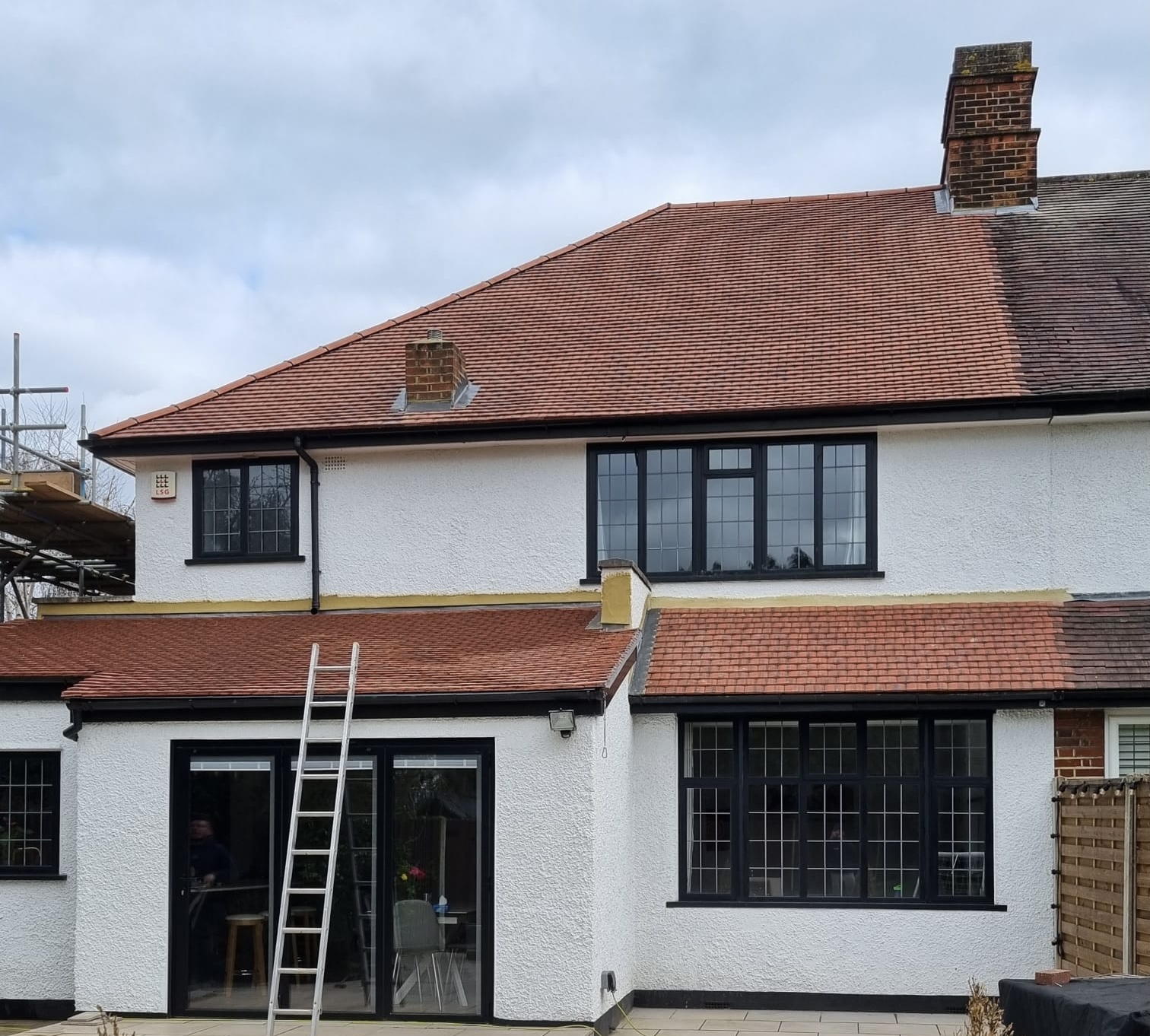
For a standard two-storey home, a pitch of around 38 degrees tends to work particularly well. It provides a generous attic void that can be utilised for insulation or even conversion, whilst maintaining a roofline that feels elegant and restrained. The slope is steep enough to shed surface water rapidly, reducing the risk of moss, algae, and moisture ingress at laps and junctions. At the same time, it avoids the slightly oppressive quality that very steep pitches can introduce, particularly on lower or narrower properties where a high apex can throw proportions off balance.
Regional building traditions across the UK have long gravitated towards this range instinctively. The terraced streets of Yorkshire mill towns, the stone cottages of the Cotswolds, and the Victorian suburbs of the Home Counties all demonstrate pitches broadly in this territory. This consistency is no accident. Builders working with locally available materials over generations discovered empirically which angles performed well, looked right, and aged gracefully. Contemporary architects continue to draw on these precedents, particularly in conservation areas and planning-sensitive locations where contextual sensitivity is a material consideration.
Need some Support with your Pitched Roofing? Speak with a member of our Professional Pitched Roofing Team here
What is the Golden Rule for Roof Pitch?
The golden rule for roof pitch centres on achieving harmony between form and function whilst respecting local architectural traditions and building regulations. Professional architects often apply the principle that roof pitch should complement the building’s proportions, with steeper pitches suited to taller, narrower buildings and gentler slopes better suited to wider, lower structures. This fundamental rule ensures that the roof enhances rather than detracts from the overall architectural composition.
The golden rule also emphasises matching pitch to purpose and climate. In the UK, where rainfall is frequent and snow loads can be significant in certain regions, the optimal pitch typically ranges from 30 to 50 degrees depending on roofing materials and local conditions. This range ensures effective water drainage whilst providing sufficient structural strength, following the principle that attractive design must always serve practical needs effectively.
What is the Preferred Roof Pitch?
The preferred roof pitch among UK homeowners and architects typically settles around 35-42 degrees, representing an optimal balance between aesthetic appeal, practical performance, and cost-effectiveness. This preference has developed through centuries of building experience and reflects both climate considerations and cultural aesthetic values. Survey data from architectural firms consistently shows that pitches within this range receive the highest approval ratings from both professionals and homeowners.
Preferred pitch angles also vary significantly based on architectural style and regional traditions. Georgian and Victorian properties often feature steeper pitches between 45-50 degrees, whilst contemporary designs frequently favour gentler slopes between 30-35 degrees. The preferred pitch ultimately depends on achieving visual harmony with the existing architectural context whilst meeting modern performance standards for energy efficiency and weather resistance.
What is the Best Roof Pitch in the UK?
UK Roof Pitch Performance Comparison
| Pitch Angle | Water Drainage | Snow Load Capacity | Energy Efficiency | Aesthetic Appeal | Material Suitability |
|---|---|---|---|---|---|
| 25-30° | Good | Moderate | Excellent | Good | Limited |
| 30-35° | Very Good | Good | Very Good | Very Good | Good |
| 35-40° | Excellent | Very Good | Good | Excellent | Excellent |
| 40-45° | Excellent | Excellent | Good | Very Good | Excellent |
| 45-50° | Excellent | Excellent | Moderate | Good | Good |
The best roof pitch in the UK typically ranges from 35 to 42 degrees, offering optimal performance across multiple criteria including weather protection, energy efficiency, and visual appeal. This range has proven most effective for UK climate conditions, providing excellent rainwater runoff whilst maintaining structural integrity during winter weather. Building regulations and planning authorities generally favour pitches within this range as they balance aesthetic considerations with practical building performance requirements.
Regional variations across the UK do influence the ideal pitch selection, with areas experiencing higher snowfall potentially benefiting from steeper pitches around 40-45 degrees. The UK Government’s planning portal provides detailed guidance on roof design requirements, emphasising that the best pitch must comply with local planning policies whilst meeting building regulation standards for structural safety and thermal performance.
Regional UK Roof Pitch Preferences
| Region | Preferred Pitch Range | Primary Considerations | Traditional Style Influence |
|---|---|---|---|
| London/Southeast | 32-38° | Planning restrictions, heritage constraints | Georgian/Victorian |
| Southwest | 35-42° | Wind resistance, coastal weather | Traditional cottage |
| Northern England | 38-45° | Snow loads, thermal efficiency | Industrial heritage |
| Scotland | 40-50° | Severe weather, snow loading | Highland traditional |
| Wales | 35-40° | Rain drainage, mountain climate | Welsh cottage style |
Climate considerations make 38-40 degrees particularly effective for most UK locations, providing excellent performance in typical British weather patterns whilst supporting a wide range of roofing materials. This pitch range accommodates everything from traditional slate and clay tiles to modern metal roofing systems, offering flexibility in material selection whilst maintaining attractive proportions.
Understanding Attractive Roof Pitch Selection
Selecting the most attractive roof pitch requires careful consideration of multiple interconnected factors that influence both visual appeal and long-term performance. The relationship between pitch angle and architectural style cannot be overstated, as different building types require different approaches to achieve optimal aesthetic results. Traditional British architecture has evolved specific pitch ranges that work harmoniously with local materials and construction methods, creating time-tested combinations that continue to influence contemporary design preferences.
Modern architectural trends have introduced greater flexibility in pitch selection, allowing designers to experiment with varied angles whilst maintaining structural integrity and weather performance. However, the most successful contemporary designs still respect fundamental principles of proportion and climate responsiveness that have guided British building traditions for centuries. The Building Regulations Approved Document A provides essential structural requirements that must inform any pitch selection, ensuring that aesthetic choices don’t compromise safety or performance standards.
Professional architects consistently emphasise that attractive roof pitch results from understanding the building’s context, purpose, and environmental conditions rather than simply following aesthetic preferences. The most attractive pitch will always be one that serves the building’s functional requirements whilst creating visual harmony with its surroundings. This holistic approach to pitch selection ensures that aesthetic appeal enhances rather than conflicts with practical building performance, creating roofs that remain attractive and functional throughout their service life.
Key considerations for achieving the most attractive roof pitch include:
Need Help with Pitched Roofs? Talk to one of our Professional Pitched RoofsExperts today!
How Much Does It Cost to Pitch a Roof: Frequently Asked Questions
How does roof pitch affect property value and kerb appeal?
Roof pitch significantly influences property value through its impact on visual proportions and architectural harmony, with well-proportioned pitches typically adding 3-5% to property values. Properties with pitches between 35-40 degrees consistently receive higher valuations due to their broad aesthetic appeal and optimal performance characteristics.
What roof pitch works best with different roofing materials in the UK?
Clay tiles perform optimally at 35-45 degrees, slate requires minimum 25 degrees but looks best at 30-40 degrees, whilst metal roofing can accommodate gentler pitches from 15-30 degrees effectively. Material selection should align with desired pitch to ensure both performance and visual appeal.
Can I change my existing roof pitch, and what are the planning implications?
Roof pitch alterations typically require planning permission and building regulations approval, particularly if the change affects the building’s height or appearance significantly. Major pitch changes often involve structural modifications that require professional architectural and engineering input to ensure compliance and safety.
How does roof pitch impact loft conversion potential?
Roof pitches above 35 degrees generally provide sufficient headroom for loft conversions, with 40-45 degree pitches offering optimal space utilisation for habitable rooms. Steeper pitches create more usable floor area but may require additional structural considerations for conversion projects.
What maintenance considerations apply to different roof pitches?
Steeper pitches (above 40 degrees) shed debris more effectively and require less frequent cleaning but present greater safety challenges for maintenance access. Gentler pitches may accumulate more debris but offer easier access for routine maintenance and inspection work.
How do local planning authorities view different roof pitch proposals?
Planning authorities generally favour pitches that complement existing neighbourhood character, typically supporting proposals within 30-45 degrees for residential properties. Conservation areas and listed building contexts may require specific pitch ranges that match historical precedents and architectural significance.
What role does roof pitch play in energy efficiency and thermal performance?
Steeper pitches can improve natural ventilation and solar gain optimisation but may increase heat loss through greater surface area exposure. Optimal energy efficiency typically occurs with pitches between 30-40 degrees when combined with appropriate insulation and ventilation strategies.
How does roof pitch interact with solar panel installation and renewable energy systems?
Solar panels achieve optimal performance on south-facing roofs with pitches between 30-40 degrees, matching the sun’s angle for maximum energy generation throughout the year. The Energy Saving Trust provides detailed guidance on optimising roof pitch for renewable energy installations.
What structural considerations limit roof pitch options for existing buildings?
Existing wall heights, foundation capacity, and structural framework constraints often determine feasible pitch ranges for renovation projects. Increasing pitch typically requires additional structural support and may impact neighbouring properties through increased height or overshadowing.
How do weather patterns across different UK regions influence optimal roof pitch selection?
Northern regions with higher snowfall benefit from steeper pitches (40-50 degrees) for effective snow shedding, whilst coastal areas may require specific pitch ranges to resist wind uplift forces. Regional weather data should inform pitch selection to ensure long-term performance and durability.
What relationship exists between roof pitch and guttering requirements?
Steeper pitches generate faster water flow requiring larger guttering capacity and more frequent downpipes to manage runoff effectively. Pitch angle directly influences gutter sizing calculations and drainage system design requirements for building regulation compliance.
How do architectural styles traditionally associated with the UK influence roof pitch preferences?
Georgian architecture typically features 45-50 degree pitches, Victorian designs range from 40-50 degrees, whilst Arts and Crafts styles often employ 35-45 degrees for aesthetic effect. Understanding historical precedents helps ensure pitch selection complements architectural heritage and planning expectations.
What impact does roof pitch have on internal ceiling heights and room proportions?
Steeper pitches create higher apex points allowing for increased ceiling heights in upper floors and improved loft space utilisation. However, very steep pitches may reduce usable floor area in upper rooms due to sloping ceiling constraints that affect furniture placement and room functionality.
How can I determine the most attractive roof pitch for my specific property and location?
Professional architectural consultation combined with local planning guidance provides the most reliable approach to pitch selection, considering building proportions, neighbourhood character, and regulatory requirements. The Royal Institute of British Architects maintains directories of qualified professionals who can provide expert guidance tailored to specific project requirements.