

+44 7853 968135
Is removing a chimney a good idea?

For many UK homeowners, the chimney is one of those features that simply exists as part of the house without ever being questioned. Yet as heating habits have shifted and living spaces have come under greater pressure, more people are asking whether their chimney is an asset or an obstacle. The answer, as with most things in property, is that it depends.
The effect on resale value is the first concern most homeowners raise, and rightfully so. In contemporary urban homes or post-war semis where buyers prioritise practicality and space, a removed chimney can actually work in a property’s favour. Gaining an extra metre or two of floor area per floor is a tangible improvement, and modern buyers are generally less attached to open fireplaces than previous generations were. Estate agents in cities such as Birmingham, Leeds, and Manchester often note that reconfigured rooms with improved layouts appeal more strongly to first-time buyers and young families than period features they have no intention of using.
The picture shifts considerably in older or more architecturally distinctive properties. Victorian terraces, Edwardian semis, and cottages in rural or conservation settings derive much of their character from original features, and the chimney is often central to that identity. Removing it in these contexts can narrow your pool of potential buyers, particularly those who are specifically searching for period charm or who want the option of installing a wood-burning stove. Before making any decisions, it is worth speaking with a local estate agent who understands your specific market.
Does Removing a Chimney Devalue Your House?
The reasons for chimney removal are almost always practical. Gas central heating became the standard in British homes from the 1970s onwards, and electric heat pumps and underfloor heating systems are now increasingly common in newer builds and retrofits. As a result, the vast majority of chimneys in the UK are redundant from a heating perspective, yet they continue to occupy floor space, require maintenance, and introduce potential problems if left unmanaged.
An unused chimney that has not been properly capped or sealed is a liability. Rainwater infiltration is one of the most common issues, particularly where flashing has deteriorated or pointing has failed. Damp patches on chimney breasts, efflorescence on brickwork, and musty smells in upstairs rooms are frequently traced back to a neglected stack. Birds and squirrels are also known to nest inside open flues, creating blockages and occasionally finding their way into the house itself.
Beyond structural concerns, there is the simple matter of space. In a typical Victorian terrace, the chimney breast can project between 300 and 500 millimetres into a room, and where it runs through the first floor and into the loft, it reduces usable area on multiple levels simultaneously. Removing it can meaningfully transform smaller rooms, make bathrooms feel less cramped, and open up loft conversions that would otherwise be awkward to configure.
Need some Support with your chimney removal? Speak with a member of our Professional Chimney Removal Team here
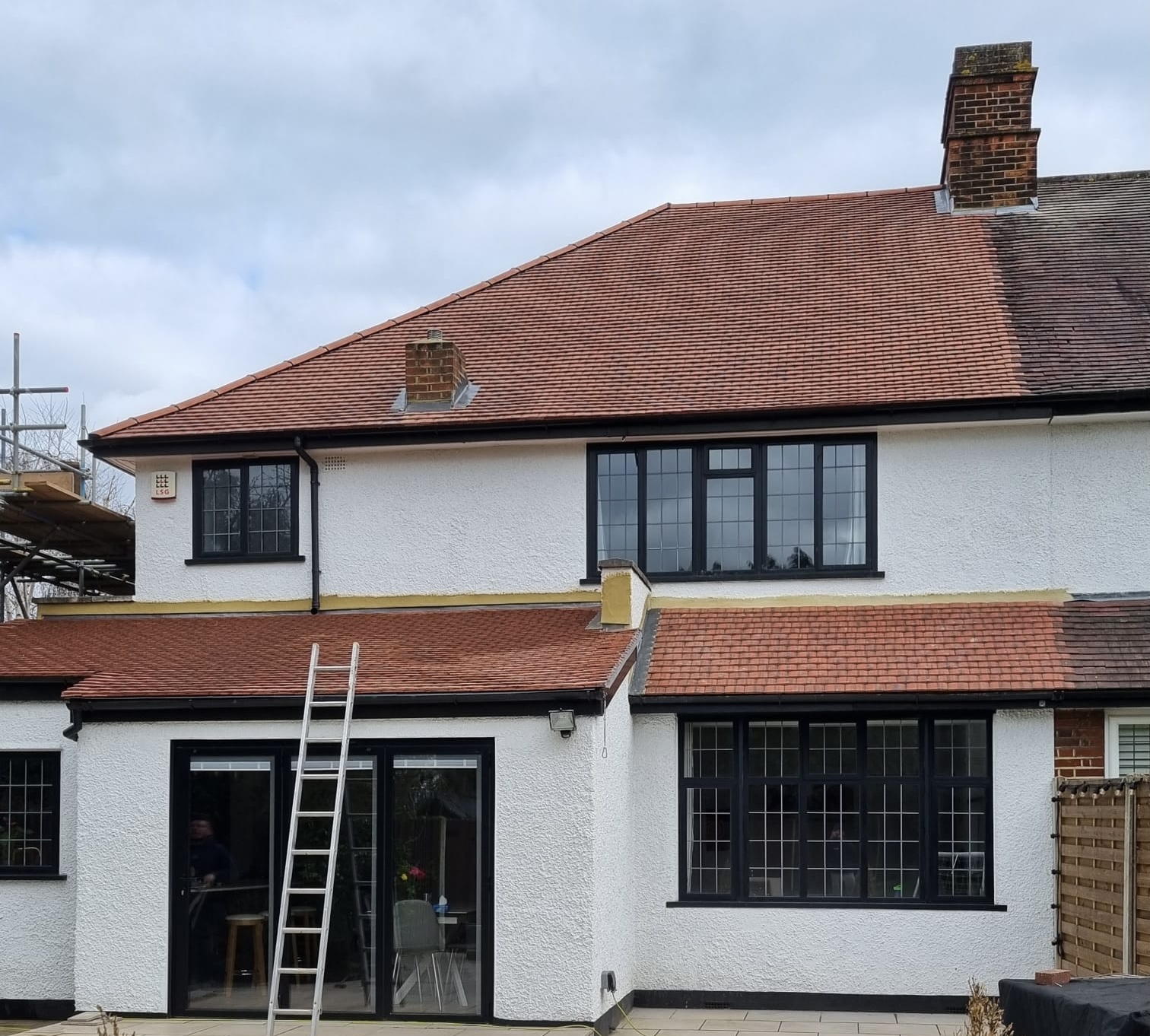
Why Consider Getting Rid of Your Chimney?
Modern heating systems have largely replaced the need for open fires in most UK homes. Gas central heating, electric heating, and renewable energy systems provide more efficient and controllable warmth without the maintenance demands of traditional chimneys.
Unused chimneys can become sources of problems including dampness, pest intrusion, and heat loss. The space occupied by chimney breasts, particularly in smaller properties, could be better utilised for storage, bathroom extensions, or simply to create more open living areas that suit contemporary lifestyles.
Understanding Chimney Load-Bearing Properties
The structural role of chimneys varies considerably depending on the age and construction method of your property. In many Victorian and Edwardian homes, chimney stacks and breasts form integral parts of the structural system, providing stability to walls and supporting upper floors.
Modern properties built after the 1960s typically feature chimneys that are not load-bearing, making removal more straightforward. However, even non-load-bearing chimneys require careful assessment to ensure removal doesn’t compromise wall stability or create structural weaknesses that could develop over time.
| Chimney Type | Load-Bearing Status | Removal Complexity |
|---|---|---|
| Victorian/Edwardian Internal | Often load-bearing | High complexity |
| Modern External | Usually non-load-bearing | Medium complexity |
| 1960s+ Internal | Typically non-load-bearing | Low-Medium complexity |
| Decorative External | Non-load-bearing | Low complexity |
Assessing Whether Chimney Removal Is a Major Undertaking
The complexity of chimney removal depends heavily on whether you’re removing the entire structure or just internal portions. Full removal including the external stack requires scaffolding, roof repairs, and significant structural work, making it a substantial project requiring multiple trades.
Partial removal, focusing only on internal chimney breasts, represents a more manageable approach for many homeowners. This option eliminates internal space constraints whilst maintaining the external appearance, though it still requires structural assessment and building control approval to ensure safety standards are met.
| Removal Type | Duration | Cost Range (£) | Trades Required |
|---|---|---|---|
| Full Stack Removal | 5-10 days | £3,000-£8,000 | Structural engineer, roofer, builder |
| Breast Removal Only | 2-5 days | £1,500-£4,000 | Structural engineer, builder |
| Decorative Removal | 1-3 days | £500-£2,000 | Builder |
| Opening Blocking | 1-2 days | £200-£800 | Builder |
Why Removing Your Chimney Can Be an Excellent Decision
Chimney removal offers significant advantages for many UK homeowners, particularly those prioritising space efficiency and modern living requirements. The additional floor area gained, especially in smaller properties, can transform room functionality and improve daily life quality substantially.
Beyond space considerations, removing unused chimneys eliminates ongoing maintenance costs including annual sweeping, structural repairs, and weatherproofing. These savings accumulate significantly over time, often justifying the initial removal investment within several years.
Need Help with Chimney Removal? Talk to one of our Professional Chimney Removal Experts today!
Is Removing a Chimney a Good Idea?: Frequently Asked Questions
What planning permission is required for chimney removal in the UK?
Full external chimney removal typically requires planning permission, particularly in conservation areas or listed buildings. Internal breast removal usually falls under permitted development rights, though building regulations approval remains mandatory for structural safety compliance.
How much does professional chimney removal cost across different UK regions?
Costs vary from £1,500-£4,000 for breast removal and £3,000-£8,000 for full removal, with London and South East prices typically 20-30% higher. Regional variations reflect local labour costs and material transportation expenses across different UK areas.
Can I remove a chimney myself as a DIY project?
Chimney removal requires structural engineering assessment and building control approval, making professional involvement essential. DIY attempts risk structural damage, building regulation violations, and insurance policy invalidation, making professional installation strongly recommended.
What happens to the roof space after chimney stack removal?
Professional removal includes comprehensive roof repair using matching materials and proper weatherproofing. The roof structure requires reinforcement where the stack previously provided support, ensuring long-term weather resistance and structural integrity.
Do removed chimneys affect home insurance policies?
Insurance companies typically require notification of structural modifications including chimney removal. Most insurers accept professionally completed removals with proper certification, though premiums may adjust based on the specific changes made to the property.
How long does the complete chimney removal process take?
Full removal projects typically require 5-10 working days including scaffolding, structural work, and roof repairs. Internal breast removal alone usually takes 2-5 days, depending on the number of floors involved and accessibility constraints.
What building regulations apply to UK chimney removal projects?
Building control approval is mandatory for load-bearing chimney removal, ensuring structural calculations and safety standards compliance. Non-load-bearing removals may still require notification, with specific requirements varying between different local authority areas across the UK.
Are there alternatives to complete chimney removal for unused fireplaces?
Options include blocking openings, installing wood-burning stoves, or converting to decorative features. These alternatives maintain structural integrity whilst addressing space and maintenance concerns, often representing more cost-effective solutions than full removal.
What structural surveys are necessary before chimney removal begins?
Professional structural engineering assessment determines load-bearing status and removal methodology requirements. This survey identifies potential complications, calculates necessary structural support, and ensures compliance with current UK building standards throughout the process.
How does chimney removal impact property resale value long-term?
Impact varies significantly by property type and location, with modern homes often benefiting from increased space utility. Period properties may experience mixed effects, as some buyers specifically seek traditional features whilst others prioritise contemporary living arrangements.
What are the main risks associated with improper chimney removal?
Structural instability, roof leaks, and wall cracks represent primary risks of unprofessional removal attempts. These issues can cost thousands to rectify and may compromise building insurance, making professional assessment and execution essential for safe completion.
Can chimneys be partially removed whilst maintaining external appearance?
Internal breast removal whilst retaining external stacks offers compromise solutions for conservation concerns. This approach provides internal space benefits without altering street-facing architectural character, though it requires careful structural consideration and weatherproofing of remaining elements.
What specific permissions are needed for chimney work in conservation areas?
Conservation area consent is typically required for external chimney modifications, with local planning authorities assessing impact on area character. These applications require detailed justification and often architectural heritage consideration before approval, as outlined in UK planning portal guidance.
How do I find qualified professionals for UK chimney removal projects?
Structural engineers registered with the Institution of Structural Engineers and builders certified through recognised trade bodies ensure professional standards. Local building control departments often provide approved contractor lists, whilst online directories allow verification of qualifications and insurance coverage before project commencement.