

+44 7853 968135
How often should you reseal a flat roof?

Flat roofs require regular maintenance to remain watertight and structurally sound, with resealing being one of the most critical aspects of their upkeep. Understanding the optimal resealing frequency can save UK homeowners thousands of pounds in water damage repairs whilst extending their roof’s lifespan significantly.
The frequency of flat roof resealing depends on several factors including the roofing material, local weather conditions, and the quality of the previous installation. Most roofing professionals recommend resealing flat roofs every 3-5 years, though this timeline can vary based on specific circumstances and environmental factors.
How Often Should a Flat Roof Be Resealed?
Professional roofers typically advise homeowners to reseal their flat roofs every three to five years under normal conditions. This timeframe ensures optimal protection against water ingress whilst maintaining cost-effectiveness for property owners.
However, certain factors can accelerate the need for resealing, particularly in the UK’s challenging climate. Properties exposed to severe weather conditions, including heavy rainfall, snow, and temperature fluctuations, may require more frequent attention. Buildings near coastal areas or industrial zones face additional challenges from salt spray and pollution, which can degrade sealant materials more rapidly.
How Much Does It Cost to Reseal a Flat Roof?
The cost of resealing a flat roof in the UK varies considerably depending on the roof size, chosen materials, and regional labour rates. For a typical residential flat roof measuring 20-30 square metres, homeowners can expect to pay between £800-£2,500 for professional resealing services.
Premium sealant materials and additional preparatory work can increase costs, but these investments often prove worthwhile through enhanced durability and extended intervals between treatments. Labour costs typically account for 60-70% of the total expense, with materials comprising the remainder, making DIY approaches tempting though potentially risky for inexperienced homeowners.
| Roof Size (m²) | Basic Resealing Cost | Premium Materials Cost |
|---|---|---|
| 10-20 | £400-£800 | £600-£1,200 |
| 20-30 | £800-£1,500 | £1,200-£2,500 |
| 30-50 | £1,500-£2,500 | £2,500-£4,000 |
| 50+ | £2,500+ | £4,000+ |
Need some Support with Flat Roofing? Speak with a member of our Professional Flat Roofing Team here
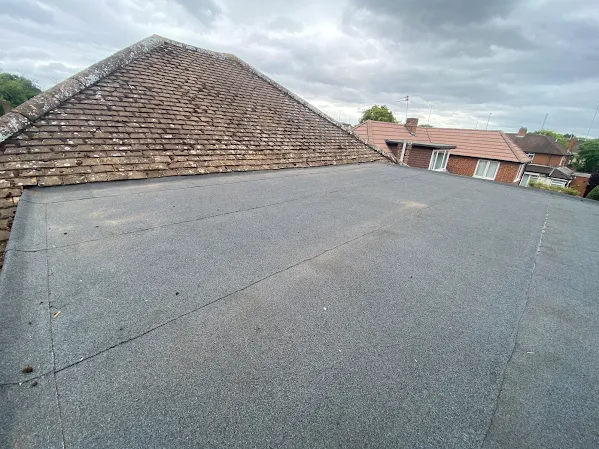
How Often Does a Flat Roof Need Maintenance?
Comprehensive flat roof maintenance extends beyond resealing to include regular inspections, debris removal, and minor repairs. Property owners should conduct visual inspections at least twice yearly, ideally during spring and autumn, to identify potential issues before they escalate into costly problems.
Professional maintenance visits should occur annually, allowing qualified roofers to assess the roof’s condition thoroughly and recommend appropriate interventions. During these inspections, professionals examine drainage systems, check for ponding water, assess membrane integrity, and evaluate the effectiveness of existing sealants and protective coatings.
The UK government’s building regulations emphasise the importance of regular roof maintenance for both safety and energy efficiency. The Building Regulations guidance on roofing provides detailed requirements for maintaining commercial and residential flat roofs to acceptable standards.
How Many Times Can You Coat a Flat Roof?
Modern flat roofs can typically accommodate multiple coating applications throughout their lifespan, with most systems supporting 3-5 recoating cycles before requiring complete membrane replacement. The exact number depends on the substrate condition, coating compatibility, and proper surface preparation between applications.
Each successive coating application adds thickness to the roof system, potentially affecting drainage patterns and overall performance. Professional assessment becomes increasingly important with each recoating to ensure the cumulative thickness doesn’t compromise the roof’s structural integrity or create new maintenance challenges that could necessitate earlier intervention.
| Coating Type | Maximum Applications | Expected Lifespan per Coat |
|---|---|---|
| Acrylic | 4-5 times | 3-5 years |
| Polyurethane | 3-4 times | 5-7 years |
| Silicone | 2-3 times | 7-10 years |
| Modified Bitumen | 4-6 times | 4-6 years |
For comprehensive guidance on flat roof standards and regulations, the UK government’s approved building standards provide detailed technical specifications that property owners and contractors must follow.
Maintaining Your Flat Roof Resealing Schedule
Establishing a systematic approach to flat roof resealing ensures optimal protection whilst managing long-term costs effectively. Property owners who adhere to recommended maintenance schedules typically experience fewer emergency repairs and enjoy extended roof lifespans compared to those who adopt reactive approaches.
Professional roofers recommend keeping detailed maintenance records, including dates of inspections, repairs, and resealing applications. These records prove invaluable for warranty claims, insurance purposes, and future maintenance planning, whilst helping identify patterns that might indicate underlying structural issues requiring attention.
Creating a proactive maintenance schedule involves coordinating seasonal inspections with local weather patterns and budget planning. The most effective approach combines regular DIY monitoring with professional assessments, ensuring minor issues receive prompt attention before developing into major problems that could compromise the entire roofing system.
Key Points Summary:
Need Help with Flat Roofing Matters? Talk to one of our Flat Roofing Experts today!
How Often Should You Reseal a Flat Roof: Frequently Asked Questions
How can I tell when my flat roof needs resealing?
Look for visible signs including cracking or peeling sealant, water stains on interior ceilings, ponding water that doesn’t drain within 48 hours, and exposed membrane areas. Professional inspection can identify subtle deterioration before it becomes visible to untrained eyes.
What happens if I delay flat roof resealing too long?
Delayed resealing can lead to water penetration, structural damage, mould growth, and significantly higher repair costs than preventive maintenance. Water damage often spreads beyond the immediate roof area, affecting insulation, interior finishes, and potentially compromising structural integrity.
Can I reseal my flat roof myself or should I hire professionals?
While DIY resealing is possible, professional application ensures proper surface preparation, material selection, and warranty coverage that protects your investment. Incorrect application techniques or unsuitable materials can actually reduce your roof’s lifespan rather than extending it.
Which sealant materials work best for UK weather conditions?
Polyurethane and modified bitumen sealants typically perform well in the UK’s variable climate, offering excellent flexibility and weather resistance. The choice depends on your existing roof membrane, local environmental conditions, and budget considerations for long-term performance.
How does roof age affect resealing frequency requirements?
Older roofs generally require more frequent resealing as substrate materials become less stable and environmental exposure takes its toll. Roofs over 15 years old may need annual assessment rather than the standard 3-5 year intervals recommended for newer installations.
What seasonal timing works best for flat roof resealing projects?
Late spring through early autumn provides optimal conditions for resealing, with dry weather and moderate temperatures ensuring proper curing. Avoid winter months when moisture and low temperatures can compromise sealant adhesion and performance characteristics.
How do drainage issues affect flat roof resealing schedules?
Poor drainage accelerates sealant deterioration through prolonged water exposure and thermal cycling, potentially requiring annual resealing rather than standard intervals. Address drainage problems before resealing to maximise the treatment’s effectiveness and longevity.
What warranty coverage should I expect from professional resealing services?
Professional resealing typically includes 2-5 year warranties covering material defects and workmanship issues, though coverage varies by contractor and materials used. Always clarify warranty terms before commencing work to understand your protection and maintenance obligations.
How do building regulations affect flat roof maintenance requirements?
UK building regulations mandate adequate weather protection and structural integrity, making regular maintenance a legal requirement for commercial properties and recommended practice for residential buildings. For detailed information about current standards, consult the comprehensive flat roof guidance on Wikipedia.
Can coating products extend the time between full resealing applications?
Annual coating applications can extend intervals between complete resealing by providing additional UV protection and minor crack sealing, though they cannot replace proper membrane maintenance indefinitely. Coatings work best as supplementary protection rather than primary waterproofing systems.
What environmental factors most impact flat roof sealant longevity?
UV exposure, temperature fluctuations, air pollution, and moisture levels significantly affect sealant performance, with coastal and urban environments typically requiring more frequent maintenance. Wind-driven debris and thermal expansion also contribute to accelerated degradation in exposed locations.
How should I budget for ongoing flat roof resealing costs?
Set aside £30-50 per square metre annually for maintenance reserves, including regular inspections, minor repairs, and periodic resealing to ensure adequate funding for proper roof care. This proactive approach typically costs less than reactive repairs following water damage incidents.
What preparation work is necessary before applying new roof sealant?
Thorough cleaning, crack repair, membrane assessment, and primer application ensure optimal sealant adhesion and performance, with preparation typically accounting for 40-60% of professional resealing time. Proper preparation determines long-term success more than sealant material selection.
How do different flat roof materials affect resealing frequency and methods?
EPDM rubber roofs typically need resealing every 5-7 years, while felt systems may require attention every 3-4 years, and modern single-ply membranes can extend 7-10 years between treatments. Material compatibility requirements also dictate which sealant products provide optimal adhesion and performance.