

+44 7853 968135
How much does it cost to repair a pitched roof?

Understanding the true cost of pitched roof repairs is crucial for UK homeowners facing roofing issues. The expense varies significantly depending on the extent of damage, materials required, and regional labour costs across the country.
Pitched roof repair costs in the UK typically range from £150 for minor fixes to £15,000 for extensive structural work. Most homeowners can expect to pay between £500 and £3,000 for standard repairs, though emergency callouts and complex structural issues will increase these figures substantially.
How Much Does It Cost to Replace Lead Flashing?
Lead flashing replacement represents one of the most common pitched roof repairs across the UK. Professional roofers charge between £100 and £300 per linear metre for complete lead flashing replacement, depending on the complexity of the installation and roof accessibility.
The total project cost typically ranges from £800 to £2,500 for most residential properties. Factors affecting pricing include the amount of flashing required, roof height, and whether scaffolding is necessary for safe access to the work area.
Need some Support with your Pitched Roofing? Speak with a member of our Professional Pitched Roofing Team here
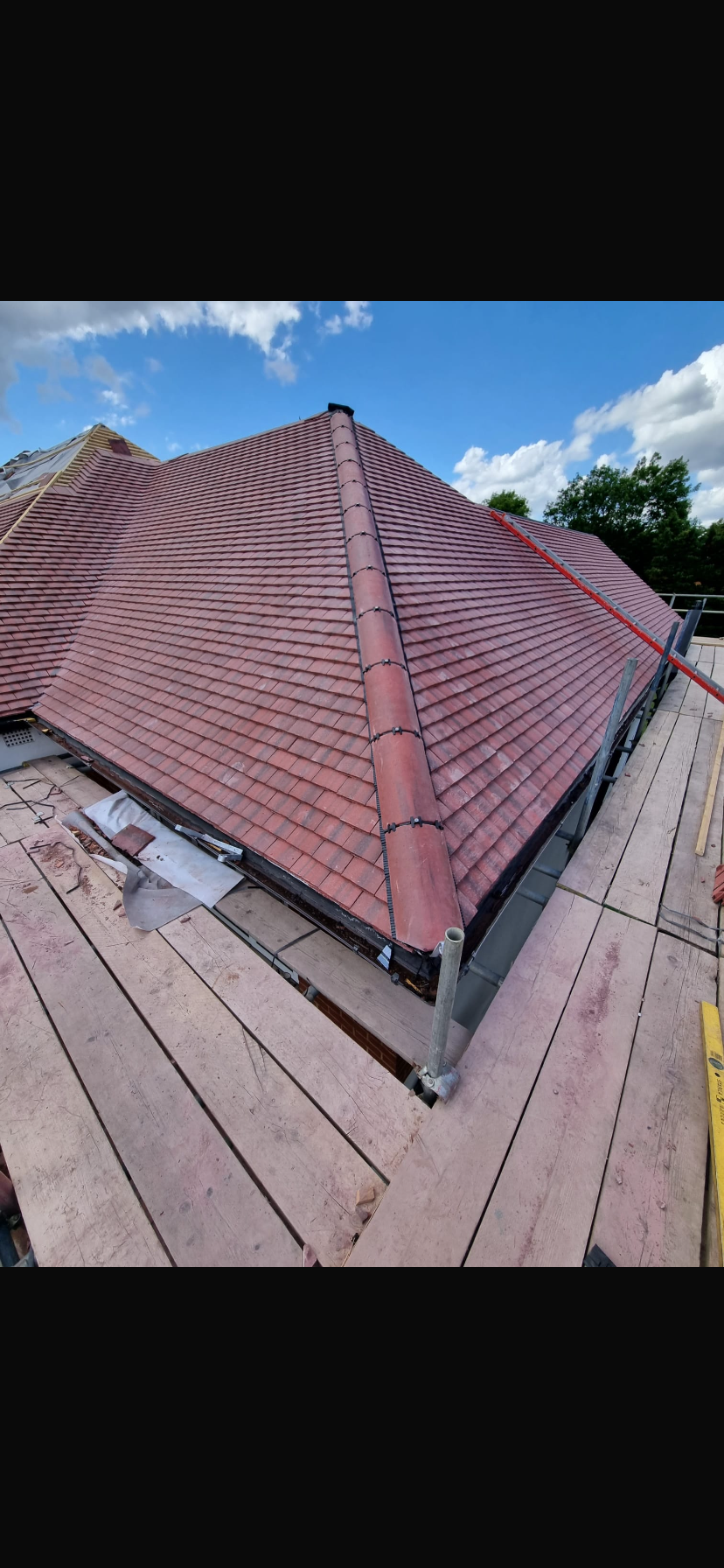
How Much Do Roof Repairs Cost in the UK?
Regional variations significantly impact roof repair pricing across the UK, with London and the South East commanding premium rates. Northern England and Wales typically offer more competitive pricing, though material costs remain relatively consistent nationwide.
Standard repair costs include tile replacement (£20-£40 per tile), ridge tile repairs (£150-£300), and minor leak fixes (£200-£600). Emergency repairs during weekends or holidays incur additional charges of 25-50% above standard rates, making preventative maintenance a cost-effective approach.
| Repair Type | Average Cost Range | Typical Duration |
|---|---|---|
| Single tile replacement | £20-£40 | 1-2 hours |
| Ridge tile repair | £150-£300 | Half day |
| Minor leak repair | £200-£600 | 1 day |
| Guttering replacement | £400-£800 | 1-2 days |
| Chimney stack pointing | £500-£1,200 | 2-3 days |
How Expensive Is It to Change the Pitch of a Roof?
Altering a roof’s pitch represents one of the most substantial roofing projects homeowners can undertake. Complete pitch modifications typically cost between £15,000 and £35,000, requiring structural engineering assessments and planning permission in many cases.
The complexity stems from the need to modify or replace the entire roof structure, including rafters, joists, and supporting framework. Additional costs include planning applications (£400-£600), structural engineer reports (£800-£1,500), and building regulations approval, which can add £2,000-£3,000 to the overall project expense.
How Much Does It Cost to Replace a Pitched Roof in the UK?
Complete pitched roof replacement costs vary dramatically based on property size, materials chosen, and structural complexity. A typical three-bedroom semi-detached house requires an investment of £8,000 to £18,000 for full roof replacement, including labour and materials.
Premium materials like natural slate or clay tiles increase costs substantially, with slate roofs costing £80-£120 per square metre compared to £40-£70 for standard concrete tiles. The UK government’s Building Regulations guidance ensures all replacement work meets current thermal efficiency and structural safety standards.
| Roof Size | Concrete Tiles | Clay Tiles | Natural Slate |
|---|---|---|---|
| Small terraced (40m²) | £3,200-£4,800 | £4,000-£6,000 | £5,600-£8,000 |
| Semi-detached (60m²) | £4,800-£7,200 | £6,000-£9,000 | £8,400-£12,000 |
| Detached (100m²) | £8,000-£12,000 | £10,000-£15,000 | £14,000-£20,000 |
Professional installation ensures compliance with UK construction standards, protecting both structural integrity and homeowner safety. These regulations mandate specific safety procedures and material specifications that impact overall project costs.
Understanding Your Pitched Roof Repair Investment
Pitched roof repairs represent a significant but necessary investment in your property’s long-term value and structural integrity. The costs outlined above reflect current UK market rates, though obtaining multiple quotes ensures competitive pricing for your specific requirements.
Budget planning should account for potential additional discoveries during repair work, as underlying structural issues often become apparent once work commences. Professional roofers typically recommend setting aside 10-20% contingency funds for unexpected complications that may arise during the repair process.
Quality workmanship and materials provide better long-term value than budget alternatives, reducing the likelihood of recurring issues and associated costs. Choosing established, properly insured contractors protects homeowners from potential liability whilst ensuring work meets current building standards and manufacturer warranties.
Key considerations for pitched roof repair planning:
Need Help with Pitched Roofs? Talk to one of our Professional Pitched RoofsExperts today!
How Much Does It Cost to Repair a Pitched Roof: Frequently Asked Questions
What factors most significantly affect pitched roof repair costs?
The primary cost drivers include damage extent, roof accessibility, materials required, regional labour rates, and whether emergency repairs are needed. Properties requiring scaffolding or crane access incur substantially higher costs due to equipment rental and additional safety requirements.
How can I reduce my pitched roof repair expenses?
Regular maintenance prevents minor issues escalating into major repairs, whilst obtaining multiple quotes ensures competitive pricing. Planning non-emergency repairs during contractors’ quieter periods often results in more favourable rates than peak season or urgent callout charges.
Do I need planning permission for pitched roof repairs?
Most standard repairs don’t require planning permission, though permitted development rights may be restricted in conservation areas or for listed buildings. Major structural changes, including pitch alterations, typically require both planning permission and building regulations approval.
What’s the difference between repair and replacement costs?
Repairs address specific damaged areas whilst replacement involves complete roof renewal, typically costing 3-5 times more than major repairs. The decision depends on damage extent, roof age, and long-term property plans rather than immediate cost considerations alone.
How long do pitched roof repairs typically take?
Minor repairs like tile replacement take 1-2 hours, whilst major structural work can require several weeks. Weather conditions significantly impact timescales, with winter months often extending project duration due to reduced working hours and material limitations.
Are pitched roof repairs covered by home insurance?
Most policies cover storm damage and sudden deterioration but exclude general wear and tear or maintenance issues. Check your specific policy terms and consider whether claiming affects future premiums before proceeding with insurance claims.
What qualifications should roofing contractors possess?
Look for contractors with relevant trade qualifications, public liability insurance, and membership of recognised trade bodies like the National Federation of Roofing Contractors. These credentials demonstrate professional competence and provide recourse if issues arise.
How do I identify when repairs are needed?
Common indicators include missing or damaged tiles, water stains on ceilings, blocked gutters, and visible sagging. Regular annual inspections help identify problems early, preventing minor issues developing into costly structural damage.
What materials offer the best value for pitched roof repairs?
Concrete tiles provide excellent durability at reasonable cost, whilst clay tiles offer superior aesthetics with moderate price increases. Natural slate commands premium pricing but delivers exceptional longevity and visual appeal for period properties.
Can I perform pitched roof repairs myself?
DIY repairs are possible for confident individuals with appropriate safety equipment, though professional work ensures compliance with building regulations and insurance requirements. Complex repairs involving structural elements always require qualified contractor expertise for safety and legal compliance.
How do weather conditions affect repair scheduling?
High winds, heavy rain, and freezing temperatures prevent safe roofing work, often extending project timescales during winter months. Contractors typically work reduced hours in adverse conditions, potentially affecting labour costs and completion dates.
What warranty should I expect on pitched roof repairs?
Reputable contractors typically offer 5-10 year warranties on labour, whilst material warranties vary by manufacturer and product type. Ensure warranty terms cover both workmanship defects and material failures for comprehensive protection.
How do I prepare my property for pitched roof repairs?
Clear roof access routes, protect valuable items in loft spaces, and inform neighbours about potential noise and disruption. Consider temporary accommodation if extensive internal work is required, particularly for properties with single-storey extensions beneath repair areas.
What payment terms are reasonable for roofing work?
Avoid contractors demanding full payment upfront, with staged payments linked to work completion representing standard industry practice. Final payment should be withheld until you’re completely satisfied with work quality and any defects have been rectified.