

+44 7853 968135
How much does it cost to rebuild a chimney?

Chimneys are easy to overlook until something goes wrong. Whether you have noticed crumbling brickwork, a leaning stack, or damp patches on an internal chimney breast, the question that follows is almost always the same: how much is this going to cost?
Rebuilding a chimney is one of the more significant home repair jobs a UK homeowner can face. It is not the kind of work you can defer indefinitely, because a deteriorating chimney stack can cause water ingress, structural problems, and in the worst cases, a collapse risk.
How Much Does It Cost to Rebuild a Chimney in the UK?
The cost to rebuild a chimney in the UK varies considerably depending on the extent of the work, the height of the stack, access requirements, and the materials used. For a full chimney stack rebuild, most UK homeowners should budget somewhere between £1,500 and £4,500, though larger or more complex stacks on period properties can push costs beyond £6,000.
A partial rebuild, which typically involves replacing the top section of the stack above the roofline, sits in a more modest range of around £800 to £2,000. Labour accounts for the majority of the cost, since chimney work requires scaffolding, specialist knowledge, and often several days on site. Getting at least three quotes from HETAS-registered or NFRC-affiliated contractors is always advisable before committing to any significant chimney project.
| Type of Work | Estimated UK Cost (2024) |
|---|---|
| Full chimney stack rebuild | £1,500 to £4,500+ |
| Partial stack rebuild (above roofline) | £800 to £2,000 |
| Chimney repointing | £300 to £1,000 |
| Scaffolding (if required) | £600 to £1,200 |
| Chimney pot replacement | £150 to £400 per pot |
| Flaunching repair | £200 to £600 |
Need some Support with your chimney removal? Speak with a member of our Professional Chimney Removal Team here
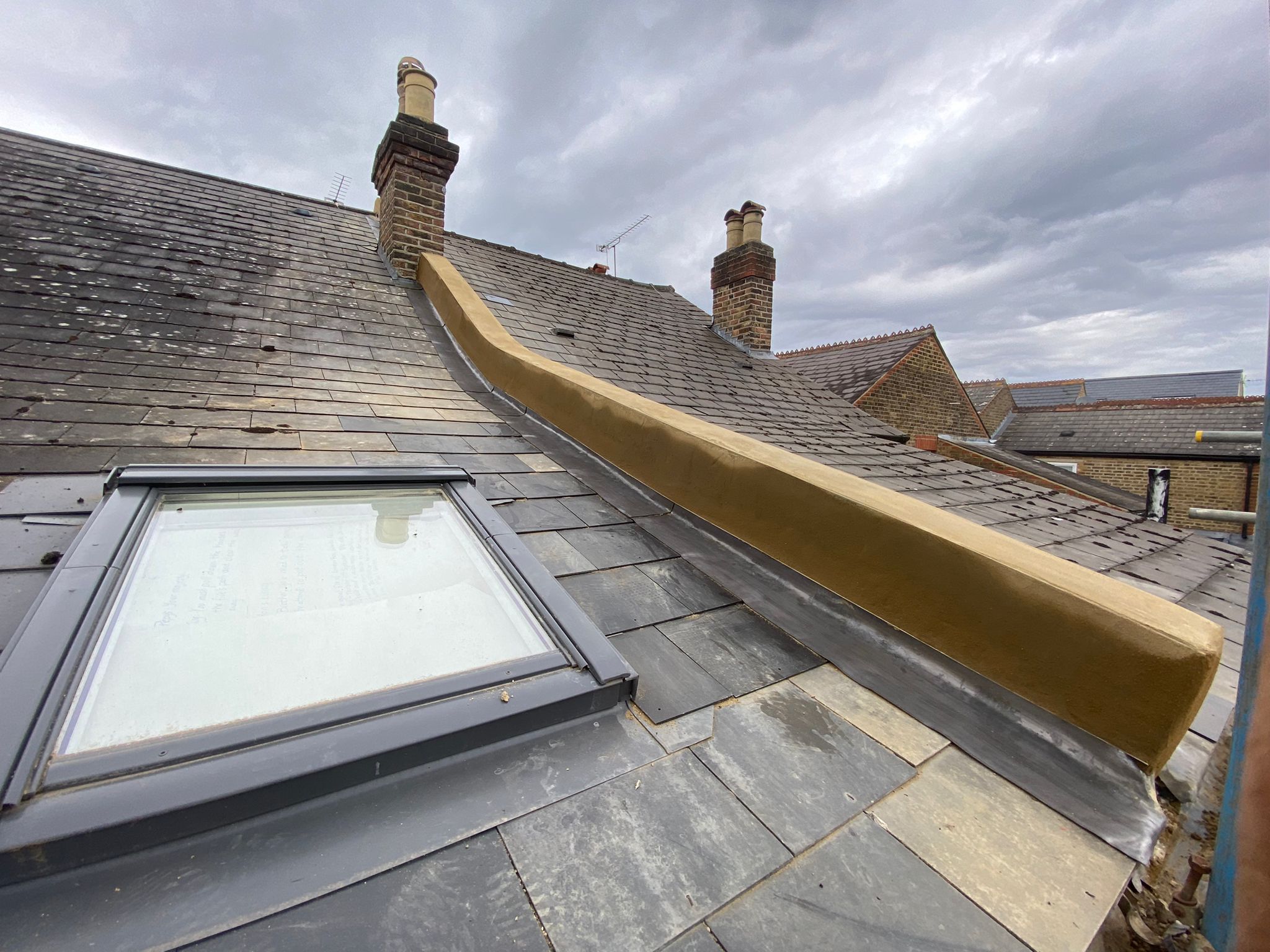
Is It Expensive to Repair a Chimney Compared to a Full Rebuild?
Whether chimney repair is expensive depends on what exactly needs doing. Minor repairs such as repointing, replacing a cracked chimney pot, or fixing the flaunching (the mortar that holds the pot in place) are relatively affordable, often falling between £200 and £800 for straightforward jobs. These are maintenance-level tasks that most chimney specialists can complete in a day, without the need for extensive scaffolding.
Where costs climb steeply is when the damage extends to the main stack structure or the internal flue liner. A flue lining replacement, for example, can run from £800 to over £2,500 depending on the flue length and the liner material used. The general principle is that early intervention keeps costs manageable; a chimney that is repointed every decade rarely needs a full rebuild, while one that is neglected for twenty years often does.
| Repair Type | Typical Cost Range | When It Is Needed |
|---|---|---|
| Repointing | £300 to £900 | Crumbling or receding mortar joints |
| Flaunching repair | £200 to £600 | Cracked mortar around chimney pot |
| Flue liner replacement | £800 to £2,500 | Damaged or absent liner in used fireplace |
| Damp proofing treatment | £150 to £500 | Water ingress through stack |
| Chimney pot replacement | £150 to £400 | Broken, loose, or missing pot |
| Full stack rebuild | £1,500 to £4,500+ | Severe structural deterioration |
What Is the 3-2-10 Rule for Chimneys?
The 3-2-10 rule is a building standard that governs how high a chimney must extend relative to the roof structure around it. Specifically, it states that the top of the chimney must be at least 3 feet (approximately 0.9 metres) above the point where it passes through the roof surface, 2 feet higher than any part of the roof or ridge within a horizontal distance of 10 feet. This rule exists primarily to ensure adequate draught, which allows combustion gases to escape safely rather than being drawn back down into the property.
In the UK, chimney height requirements are also addressed within the Building Regulations, specifically Part J, which covers combustion appliances and fuel storage. If you are rebuilding a chimney from scratch or significantly altering its height, you may need to notify your local authority building control, particularly if the work affects a flue that serves a gas or solid fuel appliance. It is worth confirming the requirements with your local authority or checking the Planning Portal if your property is listed or sits within a conservation area, as additional restrictions can apply.
Is Chimney Repair Covered by Home Insurance in the UK?
This is one of the most common questions UK homeowners ask, and the honest answer is: sometimes, but not usually for wear and tear. Most standard home insurance policies will cover chimney damage that results from a sudden, unforeseen event, such as storm damage, a lightning strike, or an accidental impact. If a severe storm dislodges a chimney stack and causes damage to the roof below, your buildings insurance should respond, subject to your excess and policy terms.
What home insurance policies typically exclude is gradual deterioration, which covers the vast majority of chimney repairs. Crumbling mortar, eroding brickwork, and failing flaunching are considered maintenance issues, and insurers treat them as the homeowner’s responsibility. It is worth reviewing your policy documents carefully and contacting your insurer before instructing any contractor, since carrying out repairs before making a claim can sometimes invalidate it. For guidance on your rights as a policyholder, the Financial Conduct Authority (FCA) provides useful information at www.fca.org.uk, and the Association of British Insurers publishes advice on home insurance claims at www.abi.org.uk.
Understanding the Full Cost to Rebuild a Chimney: What to Budget For
Rebuilding a chimney is an investment in your home’s structure, safety, and weatherproofing. The costs involved are real, but so is the risk of leaving serious deterioration unaddressed. A well-maintained chimney adds to a property’s value and, where a functioning fireplace is involved, its liveability through the colder months of the year.
When budgeting for a chimney rebuild in the UK, account for more than just the brickwork. Scaffolding, VAT, disposal of waste materials, and any associated roof repairs can add meaningfully to the final invoice. Always ask for a written, itemised quote and confirm whether the contractor carries appropriate public liability insurance before work begins.
Getting the right contractor matters as much as the price. Look for tradespeople registered with HETAS for solid fuel work, or those recommended by the National Federation of Roofing Contractors (NFRC), as these affiliations indicate a minimum standard of competency and accountability. Acting sooner rather than later almost always means paying less; the longer deterioration is left unchecked, the more extensive and costly the eventual repair becomes.
Need Help with Chimney Removal? Talk to one of our Professional Chimney Removal Experts today!
How Much Does It Cost to Rebuild a Chimney: Frequently Asked Questions
How much does it cost to rebuild a chimney from the bottom up?
A full chimney rebuild from ground level is rare and typically only required after severe structural failure or fire damage. Costs for this scale of work can range from £5,000 to well over £10,000, depending on the chimney’s size, access, and materials.
Does a chimney rebuild require planning permission in the UK?
In most cases, chimney rebuilding falls within permitted development rights and does not require planning permission. However, if your home is listed or within a conservation area, you will need to check with your local planning authority before proceeding.
How long does it take to rebuild a chimney stack?
A standard chimney stack rebuild above the roofline typically takes two to four days for the masonry work, though scaffolding erection and removal adds additional time either side. Larger or more complex projects on period properties can take a week or more.
What causes a chimney to need rebuilding?
The most common causes are prolonged water ingress, frost damage to mortar and brickwork, and the general effects of weathering over many decades. Neglected repointing is frequently the root cause, as failed mortar allows moisture to penetrate the stack.
Can I rebuild a chimney myself?
While there is no legal requirement preventing a competent DIYer from rebuilding a chimney, it is a task that carries significant safety risks due to working at height and the structural requirements of flue construction. Most homeowners are strongly advised to use a qualified and insured tradesperson.
What is the difference between chimney repointing and rebuilding?
Repointing involves removing and replacing the mortar between existing bricks and is a maintenance procedure. Rebuilding involves dismantling and reconstructing part or all of the stack, and is necessary when the bricks themselves are structurally compromised.
How do I know if my chimney needs rebuilding or just repairing?
Signs that a rebuild may be necessary include visible leaning or movement in the stack, large areas of spalling brickwork, and repeated damp problems despite previous repair attempts. A qualified chimney specialist or structural surveyor can advise definitively after an inspection.
What is chimney flaunching and how much does it cost to repair?
Flaunching is the sloped mortar bed at the top of a chimney stack that holds the chimney pot in position and directs rainwater away from the structure. Repairing or replacing flaunching typically costs between £200 and £600, making it one of the more affordable chimney maintenance tasks.
What is a chimney liner and does a rebuilt chimney need one?
A chimney liner is a conduit running inside the flue that protects the surrounding masonry and ensures safe passage of combustion gases. If the chimney serves a working fireplace or appliance, UK Building Regulations require an appropriate liner, and a rebuild presents the ideal opportunity to install one.
Does the 3-2-10 rule apply to all chimneys in the UK?
The 3-2-10 rule originated in North American building codes but the underlying principle of safe flue height relative to the roof is reflected in UK Building Regulations Part J. UK chimneys serving combustion appliances must comply with these standards, and local building control can confirm specific requirements for your property.
How do scaffolding costs affect the total chimney rebuild price?
Scaffolding is required for virtually all chimney work and typically adds £600 to £1,200 to the overall project cost. Some contractors include scaffolding in their quote, so it is important to confirm this when comparing estimates.
Is it worth repairing a chimney on a house you are selling?
A chimney in poor condition can be flagged during a survey and used to negotiate down the sale price. Addressing obvious defects before listing the property often makes commercial sense, and the GOV.UK guidance on home buying and selling provides helpful context on property transactions and disclosure obligations.
What materials are used to rebuild a chimney in the UK?
Traditional UK chimneys are rebuilt using either reclaimed or new facing bricks to match the existing structure, along with hydraulic lime mortar or cement mortar depending on the property’s age and the contractor’s preference. Using lime mortar on older properties is generally recommended, as it allows the structure to breathe and flex without cracking.
How often should a chimney be inspected to avoid major repairs?
HETAS and most chimney specialists recommend a professional inspection at least once a year for chimneys in regular use, and every two to three years for unused stacks. Consistent inspections catch minor issues before they develop into the kind of structural problems that require a full rebuild.