

+44 7853 968135
How long does a roof last in the UK?

Understanding roof longevity is crucial for UK homeowners planning maintenance budgets and property investments. The lifespan of your roof depends on multiple factors including materials used, local weather conditions, and maintenance quality.
Most UK roofs last between 20 to 60 years, with significant variation based on roofing materials and environmental factors. This comprehensive guide explores everything you need to know about roof durability in British conditions.
When Should I Replace My Roof in the UK?
Recognising the right time for roof replacement requires careful assessment of multiple warning signs and performance indicators. Age alone shouldn’t determine replacement timing, as well-maintained roofs can exceed their expected lifespan whilst neglected roofs may fail prematurely.
Key indicators include persistent leaks that resist repair, widespread tile damage, sagging roof sections, or extensive moss growth indicating moisture retention. Internal signs such as damp patches, increased heating bills, or visible daylight through roof boards also signal potential replacement needs.
Professional roof surveys provide detailed assessments of structural integrity and remaining lifespan. Most roofing experts recommend replacement when repair costs exceed 30% of a new roof’s price, making replacement the more economical long-term solution.
Need some Support with your Roof Repairs? Speak with a member of our Professional Roof Replairs Team here
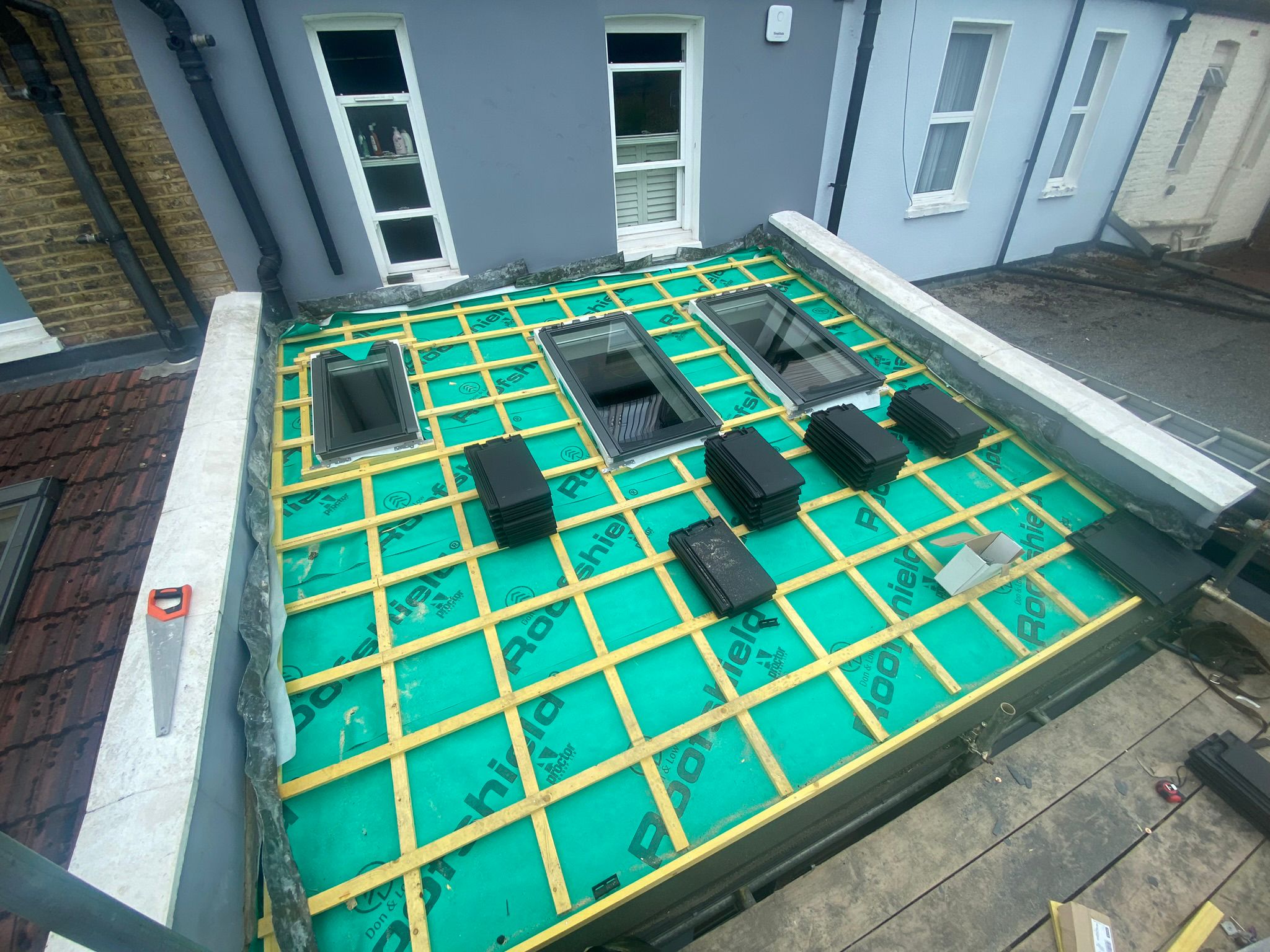
How Much Does a New Roof Cost in the UK?
Roof replacement costs in the UK vary dramatically based on property size, material choice, and regional labour rates. Understanding these cost factors helps homeowners budget effectively for this significant investment.
Average costs range from £5,000 for small terraced houses with basic materials to £15,000 or more for larger properties with premium materials. Additional factors affecting price include roof complexity, access difficulties, and necessary structural repairs discovered during installation.
| Property Type | Basic Materials | Premium Materials |
|---|---|---|
| Small Terraced House | £5,000 – £8,000 | £8,000 – £12,000 |
| Semi-Detached House | £7,000 – £12,000 | £12,000 – £18,000 |
| Large Detached House | £10,000 – £18,000 | £18,000 – £30,000 |
Roof Material Longevity in UK Conditions
Different roofing materials perform distinctly in Britain’s variable climate, with some excelling in wet conditions whilst others struggle with freeze-thaw cycles. Clay tiles typically last 50-60 years, making them excellent long-term investments despite higher initial costs.
Concrete tiles offer 30-50 year lifespans at lower costs, though they’re more susceptible to weathering and may require earlier replacement. Natural slate can last over 100 years with proper installation, explaining its premium pricing and continued popularity on heritage properties.
Modern synthetic materials provide 20-40 year lifespans with improved weather resistance and lower maintenance requirements. Metal roofing systems increasingly popular in commercial applications can last 40-70 years with proper coating maintenance.
Can a Roof Last 30 Years in British Weather?
Most quality roofing systems easily achieve 30-year lifespans in UK conditions when properly installed and maintained. This timeframe represents a reasonable expectation for mid-range materials with regular maintenance schedules.
Factors supporting 30-year longevity include proper ventilation systems, regular gutter cleaning, prompt repair of minor damage, and professional inspections every 3-5 years. Quality installation by certified contractors significantly impacts long-term performance and warranty coverage.
Britain’s moderate climate actually supports extended roof life compared to regions experiencing extreme temperatures or severe weather events. However, coastal properties face additional challenges from salt exposure requiring more frequent maintenance and potentially shorter replacement cycles.
Regional Factors Affecting Roof Longevity
| Region | Average Lifespan | Primary Challenges |
|---|---|---|
| Northern England | 25-45 years | Heavy rainfall, snow loads |
| Southern England | 30-50 years | Heat expansion, UV exposure |
| Scotland | 20-40 years | Extreme weather, freeze-thaw |
| Wales | 25-45 years | High rainfall, coastal salt |
| Coastal Areas | 20-35 years | Salt corrosion, wind damage |
The UK government provides guidance on building standards and roof maintenance through the Building Regulations Approved Document C, which outlines moisture resistance requirements. Additionally, the Planning Portal offers comprehensive information about roof alterations and planning permissions.
Understanding UK Roof Longevity for Homeowners
UK roofs demonstrate impressive longevity when matched with appropriate materials and maintained properly throughout their service life. The temperate British climate supports extended roof life compared to regions experiencing extreme weather conditions.
Investment in quality materials and professional installation pays dividends through reduced maintenance costs and extended replacement intervals. Regular maintenance programmes cost significantly less than premature replacement whilst ensuring optimal performance throughout the roof’s lifespan.
Planning roof replacement strategically allows homeowners to budget effectively whilst avoiding emergency repairs during severe weather periods. Understanding your roof’s expected lifespan enables informed decisions about property improvements and long-term financial planning.
Key considerations for UK roof longevity include:
Need Help with Repairing your Roof? Talk to one of our Roof Repair Experts today!
How Long Does a Roof Last in the UK: Frequently Asked Questions
What factors most significantly affect roof lifespan in the UK?
Weather exposure, material quality, installation standards, and maintenance frequency are the primary factors determining roof longevity. Coastal properties typically experience shorter lifespans due to salt corrosion and high winds.
How often should I inspect my roof for potential problems?
Professional inspections every 3-5 years are recommended, with homeowner visual checks twice yearly after severe weather. Early problem identification prevents minor issues from developing into major structural concerns.
Do different roof materials require different maintenance approaches?
Yes, clay tiles need occasional repointing, metal roofs require coating renewal, whilst slate roofs mainly need fixing replacement. You can find detailed guidance on roof maintenance standards through Wikipedia’s roofing article.
Can I extend my roof’s lifespan through specific maintenance practices?
Regular gutter cleaning, prompt leak repairs, moss removal, and adequate ventilation significantly extend roof life. Professional maintenance programmes often double manufacturer warranty periods through systematic care.
What warning signs indicate my roof needs replacement rather than repair?
Multiple simultaneous leaks, widespread tile damage, sagging sections, or repair costs exceeding 30% of replacement costs suggest replacement timing. Structural surveys provide definitive replacement recommendations.
How do UK building regulations affect roof replacement decisions?
Building regulations require compliance with thermal efficiency, structural safety, and moisture resistance standards during replacement. Local planning permission may be required for material changes in conservation areas.
What insurance considerations apply to aging roofs in the UK?
Insurance companies may require professional surveys for roofs over 20 years old and might exclude coverage for roofs in poor condition. Maintaining detailed maintenance records supports insurance claims and coverage continuation.
How does climate change affect UK roof longevity expectations?
Increased storm frequency and intensity may reduce average lifespans, particularly for older roofing systems not designed for extreme weather. Modern materials increasingly incorporate climate resilience features.
Should I replace my roof if I’m planning to sell my property?
New roofs significantly increase property value and marketability, often returning 60-80% of investment costs. Buyers typically prefer properties with recently replaced roofs, reducing negotiation complications.
What seasonal timing is best for roof replacement in the UK?
Late spring through early autumn provides optimal weather conditions for roof replacement, avoiding winter weather delays. Booking during off-peak seasons often results in better pricing and contractor availability.
How do I verify a roofing contractor’s credentials and insurance?
Check trade association memberships, request insurance certificates, and verify references from recent projects. The Trustmark scheme provides government-endorsed contractor verification for peace of mind.
Can solar panel installation affect my roof’s expected lifespan?
Properly installed solar panels can protect underlying roof materials from weather exposure, potentially extending roof life. However, poor installation or inappropriate mounting systems may create leak points requiring attention.
What documentation should I maintain regarding roof maintenance and repairs?
Keep detailed records of all maintenance, repairs, and inspections including photographs, contractor invoices, and warranty documents. Comprehensive documentation supports insurance claims and property sale negotiations.