

+44 7853 968135
Flat roof to pitched roof do you need planning permission?

Converting a flat roof to a pitched roof is one of the more significant home improvement projects a UK homeowner can undertake. It changes the entire profile of a property, affects neighbouring sight lines, and in some cases falls squarely within the planning system. Before you instruct a roofer or order materials, it pays to understand where the law stands.
The short answer is: it depends. Many flat-to-pitched conversions fall under Permitted Development rights, meaning you can carry out the work without submitting a formal planning application. However, there are important conditions attached to those rights, and certain properties are excluded altogether.
Does Converting a Flat Roof to a Pitched Roof Require Planning Permission?
Permitted Development rights in England allow homeowners to make certain alterations to their property without needing explicit planning consent from the local authority. A flat-to-pitched roof conversion can qualify under these rights, provided the new roof does not increase the overall height of the highest part of the existing roof. That single condition catches many homeowners off guard, because a pitched roof almost always sits higher than the flat roof it replaces.
If the new pitch does add height, or if your property is a listed building, sits within a Conservation Area, or is subject to an Article 4 Direction removing Permitted Development rights, you will need to apply for planning permission before work begins. Flats and maisonettes are also excluded from standard Permitted Development rights for roof alterations. It is always worth confirming your position with your local planning authority before committing to the project.
Need some Support with Flat Roofing? Speak with a member of our Professional Flat Roofing Team here
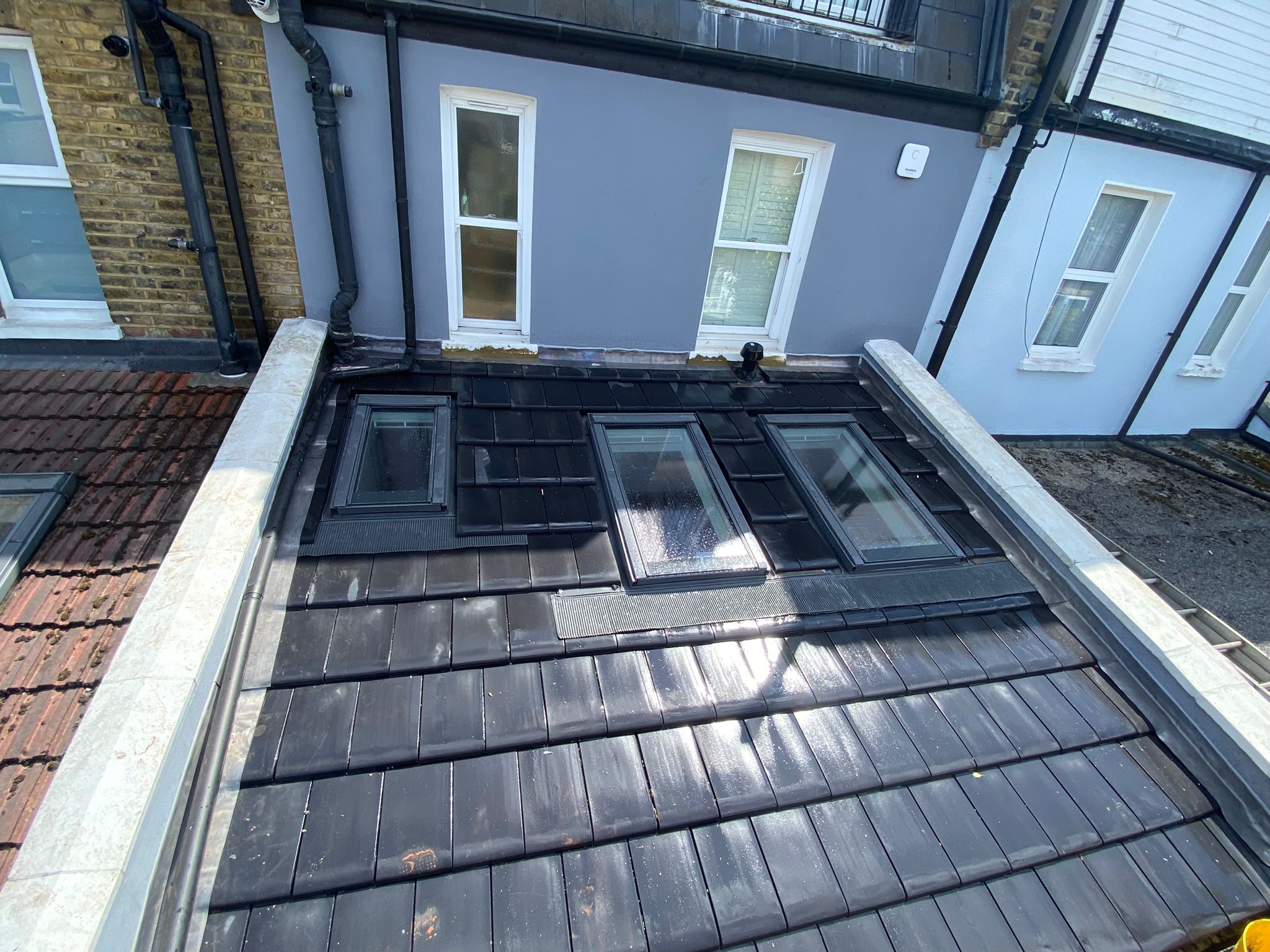
How Long Does Bitumen Waterproofing Last?
The lifespan of bitumen waterproofing depends heavily on the type of system installed and the quality of the workmanship. A basic single-layer bitumen felt roof, commonly found on older domestic extensions and outbuildings across the UK, will typically last between 10 and 15 years before degradation becomes problematic. In contrast, a properly installed two or three-layer torch-on system using SBS or APP polymer-modified bitumen can perform reliably for 20 to 30 years, particularly when installed with adequate drainage and regular maintenance inspections.
Hot-applied mastic asphalt is at the premium end of the bitumen spectrum and, when correctly specified and installed by qualified operatives, can last anywhere from 30 to 50 years. Longevity is also strongly influenced by environmental factors: UV exposure causes surface oxidisation and cracking over time, ponding water accelerates deterioration at laps and seams, and physical foot traffic without adequate protection boards will shorten the lifespan of any membrane. Scheduling an inspection every two to three years is a sensible approach to catching minor defects before they develop into costly failures.
Relevant guidance on construction waterproofing standards and building regulations compliance can be found at GOV.UK Planning Portal and through the Health and Safety Executive (HSE), which provides guidance on safe working practices during roofing and waterproofing installations.
How Do I Know if a Roofer Is Good Enough for This Kind of Work?
A flat-to-pitched roof conversion is a structural alteration, not a simple repair job. It requires a roofer with genuine experience in carpentry, structural timber work, and weatherproofing, not just someone who patches felt or replaces tiles. Asking to see completed examples of previous pitched roof conversions, along with verifiable customer references, is a reasonable and entirely professional request.
Membership of a recognised trade body provides a useful baseline of credibility. Organisations such as the National Federation of Roofing Contractors (NFRC) or the Confederation of Roofing Contractors (CORC) require members to meet competency and insurance standards. A good roofer will also carry adequate public liability insurance and provide a written, itemised quote rather than a rough verbal estimate.
| Quality Indicator | What to Look For |
|---|---|
| Trade body membership | NFRC, CORC, or equivalent |
| Public liability insurance | Minimum £1 million cover |
| Written quotes | Itemised, not lump sum |
| Verifiable references | Previous flat-to-pitched conversions |
| VAT registration | Check via HMRC if claiming VAT |
| Guarantees | Minimum 10-year workmanship warranty |
Red Flags for Roofers: How to Spot a Dodgy Contractor
Roofing unfortunately attracts a disproportionate number of rogue traders, and the consequences of appointing the wrong contractor for a structural conversion can be severe and expensive. The most common warning sign is a roofer who turns up unsolicited, often claiming to have “noticed a problem” with your roof while working nearby. Legitimate roofing companies do not cold-call homeowners from the street or a van.
Pressure to pay a large cash deposit upfront, requests for full payment before work is complete, and an insistence on cash-only transactions are all serious red flags. A trustworthy contractor will agree staged payment terms tied to completion milestones and will always provide a formal, signed contract before any work begins. If a quote seems dramatically lower than all others you have received, treat it with scepticism rather than relief.
| Warning Sign | Why It Matters |
|---|---|
| Unsolicited doorstep approach | Typical tactic of rogue traders |
| Large upfront cash deposit requested | Little recourse if work is abandoned |
| No written contract offered | No legal protection for the homeowner |
| Unusually low quote | May indicate corner-cutting on materials |
| No fixed business address | Difficult to pursue if problems arise |
| Pressure to decide immediately | Designed to prevent due diligence |
You can report rogue traders or doorstep callers to Citizens Advice or Trading Standards. For guidance on your consumer rights when hiring tradespeople, the GOV.UK consumer rights page provides clear, up-to-date information. If you are unsure whether a planned conversion requires planning consent, the Planning Portal is the official resource for checking Permitted Development rules in England.
How Many Years Does a Roof Usually Last in the UK?
The lifespan of a roof depends heavily on the materials used and the quality of installation. A poorly installed flat roof using basic felt might last as little as ten years, whereas a quality GRP (fibreglass) or EPDM rubber flat roof, correctly fitted, can last 25 to 30 years or more. This is one of the reasons many homeowners decide to convert: a well-built pitched roof using concrete or clay tiles can last 50 to 100 years with only routine maintenance.
Pitched roofs generally outperform flat roofs on longevity because they shed water more efficiently and are less susceptible to pooling, UV degradation, and thermal movement. When you factor in the reduced maintenance costs over a 30- or 40-year period, the conversion can represent sound long-term value, provided the work is carried out correctly and with appropriate materials from the outset.
What You Need to Know Before Converting a Flat Roof to a Pitched Roof
Converting a flat roof to a pitched roof is a project that rewards careful preparation. The planning question must be resolved before any contractor sets foot on your property; getting this wrong can result in an enforcement notice requiring you to undo the work at your own cost. If your conversion does require full planning permission, your local authority will typically want to see drawings, elevations, and a structural assessment as part of the application.
Choosing the right contractor is just as important as navigating the planning process correctly. Structural roof work demands a higher level of skill and experience than routine roofing repairs, and the consequences of cutting corners are not just cosmetic. A poor conversion can lead to water ingress, structural movement, and problems with your buildings insurance if the insurer considers the alteration to have been carried out without appropriate consents.
The combination of planning compliance, quality workmanship, and appropriate materials is what separates a successful conversion from an expensive mistake. Take time to verify credentials, obtain multiple written quotes, and confirm your Permitted Development position before committing.
Need Help with Flat Roofing Matters? Talk to one of our Flat Roofing Experts today!
Flat Roof to Pitched Roof Planning Permission: Frequently Asked Questions
Do I always need planning permission to convert a flat roof to a pitched roof?
Not always; many conversions fall under Permitted Development rights in England, but this depends on whether the new roof adds height and whether the property has any restrictions such as listed building status or Conservation Area designation. You should always confirm with your local planning authority before work starts.
What happens if I convert a flat roof to a pitched roof without the correct permissions?
Your local authority can issue an enforcement notice requiring you to restore the roof to its original state, entirely at your cost. In serious cases, failure to comply with an enforcement notice can result in legal proceedings.
Can I convert a flat roof to a pitched roof on a flat?
No; Permitted Development rights for roof alterations do not apply to flats or maisonettes, so residents in these properties must always apply for planning permission before proceeding with any structural roof alteration.
How long does planning permission take for a roof conversion?
Standard householder planning applications in England typically take eight weeks to be decided by the local authority, though complex or contentious applications can take longer. Submitting a complete and accurate application from the outset helps avoid unnecessary delays.
What is the difference between Permitted Development and planning permission?
Permitted Development is a pre-approved right granted by national legislation that allows certain types of work without a formal application; planning permission, by contrast, requires you to submit an application that the local authority reviews and decides upon. You can read more about Permitted Development rights on Wikipedia.
Does converting a flat roof to a pitched roof add value to a property?
In most cases, yes; a pitched roof typically adds kerb appeal, reduces long-term maintenance costs, and can improve energy efficiency, all of which are factors that buyers and valuers consider positively. The scale of any uplift depends on the quality of materials and the local property market.
Do I need building regulations approval as well as planning permission?
Yes; building regulations approval is required separately from planning permission for structural roof alterations, covering aspects such as structural integrity, thermal performance, and fire resistance. These are two distinct legal requirements and both must be satisfied.
How do I check if a roofer is registered with a trade body?
You can verify NFRC membership directly through the NFRC’s online directory at nfrc.co.uk, and most reputable trade bodies provide a searchable member register on their websites. Asking the roofer for their membership number and checking it independently takes only a few minutes.
What insurance should a roofer have before starting work on my property?
At minimum, a roofer should carry public liability insurance, typically for at least £1 million, which covers damage to your property or injury to third parties arising from the work. Employers’ liability insurance is also legally required if the contractor employs staff.
Can I get a grant or financial support for a roof conversion in the UK?
There are no mainstream government grants specifically for flat-to-pitched conversions, but if the work improves your home’s energy efficiency you may be eligible for support under schemes such as the Great British Insulation Scheme. The GOV.UK energy efficiency support page provides current information on available funding.
How much does it typically cost to convert a flat roof to a pitched roof in the UK?
Costs vary widely depending on the size of the roof, materials chosen, and regional labour rates, but a typical conversion for a single-storey extension or outbuilding might range from £3,000 to £15,000 or more. Always obtain at least three written quotes and be wary of any estimate that falls significantly below the others.
How long does a pitched roof last compared to a flat roof?
A well-installed pitched roof using quality tiles can last anywhere from 50 to 100 years with only routine maintenance, whereas even a good quality flat roof system will typically require replacement or significant repair within 20 to 30 years. This longevity difference is one of the primary practical arguments for conversion.
What materials are used in a flat-to-pitched roof conversion?
The most common materials include timber for the new roof structure, and either concrete tiles, clay tiles, or natural slate for the covering, depending on the homeowner’s budget and the character of the property. The choice of covering material may also be influenced by planning conditions or the requirements of a Conservation Area.
What should be included in a roofing contract before work begins?
A proper roofing contract should include a full description of the scope of work, materials specified by type and brand, a staged payment schedule tied to completion milestones, start and end dates, and details of the workmanship guarantee offered. Never allow work to begin without a signed written agreement in place.