

+44 7853 968135
Does a new roof add value to a property?

When considering home improvements that boost property value, many homeowners overlook one of the most impactful investments: a new roof. This essential structural element not only protects your home but can significantly enhance its market appeal and financial worth.
A new roof typically adds between 60-70% of its installation cost to your property’s value, making it one of the most cost-effective major home improvements available. Beyond the immediate financial benefits, a quality roof replacement addresses potential buyers’ concerns about future maintenance costs and structural integrity.
What Type of Roof Adds the Most Value to a Home?
Slate roofing consistently delivers the highest property value increase among roofing materials, often adding up to 15% to a home’s market value. This premium material appeals to buyers due to its exceptional longevity, with quality slate roofs lasting over 100 years when properly maintained.
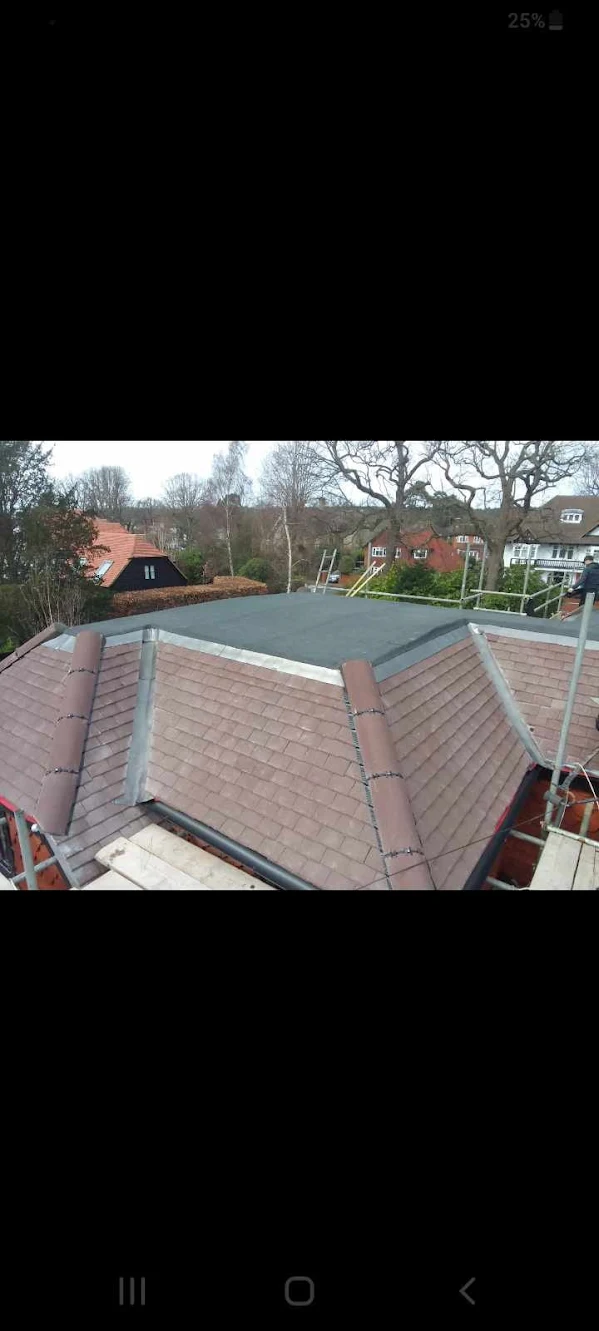
Clay tiles represent another high-value option, particularly popular in period properties and Mediterranean-style homes. These tiles offer excellent durability and distinctive aesthetic appeal that resonates with buyers seeking character properties. Modern concrete tiles provide a cost-effective alternative that still delivers substantial value increases whilst offering improved insulation properties.
Need some Support with your Roof Replacement? Speak with a member of our Professional Roof Replacement Team here
What Part of the House Adds the Most Value?
Kitchen renovations typically yield the highest return on investment, with quality kitchen improvements adding 10-15% to property values. However, roof replacements follow closely behind, offering unique advantages that other improvements cannot match.
Unlike cosmetic upgrades that may become dated, a new roof provides fundamental structural value that appeals to every potential buyer. The roof’s visibility from the street creates immediate kerb appeal whilst addressing practical concerns about weather protection and energy efficiency that influence purchase decisions.
What is the Best Roof for Your Money?
Concrete tiles offer the optimal balance of cost, durability, and value addition for most UK properties. These tiles cost significantly less than slate or clay alternatives whilst providing 50-60 years of reliable service and adding substantial property value.
Metal roofing systems, whilst requiring higher initial investment, deliver exceptional long-term value through superior energy efficiency and minimal maintenance requirements. Modern metal roofs can reduce heating costs by up to 25% through improved insulation and reflective properties, making them increasingly attractive to environmentally conscious buyers.
| Roofing Material | Initial Cost (per m²) | Lifespan (Years) | Value Added (%) | Maintenance Level |
|---|---|---|---|---|
| Concrete Tiles | £15-25 | 50-60 | 8-12 | Low |
| Clay Tiles | £25-40 | 60-80 | 12-15 | Low |
| Slate | £40-80 | 100+ | 15-18 | Very Low |
| Metal Sheets | £20-35 | 40-70 | 10-14 | Very Low |
According to the UK government’s energy efficiency guidelines, proper roofing improvements can significantly impact a property’s Energy Performance Certificate (EPC) rating. A better EPC rating directly correlates with increased property values, as buyers increasingly prioritise energy-efficient homes.
The Building Regulations guidance emphasises that roof replacements must meet current thermal efficiency standards, ensuring that new roofs contribute to improved energy performance and reduced utility costs.
Square Metre Pricing for Roof Tile Replacement
Professional roofers typically calculate larger projects using square metre pricing, providing homeowners with clearer cost expectations for extensive repairs. Standard concrete tile replacement averages £35-45 per square metre, whilst premium materials such as handmade clay tiles can reach £60-80 per square metre including labour.
These rates include tile removal, batten inspection, new tile installation, and basic waste disposal, though scaffold hire often represents an additional £400-800 depending on property height and access requirements. Complex roof designs featuring multiple angles, dormers, or chimney surrounds typically incur 15-25% premium charges due to increased labour complexity.
How Long Do Roofs Last?
Traditional slate roofs represent the gold standard for longevity, often exceeding 100 years when installed by skilled craftsmen using quality materials. Victorian properties across the UK demonstrate slate’s remarkable durability, with many original roofs still performing excellently after 150 years of service.
Modern roofing materials offer varying lifespans that directly impact their value proposition. Clay tiles typically provide 60-80 years of reliable service, whilst concrete tiles offer 50-60 years of protection with minimal maintenance requirements.
| Roofing Type | Expected Lifespan | Warranty Period | Replacement Indicators | Annual Maintenance Cost |
|---|---|---|---|---|
| Slate | 100+ years | 30-50 years | Cracked/missing tiles | £50-100 |
| Clay Tiles | 60-80 years | 25-30 years | Colour fading/cracks | £75-150 |
| Concrete | 50-60 years | 20-25 years | Surface erosion | £100-200 |
| Metal | 40-70 years | 20-40 years | Corrosion/denting | £25-75 |
Investment Returns When Adding Value Through New Roofing
Installing a new roof delivers compelling financial returns that extend far beyond simple property value addition. The immediate benefit of increased market value combines with reduced maintenance costs and improved energy efficiency to create substantial long-term savings.
Insurance premiums often decrease following roof replacement, as insurers recognise the reduced risk of weather damage and structural issues. Many insurance companies offer specific discounts for properties with roofs less than ten years old, particularly when installed using impact-resistant materials.
Property sale speed represents another crucial advantage of new roofing investments. Homes with recently replaced roofs typically sell 20-30% faster than comparable properties with aging roof systems, as buyers feel confident about avoiding immediate major expenses after purchase.
Need Help with Roof Replacement? Talk to one of our Professional Roof Replacement Experts today!
Does a New Roof Add Value to a Property: Common Questions Answered
How much value does a new roof add to a house in the UK?
A new roof typically adds between 60-70% of its installation cost to your property’s value, with premium materials like slate potentially increasing property worth by up to 15%. The exact value increase depends on your property type, local market conditions, and chosen roofing materials.
Should I replace my roof before selling my house?
Replacing your roof before selling often proves worthwhile if the current roof shows significant wear or damage. Properties with new roofs sell 20-30% faster and command higher prices, as buyers avoid concerns about immediate major expenses.
Which roofing material offers the best return on investment?
Concrete tiles provide the optimal balance of cost and value for most properties, offering 50-60 years of service whilst adding 8-12% to property values. According to Wikipedia’s roofing materials guide, concrete tiles represent the most cost-effective choice for UK climates.
How does a new roof affect property insurance costs?
Insurance premiums typically reduce following roof replacement, with many insurers offering specific discounts for roofs less than ten years old. The reduced risk of weather damage and structural issues can result in 10-15% lower annual premiums.
Can I claim roof replacement costs against tax when selling?
Roof replacement costs can be offset against capital gains tax as home improvement expenses, potentially reducing your tax liability when selling. The HM Revenue & Customs guidance provides detailed information about allowable home improvement deductions.
How long should I wait after roof installation before selling?
You can sell immediately after roof installation, though waiting 12-18 months allows you to demonstrate the roof’s performance through different weather conditions. This timing also ensures any minor settling issues are resolved and warranties are fully established.
Do energy-efficient roofing materials add more value?
Energy-efficient roofing materials command premium values due to reduced utility costs and improved EPC ratings. Modern buyers increasingly prioritise energy efficiency, making these materials particularly attractive in today’s market.
What documentation should I keep after roof replacement?
Maintain warranties, building control certificates, and installation documentation to demonstrate quality workmanship to potential buyers. These documents provide assurance about the roof’s condition and remaining warranty coverage.
How does roof age affect mortgage applications?
Lenders often require surveys for properties with roofs over 20 years old, potentially complicating mortgage approval. New roofs eliminate these concerns and can improve loan-to-value ratios through increased property valuations.
Should I choose matching materials for roof repairs or full replacement?
Full replacement with matching materials typically provides better value than piecemeal repairs, as it eliminates ongoing maintenance concerns and provides comprehensive warranty coverage. Buyers prefer properties with complete roof systems rather than patched assemblies.
How do planning permissions affect roof replacement value?
Roof replacements using similar materials typically fall under permitted development rights, avoiding planning delays and costs. However, listed buildings or conservation areas may require planning permission, potentially affecting project timelines and costs.
What impact does roof replacement have on home surveys?
New roofs typically receive excellent survey reports, eliminating common issues like missing tiles, water damage, or structural concerns. This positive survey feedback often prevents buyer renegotiation and supports asking prices.
Can roof replacement improve my property’s EPC rating?
Modern roofing materials with improved insulation properties can enhance EPC ratings by reducing heat loss through the roof structure. Better EPC ratings correlate directly with higher property values and increased buyer interest.
How do local weather conditions affect roofing material value?
Regional weather patterns influence optimal material choices, with coastal areas benefiting from corrosion-resistant materials whilst inland properties may prioritise thermal efficiency. Choosing appropriate materials for local conditions maximises both performance and value addition.