

+44 7853 968135
Do you need scaffolding to replace fascia?

Replacing fascia boards represents one of the most common exterior maintenance tasks homeowners face, yet the question of scaffolding requirements often creates confusion and budget concerns. The straightforward answer is that scaffolding requirements depend entirely on your property’s height, roof pitch, and the complexity of access to the fascia boards.
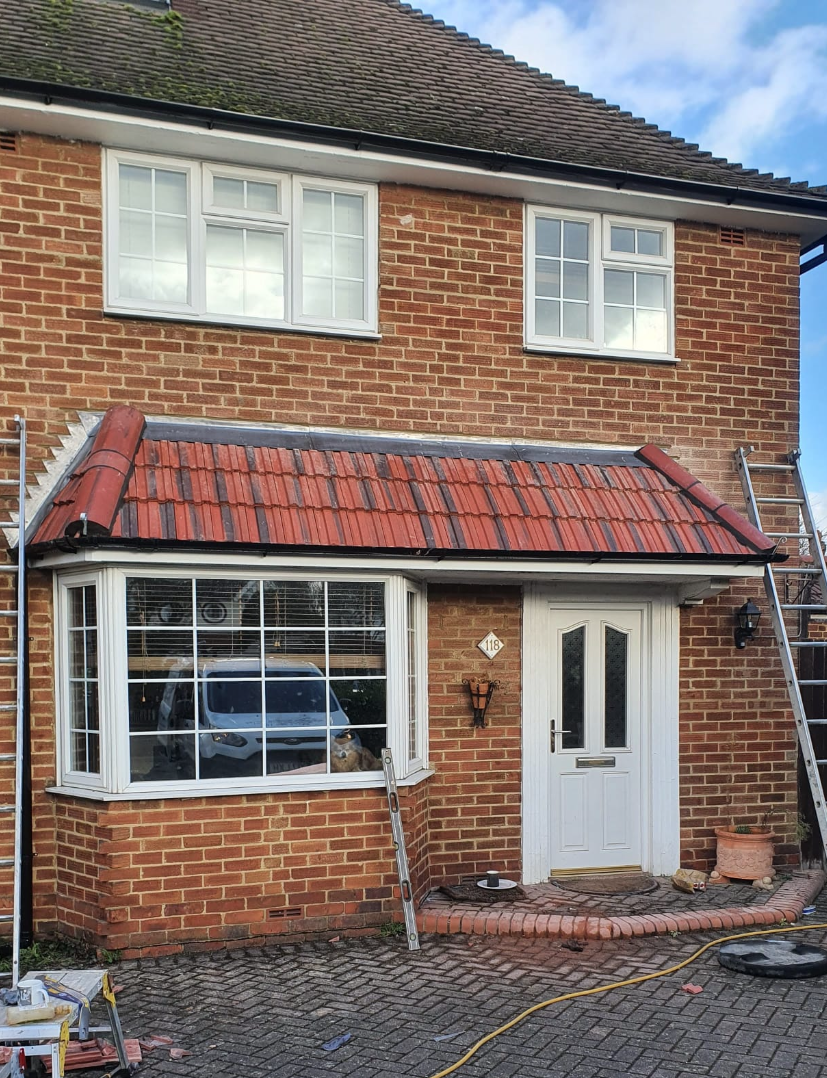
Most single-storey properties and bungalows rarely require scaffolding for fascia replacement, as qualified contractors can safely access these areas using sturdy ladders and proper safety equipment. However, two-storey homes and properties with complex rooflines typically necessitate scaffolding to ensure both worker safety and quality workmanship during the replacement process.
Do You Need Scaffolding to Replace Fascias?
The decision to use scaffolding for fascia replacement hinges on several critical safety and practical factors that professional contractors evaluate before beginning any project. Properties exceeding 3.5 metres in height, particularly those with steep roof pitches or limited ground access, almost always require scaffolding to comply with current health and safety regulations.
Working at height regulations mandate that contractors must use the most appropriate access equipment for each specific situation, which often means scaffolding for multi-storey properties. Beyond legal requirements, scaffolding provides contractors with stable platforms that enable precise measurement, cutting, and installation of fascia boards, ultimately resulting in superior finished quality compared to ladder-based approaches.
Need some Support with your Fascia and Soffits? Speak with a member of our Professional Fascia and Soffits Team here
Can You Replace Guttering Without Scaffolding?
Guttering replacement without scaffolding is entirely feasible for many single-storey properties, provided contractors employ proper ladder safety techniques and appropriate access equipment. Professional roofers and guttering specialists often utilise lightweight aluminium ladders with stabiliser attachments, allowing safe access to most standard residential guttering systems.
The key consideration lies in the working duration and complexity of the guttering project, as extended periods working from ladders can compromise both safety and work quality. Simple gutter repairs or short section replacements typically work well with ladder access, whilst complete guttering overhauls on larger properties benefit significantly from the stability and convenience that scaffolding towers provide.
How Difficult Is It to Replace Fascia?
Fascia board replacement complexity varies considerably depending on the existing installation method, material choices, and the condition of underlying roof timbers. Modern uPVC fascia systems with clip-on designs offer relatively straightforward replacement procedures, whilst traditional timber fascias often require more extensive preparation work including rafter end repairs or strengthening.
The most challenging aspect typically involves ensuring proper alignment and secure fixing points, particularly when dealing with older properties where roof structures may have settled or shifted over time. Professional contractors must also coordinate fascia replacement with any necessary soffit work, ventilation installation, or guttering adjustments, requiring careful planning and sequencing to achieve optimal results. appearance that can negatively impact your property’s kerb appeal and value.
What Type of Contractor Replaces Fascia Boards?
Qualified roofing contractors represent the most appropriate professionals for fascia board replacement, possessing the necessary expertise in roof-related building components and access equipment. These specialists understand the critical relationship between fascias, soffits, and roofing systems, ensuring replacement work maintains proper weatherproofing and structural integrity.
Many general builders also offer fascia replacement services, particularly as part of broader exterior renovation projects, though it’s essential to verify their specific experience with roofline work. Specialist roofline contractors focus exclusively on fascias, soffits, bargeboards, and guttering, often providing the most comprehensive expertise and typically offering extended warranties on their installation work.
| Property Type | Scaffolding Required | Typical Access Method | Safety Considerations |
|---|---|---|---|
| Single-storey bungalow | Rarely | Ladder with stabilisers | Ground-level safety zones |
| Two-storey house | Usually | Scaffold tower/full scaffold | Height working regulations |
| Three-storey property | Always | Full scaffolding system | Complex access requirements |
| Dormer windows present | Usually | Scaffold with platforms | Multiple working levels |
Scaffolding Requirements for Fascia Replacement Projects
Understanding when scaffolding becomes necessary for fascia replacement helps homeowners budget accurately whilst ensuring compliance with safety regulations and insurance requirements. The Health and Safety Executive guidelines specify that any work conducted above 2 metres requires appropriate access equipment, with scaffolding being the preferred solution for extended working periods at height.
Professional contractors typically recommend scaffolding for properties where ladder access would require frequent repositioning, create unstable working conditions, or prevent proper material handling during the replacement process. The additional cost of scaffolding often proves worthwhile when considering the improved work quality, reduced project duration, and enhanced safety standards that stable working platforms provide.
Insurance considerations also play a crucial role in scaffolding decisions, as many public liability policies require contractors to use appropriate access equipment for different property heights. Homeowners should verify that their chosen contractor carries adequate insurance coverage and follows current working at height regulations, as this protects both parties from potential liability issues should accidents occur during the replacement process.
Do You Need Scaffolding to Replace Fascia: Final Considerations
The scaffolding decision for fascia replacement ultimately depends on balancing safety requirements, work quality expectations, and project budgets whilst ensuring compliance with current building regulations. Most reputable contractors will conduct thorough site assessments before recommending the most appropriate access method, considering factors such as property height, roof complexity, surrounding obstacles, and the scope of work required.
Professional fascia replacement projects benefit significantly from proper planning and appropriate access equipment, regardless of whether scaffolding proves necessary for your specific property. The investment in proper access solutions typically pays dividends through improved installation quality, reduced project risks, and faster completion times that minimise disruption to your daily routine.
Consulting with Building Control services can provide additional guidance on access requirements and safety standards, particularly for larger projects involving multiple roofline components or properties with complex architectural features.
Key considerations for fascia replacement projects include:
Need Help with Fascia and Soffit Matters? Talk to one of our Fascia and Soffits Experts today!
Do You Need Scaffolding to Replace Fascia: Frequently Asked Questions
How much does scaffolding add to fascia replacement costs?
Scaffolding typically adds £300-£800 to fascia replacement projects, depending on property size and access complexity. This additional investment often proves cost-effective when considering improved work quality and reduced project duration.
Can fascia replacement be done in winter weather?
Professional contractors can replace fascias during winter months, though severe weather conditions may cause delays for safety reasons. Scaffolding actually provides better weather protection for workers compared to ladder-based access methods.
How long does scaffolding need to remain in place?
Most fascia replacement projects require scaffolding for 2-4 days, depending on property size and work complexity. Contractors typically arrange scaffolding rental periods to accommodate potential weather delays and material delivery schedules.
Do planning permissions affect scaffolding requirements?
Standard fascia replacement rarely requires planning permission, though scaffolding on public highways may need local authority licenses. Listed buildings or conservation areas may have specific requirements affecting both materials and access methods.
What safety equipment do contractors use without scaffolding?
Professional contractors use ladder stabilisers, safety harnesses, and proper footwear when working without scaffolding. However, these methods are only suitable for shorter duration work on single-storey properties.
How do contractors access fascias on complex roof designs?
Properties with multiple roof levels, dormers, or bay windows typically require scaffolding systems with multiple platforms. Ladder access becomes impractical and potentially dangerous on architecturally complex buildings.
Can homeowners replace fascias themselves without scaffolding?
DIY fascia replacement is possible on single-storey properties using proper ladder safety techniques, though professional installation ensures better results. Insurance and warranty considerations often favour professional installation over DIY approaches.
What factors determine scaffolding tower versus full scaffolding?
Scaffold towers suit smaller sections or single elevations, whilst full scaffolding systems work better for complete house fascia replacement. The choice depends on access requirements, working duration, and material handling needs.
How do weather conditions affect scaffolding decisions?
Windy conditions make ladder work particularly hazardous, increasing the likelihood that contractors will recommend scaffolding. Scaffolding provides more stable working platforms during variable weather conditions throughout the project duration.
Do insurance policies cover scaffolding-related accidents?
Reputable contractors carry public liability insurance covering scaffolding use, though homeowners should verify coverage details. DIY projects may not receive the same insurance protection as professional installations with proper access equipment.
What maintenance access benefits does scaffolding provide?
Scaffolding enables contractors to inspect and address underlying roof timber issues that become apparent during fascia removal. This comprehensive approach often prevents future problems that ladder-based work might miss.
How far in advance should scaffolding be arranged?
Most scaffolding companies require 1-2 weeks’ notice for residential projects, though availability varies seasonally. Early booking ensures project scheduling flexibility and may secure better rental rates for longer projects.
Are there alternatives to traditional scaffolding systems?
Mobile elevated work platforms (MEWPs) or cherry pickers can provide access for some fascia replacement projects. However, these alternatives may not be suitable for all property types or provide the same working space as traditional scaffolding.
What happens if scaffolding reveals additional roof problems?
According to government guidance on building maintenance, contractors should document any additional issues discovered during scaffolded access. This comprehensive inspection capability represents one of the key advantages of using proper access equipment for fascia replacement projects.
metoprolol
metoprolol
metoclopramide 5mg
metoclopramide 5mg