

+44 7853 968135
Do you have to empty the loft when having a new roof?

Planning a roof replacement brings numerous practical considerations, with loft preparation being amongst the most pressing concerns for UK homeowners. The question of whether complete loft clearance is necessary depends on several factors including the extent of work, roofing method, and your property’s specific characteristics.
Understanding the requirements beforehand helps prevent delays, protects belongings, and ensures smooth project completion. Most roofing projects require at least partial loft access, making some degree of preparation inevitable for homeowners.
Do I Need to Empty the Loft for a New Roof?
Complete loft emptying isn’t always mandatory, but the extent of clearance depends on your specific roofing project and chosen installation method. Properties undergoing complete roof replacement typically require full loft access, whilst repair work might only necessitate clearing specific areas directly beneath the work zone.
The decision largely hinges on whether roofers need internal access for structural work, insulation upgrades, or safety inspections. Modern roofing techniques often involve working from both exterior and interior positions, particularly when addressing structural timber, installing new insulation, or upgrading ventilation systems.
Need some Support with Flat Roofing? Speak with a member of our Professional Flat Roofing Team here
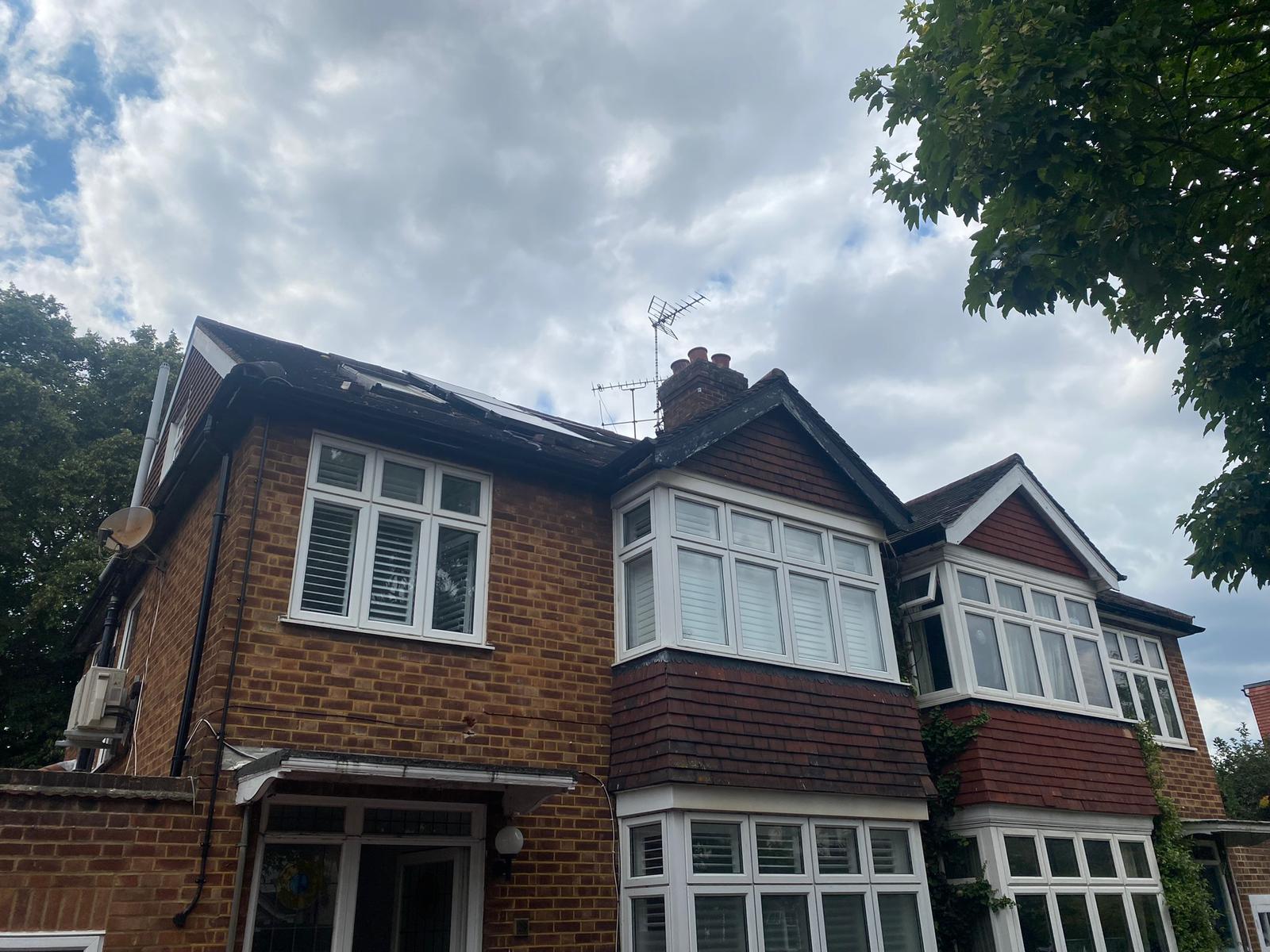
Do Roofers Need Access to the Loft?
Professional roofers frequently require loft access to assess structural integrity, install support systems, and complete work safely from multiple angles. Internal access allows contractors to inspect rafters, identify potential issues, and ensure proper installation of underlayment materials that require both external and internal positioning.
Access requirements vary significantly between roofing companies and project types. Some contractors specialise in external-only approaches, whilst others prefer comprehensive access to guarantee work quality and address any structural concerns discovered during the project.
What Happens When You Have a New Roof?
The roof replacement process typically begins with protective measures including covering belongings, sealing internal areas, and establishing clear access routes throughout your property. Professional contractors coordinate these preparations to minimise disruption whilst ensuring comprehensive protection for your possessions and interior spaces.
During installation, expect significant noise, vibration, and occasional debris despite protective coverings. The process involves removing existing materials, inspecting structural elements, installing new components, and conducting thorough quality checks before project completion.
| Roof Replacement Stage | Typical Duration | Loft Access Required |
|---|---|---|
| Initial Assessment | 1-2 hours | Yes – Full inspection |
| Material Removal | 1-2 days | Moderate – Safety checks |
| Structural Work | 2-3 days | Yes – Internal support |
| New Installation | 3-5 days | Limited – Final checks |
| Quality Inspection | Half day | Yes – Comprehensive review |
How to Clean a Loft After a New Roof?
Post-installation loft cleaning requires systematic approach beginning with dust removal using industrial vacuum equipment, followed by thorough surface cleaning of all accessible areas. Start from the furthest corner and work towards the access point, ensuring complete debris removal before replacing any stored items.
Professional cleaning services often provide specialised equipment for post-construction cleanup, including HEPA filtration systems that capture fine particles typical after roofing work. Consider professional assistance particularly if your loft contains valuable items or requires extensive restoration following the roofing project.
| Cleaning Task | Recommended Equipment | Estimated Time |
|---|---|---|
| Dust Removal | Industrial vacuum, masks | 2-4 hours |
| Surface Wiping | Microfibre cloths, cleaning solution | 1-2 hours |
| Insulation Check | Torch, protective clothing | 30-60 minutes |
| Ventilation Cleaning | Brush set, vacuum attachment | 1-2 hours |
| Final Inspection | Torch, notebook | 30 minutes |
The UK government provides comprehensive guidance on home improvement projects through Building Regulations applications, ensuring all structural work meets safety standards. Additionally, planning permission requirements may apply depending on your property type and proposed changes.
Preparing Your Loft Space for New Roof Installation
Successful roof replacement projects require thorough loft preparation that balances protection requirements with contractor access needs. The key lies in strategic partial clearance rather than complete emptying, focusing on creating safe working spaces whilst protecting valuable possessions through careful planning and professional guidance.
Most experienced roofing contractors provide detailed preparation guidelines specific to your project scope. These recommendations typically include clearing central access routes, protecting remaining items with dust sheets, and ensuring adequate lighting for safe internal work.
Professional preparation involves three critical considerations:
Need Help with Flat Roofing Matters? Talk to one of our Flat Roofing Experts today!
Do You Have to Empty the Loft When Having a New Roof: Frequently Asked Questions
How much of my loft needs clearing for a standard roof replacement?
Typically, you’ll need to clear approximately 60-80% of stored items, focusing on areas directly beneath work zones and creating safe access corridors. Most contractors require clear pathways measuring at least 1.2 metres wide for safe movement and equipment transport.
Can I leave heavy furniture in the loft during roof work?
Heavy items can generally remain if covered properly and positioned away from direct work areas, though contractors may request temporary relocation for safety access. Always consult your chosen roofer about specific item restrictions before project commencement.
Will my loft insulation be damaged during roof replacement?
Modern installation techniques minimise insulation disturbance, though some displacement is inevitable during structural work or safety inspections. Professional contractors typically include insulation repair or replacement within their service scope.
How long should I expect limited loft access during the project?
Most roof replacements restrict loft access for 3-7 working days depending on project complexity and weather conditions. Contractors usually provide daily updates regarding access restoration and completion timelines.
Do building regulations require loft emptying for roof work?
UK Building Regulations don’t specifically mandate complete loft clearance, though safety requirements may necessitate removing items that obstruct contractor access or create hazards. For detailed requirements, consult the Building Regulations guidance which outlines safety standards for construction work.
Can roof replacement work proceed without any loft access?
Some roofing projects can proceed using external-only methods, though internal access typically ensures superior quality control and comprehensive structural assessment. Most professional contractors prefer at least limited internal access for thorough completion.
What protection should I use for items remaining in the loft?
Professional-grade dust sheets, plastic coverings, and moisture barriers provide optimal protection for remaining possessions during roof work. Consider double-layer protection for valuable items and ensure adequate ventilation to prevent condensation issues.
Are there items I should never leave in the loft during roof work?
Remove all fragile items, important documents, electronics, and anything irreplaceable before work commences. Valuable items, family heirlooms, and moisture-sensitive materials require temporary relocation regardless of protective measures.
How much does professional loft clearance cost?
Professional clearance services typically charge £200-500 depending on loft size and item quantity, though many homeowners opt for DIY clearance to reduce project costs. Consider professional services for heavy items or time-constrained situations.
Will contractors help move loft items before starting work?
Most roofing contractors don’t include item removal in standard services, though some offer additional clearance services at extra cost. Arrange item removal before the scheduled start date to prevent project delays.
Can I access my loft during roof work for forgotten items?
Safety regulations typically prevent homeowner loft access during active construction work, making pre-project planning crucial for retrieving necessary items. Coordinate with contractors for emergency access if absolutely essential.
What happens if rain enters the loft during roof replacement?
Professional contractors implement weather protection measures including temporary coverings and moisture barriers to prevent interior damage. Most reputable companies carry insurance covering weather-related damages during installation periods.
Should I remove loft boarding before roof replacement?
Loft boarding typically remains in place unless contractors require removal for structural access or safety reasons. Discuss boarding requirements during initial consultations to understand any removal necessities.
How do I know if my contractor requires full loft clearance?
Reputable contractors provide detailed preparation checklists during initial surveys, specifying exact clearance requirements for your specific project. Request written preparation guidelines to ensure proper planning and avoid project delays.