

+44 7853 968135
Do new fascias add value?

When considering home improvements that boost property value, many UK homeowners overlook one of the most visible yet underappreciated elements of their property’s exterior: the fascia boards. These horizontal boards that run along the roofline edge play a crucial role in both protecting your home and enhancing its kerb appeal, making them a worthwhile investment for property value enhancement.
New fascias can indeed add value to your property, though the extent depends on several factors including the condition of existing boards, the materials chosen, and the overall property market in your area. Professional installation of quality fascia boards typically yields a return on investment through improved aesthetics, enhanced weather protection, and reduced maintenance requirements that appeal to potential buyers.
What’s the Average Cost to Replace Fascia?
Understanding the financial commitment involved in fascia replacement helps homeowners make informed decisions about this exterior improvement. The cost varies significantly based on property size, material choice, and regional labour rates across the UK.
For a typical three-bedroom semi-detached house, fascia replacement costs range from £800 to £2,500, with uPVC options at the lower end and premium materials like hardwood or composite boards commanding higher prices. These figures include both materials and professional installation, though additional costs may arise if extensive repairs to underlying roof structures are required during the replacement process.
Need some Support with your Fascia and Soffits? Speak with a member of our Professional Fascia and Soffits Team here
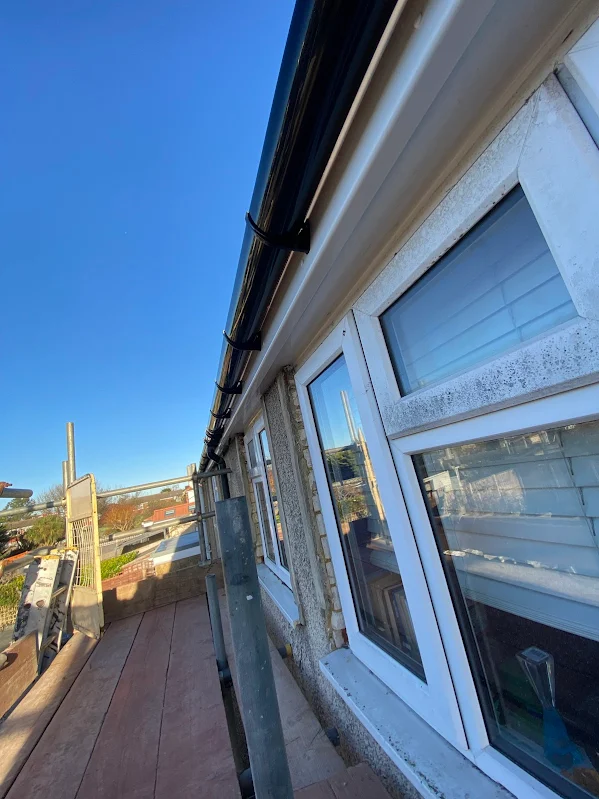
Do Soffits Add Value to a House?
Soffits work in tandem with fascias to create a complete roofline solution that significantly impacts both property value and structural integrity. These boards, which sit beneath the fascia and cover the underside of roof overhangs, provide essential ventilation and weather protection that savvy buyers increasingly recognise as valuable features.
Modern soffit installation can add approximately 1-3% to property value when combined with new fascias, particularly in older properties where original timber boards have deteriorated. The visual transformation from tired, peeling timber to crisp, maintenance-free uPVC or premium composite materials creates an immediate impression of a well-maintained property that commands higher market values.
| Soffit Material | Average Cost per Linear Metre | Lifespan | Maintenance Requirements |
|---|---|---|---|
| uPVC | £15-25 | 20-30 years | Minimal – occasional cleaning |
| Aluminium | £20-35 | 25-40 years | Low – periodic inspection |
| Timber | £12-20 | 10-15 years | High – regular painting/staining |
| Composite | £25-45 | 30+ years | Very low – annual cleaning |
How Often Should Fascia Be Replaced?
The replacement frequency for fascia boards depends primarily on the material used and the level of maintenance they’ve received throughout their lifespan. Understanding these timescales helps homeowners plan for future improvements and maintain optimal property value.
Traditional timber fascias typically require replacement every 10-15 years in the UK climate, particularly when exposed to driving rain and temperature fluctuations common in many regions. However, well-maintained timber boards with regular painting can extend this period to 20 years, though the ongoing maintenance costs often make replacement with modern materials more economical in the long term. appearance that can negatively impact your property’s kerb appeal and value.
How Often Should Fascia Be Replaced?
The replacement frequency for fascia boards depends primarily on the material used and the level of maintenance they’ve received throughout their lifespan. Understanding these timescales helps homeowners plan for future improvements and maintain optimal property value.
Traditional timber fascias typically require replacement every 10-15 years in the UK climate, particularly when exposed to driving rain and temperature fluctuations common in many regions. However, well-maintained timber boards with regular painting can extend this period to 20 years, though the ongoing maintenance costs often make replacement with modern materials more economical in the long term.
What is the Average Cost of Replacing Fascia Boards?
Breaking down fascia replacement costs provides clarity for homeowners budgeting for this improvement and helps assess the value proposition against potential property appreciation. Regional variations across the UK mean London and South East properties typically face higher installation costs.
The material choice significantly impacts overall project costs, with uPVC fascias offering the most cost-effective solution at £12-18 per linear metre installed, whilst premium options like cedar or composite materials range from £25-40 per linear metre. Labour typically accounts for 40-60% of total project costs, making DIY installation tempting, though professional fitting ensures optimal performance and often includes valuable warranties that protect the investment.
| Property Type | Linear Metres Required | uPVC Cost Range | Premium Material Range |
|---|---|---|---|
| Terraced House | 25-35m | £800-1,200 | £1,500-2,800 |
| Semi-Detached | 35-45m | £1,200-1,600 | £2,200-3,600 |
| Detached House | 45-65m | £1,600-2,400 | £3,200-5,200 |
| Bungalow | 40-60m | £1,400-2,100 | £2,800-4,800 |
According to the UK Government’s guidance on building regulations, fascia and soffit work may require building control approval in certain circumstances, particularly when structural modifications are involved. Additionally, the UK Government’s energy efficiency recommendations highlight how proper ventilation through quality soffits contributes to overall home energy performance.
Understanding the True Value of New Fascias
New fascias represent a strategic investment that delivers value through multiple channels beyond simple aesthetic improvement. The combination of enhanced kerb appeal, reduced maintenance burden, and improved weather protection creates a compelling case for property value enhancement that resonates with today’s environmentally conscious buyers.
The visual impact of crisp, well-fitted fascias cannot be understated in creating positive first impressions for potential buyers or valuers. Properties with obviously deteriorating roofline elements often trigger concerns about overall maintenance standards, potentially leading to reduced offers or extended time on market that far exceed the cost of preventive replacement.
Modern fascia materials also contribute to long-term property value through their low-maintenance characteristics and extended lifespans. Buyers increasingly factor ongoing maintenance costs into their property valuations, making homes with recently installed, high-quality fascias more attractive propositions in competitive markets.
Need Help with Fascia and Soffit Matters? Talk to one of our Fascia and Soffits Experts today!
Do New Fascias Add Value: Frequently Asked Questions
Do new fascias increase house value immediately?
Yes, new fascias typically provide immediate value increase through enhanced kerb appeal and buyer perception of property maintenance standards. The improvement is most noticeable when replacing visibly deteriorated timber boards with modern materials.
What return on investment can I expect from fascia replacement?
Most homeowners see a 60-80% return on fascia replacement investment through increased property value and reduced maintenance costs. The Wikipedia page on fascia boards provides detailed information about their structural importance in property construction.
Should I replace fascias before selling my house?
Replacing deteriorating fascias before sale often proves worthwhile, as buyers may negotiate significantly more than replacement costs off asking prices for properties with obvious roofline issues. Fresh fascias suggest well-maintained property throughout.
Do mortgage lenders consider fascia condition during valuation?
Surveyors routinely assess roofline condition including fascias during mortgage valuations, and severely deteriorated boards can trigger repair requirements or affect lending decisions. Professional replacement addresses these concerns proactively.
Which fascia material offers the best value for money?
uPVC fascias provide excellent value combining low cost, durability, and minimal maintenance requirements, typically lasting 20-30 years with minimal upkeep. Premium materials offer longer lifespans but require higher initial investment.
Can I install fascias myself to save money?
Whilst possible, DIY fascia installation requires significant ladder work and roofline expertise, making professional installation safer and often more cost-effective considering potential errors. Professional fitting also includes warranties protecting your investment.
Do coloured fascias cost more than white?
Most uPVC fascia suppliers offer coloured options at minimal additional cost (typically £1-3 per linear metre), allowing personalisation without significant budget impact. Woodgrain effects may carry slightly higher premiums.
How long does professional fascia installation take?
Typical residential fascia replacement takes 1-3 days depending on property size and complexity, with minimal disruption to daily routines. Weather conditions may extend timescales during winter months.
Do fascias require planning permission for replacement?
Standard fascia replacement rarely requires planning permission as permitted development, though conservation areas or listed buildings may have restrictions requiring local authority consultation per government guidelines.
What maintenance do new fascias require?
Modern uPVC and composite fascias require minimal maintenance beyond annual cleaning with mild detergent solution, whilst timber options need regular painting or staining every 3-5 years to maintain appearance and protection.
Should I replace guttering when installing new fascias?
Combining fascia and guttering replacement often proves cost-effective, sharing labour costs and ensuring colour coordination, though existing guttering in good condition can typically remain if properly supported by new fascia boards.
Do fascias affect home insurance premiums?
Well-maintained fascias support overall property condition that insurers favour, though direct premium impacts are minimal unless deterioration causes water damage claims. Proactive replacement demonstrates responsible property maintenance.
What’s the difference between replacement and repair costs?
Minor fascia repairs cost £100-300 per section, whilst full replacement ranges £800-2,500 for typical properties, making replacement more economical when multiple sections require attention or boards are approaching end-of-life.
How do I choose between different fascia installers?
Select installers with proven local experience, comprehensive insurance coverage, and detailed written quotations including material specifications and labour warranties, checking recent customer references and professional accreditations where available.