

+44 7853 968135
Can you repoint a chimney without scaffolding?

Homeowners facing deteriorating chimney mortar often wonder whether they can avoid the expense and complexity of scaffolding when repointing becomes necessary. The short answer is yes, but the approach depends heavily on your chimney’s height, accessibility, and the extent of repair work required.
Professional contractors have developed several alternative methods that can make chimney repointing possible without traditional scaffolding systems. However, safety considerations and building regulations must always take precedence over cost savings when working at height.
Do You Need Scaffolding for Repointing?
The requirement for scaffolding during chimney repointing isn’t universal and largely depends on the specific circumstances of your property. Modern access equipment has revolutionised how contractors approach high-level masonry work, offering alternatives that can be both safer and more cost-effective than traditional scaffolding.
Most single-storey properties and bungalows rarely require scaffolding for chimney repointing, as contractors can often work safely from stable ladder systems or mobile elevated work platforms (MEWPs). However, properties with chimneys exceeding 6 metres in height typically benefit from more substantial access solutions to ensure both worker safety and quality workmanship.
Need some Support with your chimney Repairs? Speak with a member of our Professional Chimney Repairs Team here
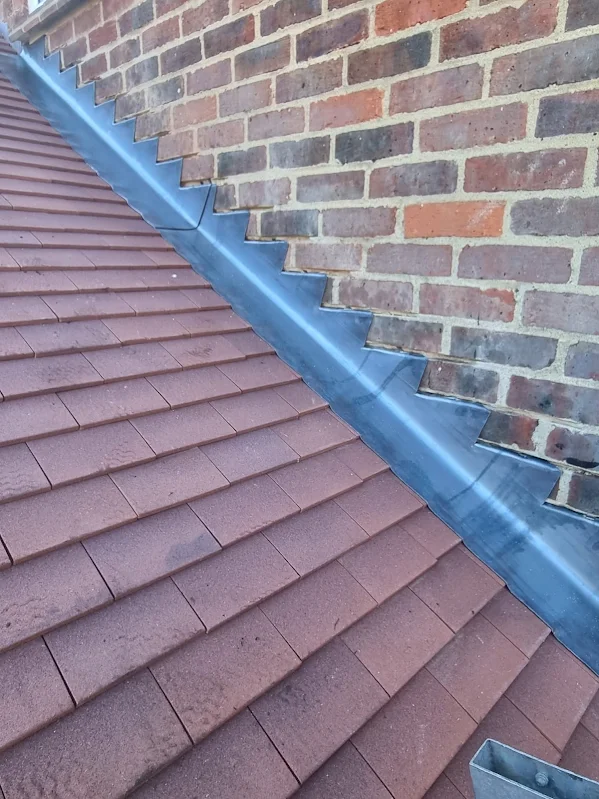
Does Chimney Repointing Require Scaffolding?
Professional repointing standards don’t automatically mandate scaffolding, but they do require safe working conditions that allow for proper mortar removal and application. The Health and Safety Executive guidelines specify that all work at height must be properly planned and executed using appropriate equipment.
Alternative access methods have proven highly effective for many chimney repointing projects. Mobile scaffolding towers, cherry pickers, and specialist ladder systems can provide the stability and positioning needed for quality repointing work whilst reducing setup time and overall project costs.
Do You Need Scaffolding to Take Down a Chimney?
Chimney demolition represents a more complex scenario than standard repointing, typically requiring more extensive access arrangements due to the volume of materials being removed and safety considerations around falling debris. Complete chimney removal often necessitates scaffolding or substantial alternative access systems to ensure worker safety and protect surrounding property.
Partial chimney reduction, such as lowering the stack to roof level, may be achievable using mobile platforms or tower scaffolds depending on the building’s height and surrounding access. The key consideration lies in providing adequate working space and debris management systems that protect both workers and the property below.
| Access Method | Suitable Heights | Typical Cost Range | Setup Time |
|---|---|---|---|
| Ladder System | Up to 4 metres | £200-£400 | 30 minutes |
| Mobile Tower | 4-8 metres | £400-£800 | 1-2 hours |
| Cherry Picker | 8-15 metres | £600-£1,200 | 2-3 hours |
| Full Scaffolding | Any height | £800-£2,000+ | 4-8 hours |
What Is the Average Cost to Have a Chimney Repointed?
Understanding chimney repointing costs helps homeowners budget effectively and evaluate whether scaffolding alternatives offer genuine savings. Regional variations across the UK significantly impact pricing, with London and the South East typically commanding premium rates compared to northern regions.
The complexity of access arrangements directly influences overall project costs, often representing 30-40% of the total repointing expense. Properties requiring full scaffolding systems may see costs increase substantially, making alternative access methods financially attractive where safety permits their use.
| Chimney Type | Without Scaffolding | With Scaffolding | Average Savings |
|---|---|---|---|
| Single Stack (Low) | £800-£1,200 | £1,200-£1,800 | £400-£600 |
| Single Stack (High) | £1,200-£1,600 | £1,800-£2,500 | £600-£900 |
| Multiple Stacks | £1,500-£2,200 | £2,500-£3,500 | £1,000-£1,300 |
| Complex Victorian | £2,000-£3,000 | £3,500-£5,000 | £1,500-£2,000 |
When considering scaffolding alternatives, homeowners should verify that their chosen contractor holds appropriate insurance coverage and follows Construction Industry Scaffolders Record Scheme (CISRS) guidelines where applicable. Professional assessment remains crucial regardless of the access method chosen, ensuring that structural requirements and safety standards are consistently met.
Can You Repoint a Chimney Without Scaffolding: Key Considerations
Successfully repointing a chimney without scaffolding requires careful evaluation of multiple factors that influence both safety and work quality. Property-specific characteristics such as chimney height, surrounding obstacles, and ground conditions all play crucial roles in determining the most appropriate access solution for your particular situation.
Weather conditions significantly impact the feasibility of scaffolding alternatives, with mobile platforms and ladder systems being more sensitive to wind speeds and precipitation than fixed scaffolding structures. Professional contractors will typically postpone work during adverse conditions to maintain safety standards and ensure proper mortar curing.
The final consideration involves balancing immediate cost savings against long-term quality outcomes. Whilst avoiding scaffolding can reduce project expenses, the chosen alternative must still provide adequate working conditions for thorough mortar removal, proper joint preparation, and precise repointing application to ensure lasting results.
Need Help with Chimney Repairs? Talk to one of our Professional Chimney Repairs Experts today!
Can You Repoint a Chimney Without Scaffolding: Frequently Asked Questions
How high can you safely repoint a chimney without scaffolding?
Most professionals consider 6-8 metres the practical limit for scaffolding alternatives, though this varies based on ground conditions and available equipment. Beyond this height, mobile platforms or tower scaffolds typically provide better stability than extended ladder systems.
What are the main alternatives to scaffolding for chimney work?
The primary alternatives include mobile elevated work platforms (MEWPs), tower scaffolds, specialist ladder systems, and cherry pickers. Each option offers different height capabilities and working platform sizes to suit various project requirements.
Is it legal to repoint a chimney without scaffolding in the UK?
UK law doesn’t mandate scaffolding specifically, but requires all work at height to be properly planned with appropriate safety measures as outlined by the Health and Safety Executive. Alternative access methods must meet the same safety standards as traditional scaffolding.
How much money can you save by avoiding scaffolding?
Typical savings range from £400-£1,500 depending on chimney height and complexity, representing 25-40% of total project costs. However, savings should never compromise safety standards or work quality.
What weather conditions prevent using scaffolding alternatives?
Wind speeds exceeding 20mph typically make mobile platforms unsafe, whilst rain and ice create hazardous conditions for all elevated work. Professional contractors will postpone work during adverse weather regardless of access method.
Can DIY homeowners repoint chimneys without scaffolding?
Whilst technically possible for low-level work, DIY chimney repointing carries significant risks and often voids home insurance policies. Professional contractors have specialist equipment, training, and insurance coverage that most homeowners lack.
How long does chimney repointing take without scaffolding?
Projects using alternative access methods often complete faster due to reduced setup time, typically taking 1-3 days versus 3-5 days with traditional scaffolding. Working platform size may slightly extend pointing work duration.
What insurance considerations apply to scaffolding alternatives?
Contractors must carry appropriate public liability and professional indemnity insurance covering their chosen access methods. Homeowners should verify coverage before work begins and notify their home insurer of planned work.
Are there building regulation requirements for chimney repointing?
Most repointing work doesn’t require building regulations approval unless it involves structural modifications or listed building considerations. However, work must comply with relevant British Standards for mortar composition and application techniques.
What is chimney repointing and why is it necessary?
Chimney repointing involves renewing the external mortar joints between bricks or stones to prevent water penetration and structural deterioration. It becomes necessary when existing mortar shows signs of cracking, erosion, or failure that could compromise the chimney’s integrity.
How do you know if your chimney needs repointing?
Key indicators include visible mortar cracks, loose or missing mortar sections, white salt deposits (efflorescence), and internal dampness near the chimney breast. Annual inspections help identify problems before they become serious structural issues.
What type of mortar should be used for chimney repointing?
The mortar must match the original in terms of strength and composition, typically using lime-based mixes for older properties and cement-based mortars for modern construction. Using inappropriate mortar can cause structural damage through differential movement.
How often should chimney repointing be carried out?
Well-executed repointing typically lasts 50-100 years depending on exposure conditions, mortar quality, and maintenance standards. Regular inspections every 5-10 years help identify localised repairs before complete repointing becomes necessary.
Can you repoint a chimney in winter?
Winter repointing is possible but requires careful attention to temperature and weather conditions, as mortar needs adequate curing time and protection from frost. Professional contractors often prefer spring through autumn for optimal working conditions and mortar performance.