

+44 7853 968135
Can you put fascia over existing wood?

Many UK homeowners face the dilemma of whether to replace deteriorating wooden fascia boards entirely or simply cover them with new materials. The good news is that installing fascia over existing wood is not only possible but often represents a practical and cost-effective solution for maintaining your roofline’s integrity and appearance.
This approach can save significant time and money whilst providing excellent protection for your home’s structural elements. However, success depends heavily on the condition of your existing timber and choosing the right covering materials for your specific situation.
Can You Cover Old Fascia Boards?
Covering old fascia boards presents an excellent opportunity to rejuvenate your roofline without the expense and disruption of complete replacement. The key consideration lies in thoroughly assessing the structural integrity of your existing timber before proceeding with any covering system.
Professional roofers typically recommend this approach when the underlying wood remains structurally sound, with only surface-level weathering or cosmetic damage present. The existing fascia must be firmly attached to the rafter ends and free from significant rot, warping, or pest damage that could compromise the new covering’s performance.
Before covering old boards, essential preparation work includes treating any minor rot spots, securing loose sections, and ensuring proper drainage to prevent future moisture problems. This preparation phase often determines the long-term success of your fascia covering project.
Need some Support with your Fascia and Soffits? Speak with a member of our Professional Fascia and Soffits Team here
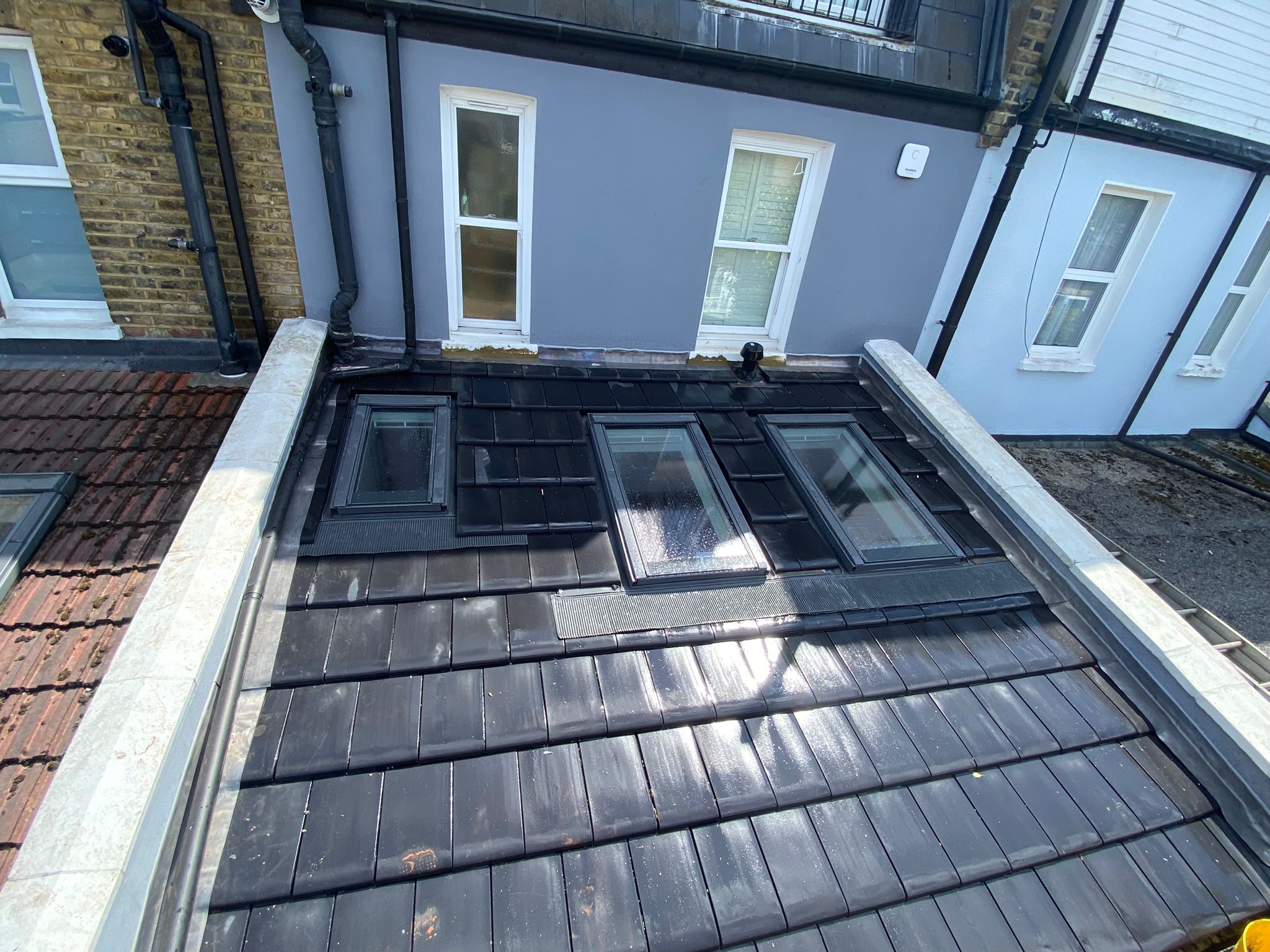
Can You Put Metal Fascia Over Existing Wood?
Metal fascia systems offer exceptional durability and weather resistance when installed over existing wooden boards. Aluminium represents the most popular choice among UK homeowners due to its lightweight properties, corrosion resistance, and ability to accommodate thermal expansion without cracking or warping.
The installation process involves securing metal fascia covers directly to the existing timber using appropriate fixings that penetrate through to the rafter structure beneath. This dual-fixing approach ensures both the covering and original board work together to provide enhanced structural support for guttering systems.
Steel fascia options provide superior strength but require careful attention to corrosion protection, particularly in coastal areas where salt exposure accelerates rusting. Powder-coated finishes on both aluminium and steel systems offer excellent colour retention and can be matched to existing roofline elements for a cohesive appearance.
Is Capping Fascia Better Than Replacement?
Fascia capping often proves superior to full replacement when existing timber remains structurally viable, offering numerous practical and financial advantages. Cost savings typically range from 40-60% compared to complete board replacement, whilst installation time reduces significantly as there’s no need for complex structural work or waste disposal.
Environmental benefits include reducing timber waste and preserving existing structural elements that may have decades of serviceable life remaining. Modern capping systems also provide superior weather protection compared to traditional painted timber, with many manufacturers offering 20-year guarantees on their products.
However, capping isn’t suitable for severely damaged boards where structural integrity has been compromised. Professional assessment becomes crucial in determining whether your existing fascia can adequately support both the covering system and future gutter loading requirements. simultaneous replacement. New components alongside weathered existing materials create an uneven appearance that can negatively impact your property’s kerb appeal and value.
Can You Fit Plastic Soffits Over Wood?
| Plastic Soffit Installation Considerations | Details |
|---|---|
| Existing Wood Condition | Must be dry, secure, and pest-free |
| Ventilation Requirements | Minimum 10,000mm² per metre run |
| Fixing Centres | Maximum 400mm for standard boards |
| Expansion Gaps | 6mm minimum at board ends |
| Support Brackets | Required every 600mm maximum |
Plastic soffit systems provide excellent ventilation control and weather resistance when fitted over existing wooden boards. uPVC soffits offer particular advantages in terms of maintenance requirements, as they never need painting and resist warping, cracking, and insect damage that commonly affects timber alternatives.
Installation involves creating a framework that allows the plastic panels to move naturally with temperature changes whilst maintaining proper ventilation pathways. The existing wood provides an excellent base for fixing points, but care must be taken to ensure adequate airflow isn’t restricted by the covering process.
Ventilation remains critical for preventing condensation problems in roof spaces, so any soffit covering system must incorporate proper venting solutions. Modern plastic soffits include integral ventilation strips or can accommodate separate vent inserts to maintain healthy airflow patterns.
Moisture Management in Covered Fascia Systems
| Moisture Control Methods | Benefits |
|---|---|
| Vapour Barriers | Prevents moisture penetration |
| Drainage Channels | Redirects water away from timber |
| Ventilation Gaps | Allows air circulation |
| Sealant Application | Prevents water ingress at joints |
| Regular Inspections | Early detection of problems |
Effective moisture management becomes paramount when covering existing wooden fascia boards, as trapped moisture can accelerate decay and compromise the entire roofline system. Proper installation techniques must include provisions for any moisture that might penetrate the covering system to escape without causing damage to the underlying timber.
Creating small drainage channels and ensuring adequate ventilation behind covering materials helps maintain the longevity of both old and new components. Professional installers often incorporate breathable membranes that allow moisture vapour to escape whilst preventing liquid water from reaching the timber surface.
Regular maintenance checks should focus on monitoring the condition of seals around joints and ensuring that guttering systems aren’t allowing water to penetrate behind the covering materials. Early intervention can prevent minor issues from developing into costly structural problems.
Understanding the Benefits of Fascia Over Existing Wood Installation
Installing fascia coverings over existing wood delivers multiple advantages that make this approach increasingly popular among UK property owners. The primary benefit centres on cost-effectiveness, as homeowners can achieve a complete roofline transformation without the expense of full structural replacement work.
Time savings represent another crucial advantage, with most covering installations completed within one to two days compared to the week-long process often required for complete fascia replacement. This reduced disruption particularly appeals to occupied properties where minimising construction interference remains a priority.
The enhanced weather protection provided by modern covering systems often exceeds that of replacement timber boards, particularly when quality materials like powder-coated aluminium or high-grade uPVC are selected. These materials resist the UV degradation, moisture absorption, and thermal movement that commonly cause problems with traditional wooden fascia systems.
Key advantages of this approach include:
Need Help with Fascia and Soffit Matters? Talk to one of our Fascia and Soffits Experts today!
Can You Put Fascia Over Existing Wood: Essential Questions Answered
Can you install fascia coverings over painted wooden boards?
Yes, fascia coverings can be installed over painted wooden boards provided the paint isn’t flaking excessively and the underlying timber remains structurally sound. Professional preparation may involve light sanding to create a suitable surface for adhesion and fixing points to ensure long-term stability of the covering system.
What’s the minimum thickness of existing timber needed for covering systems?
Existing timber should be at least 18mm thick to provide adequate fixing points for covering systems, though 25mm represents the preferred minimum for optimal structural support. Thinner boards may require additional backing support or complete replacement to ensure reliable attachment of covering materials and associated guttering systems.
How long do fascia coverings typically last over existing wood?
Quality fascia coverings over sound existing timber typically last 15-25 years with minimal maintenance, often outlasting the lifespan of replacement wooden boards. The longevity depends heavily on material choice, installation quality, and local weather conditions, with aluminium and uPVC systems generally providing the longest service life.
Can you cover fascia boards that have minor rot damage?
Minor surface rot can often be treated and covered successfully, but any structural rot requires board replacement before covering installation. Professional assessment helps determine whether localised repairs and preservative treatment can restore sufficient structural integrity for safe covering system installation.
Do building regulations apply to fascia covering installations?
Building regulations typically don’t apply to like-for-like fascia covering work, but planning permission may be required in conservation areas or for listed buildings. Local authority guidance should be sought for properties with specific planning constraints, particularly when changing materials or significantly altering the roofline appearance.
What’s the best season for installing fascia coverings over existing wood?
Spring and early autumn provide optimal conditions for fascia covering installation, offering mild temperatures and minimal rainfall that facilitate proper adhesion and curing of sealants. Winter installations remain possible but may require additional weather protection measures and extended curing times for optimal results.
Can you remove fascia coverings if needed in the future?
Most fascia covering systems can be removed if necessary, though this process may cause some damage to the underlying timber surface. Mechanical fixing systems prove easier to remove than adhesive-based installations, making future maintenance or upgrades more straightforward without requiring complete board replacement.
How do you maintain proper ventilation when covering wooden soffits?
Adequate ventilation requires careful planning during installation to ensure covering materials don’t block existing vents or airflow pathways. Modern covering systems often incorporate purpose-designed ventilation solutions that maintain or improve airflow compared to traditional timber installations, preventing condensation problems in roof spaces.
What tools are needed for DIY fascia covering installation?
Basic fascia covering installation requires measuring tools, a drill with appropriate bits, tin snips or fine-tooth saw, safety equipment, and weatherproof sealants. However, working at height presents significant safety risks, making professional installation advisable for most homeowners to ensure both safety and optimal results.
Can you paint or stain fascia coverings after installation?
Pre-finished covering materials like powder-coated aluminium or coloured uPVC shouldn’t require painting and may void warranties if painted over. However, some covering systems accept paint applications if colour changes are desired, though manufacturer recommendations should be followed to maintain weather resistance and guarantee coverage.
How do you handle corners and joints when covering existing fascia?
Professional corner and joint treatment involves purpose-made corner pieces, weatherproof sealants, and proper overlap techniques to prevent water ingress. These critical areas require careful attention during installation as they represent the most vulnerable points for water penetration and long-term system failure.
What weight can existing wooden fascia support with covering systems?
The load-bearing capacity depends on the existing timber’s condition, size, and fixing method to the rafters, but generally should accommodate standard guttering plus normal snow and wind loads. Additional structural assessment may be required for heavy guttering systems or areas subject to extreme weather conditions to ensure adequate support capacity.
Can you install fascia coverings over multiple board widths simultaneously?
Covering systems can often accommodate slight variations in board width through adjustable fixing methods and trim pieces, though significant differences may require custom solutions. Professional measurement and planning help ensure consistent appearance and proper weather sealing across varying board dimensions for optimal aesthetic and functional results.
Are there specific requirements for coastal area installations?
Coastal installations require enhanced corrosion resistance through marine-grade materials and additional weatherproofing measures due to salt exposure and extreme weather conditions. For more detailed guidance on building requirements in coastal areas, the UK Government’s coastal flood risk guidance provides valuable information about construction considerations, whilst specific planning requirements can be found through the Planning Portal’s guidance on coastal development.