

+44 7853 968135
Can you get a grant for a new roof?

Homeowners across the UK often wonder whether financial assistance exists for essential roof repairs and replacements. The reality is that several grant schemes and funding options are available, though eligibility criteria vary significantly depending on your circumstances, location, and the condition of your property.
Understanding these opportunities can make the difference between delaying crucial roof work and securing the funding needed to protect your home. From government-backed initiatives to local authority programmes, various pathways exist to help reduce the financial burden of roofing projects.
How Much Roofing Grant Can I Get?
The amount you can receive through roofing grants varies considerably based on the specific scheme and your individual circumstances. Most government grants range from £5,000 to £25,000, with some exceptional cases receiving higher amounts for extensive structural work.
Local Authority Disabled Facilities Grants typically offer up to £30,000 for essential home improvements, including roofing work that affects accessibility or safety. The ECO4 scheme, administered through energy companies, can provide substantial funding for insulation and roof improvements, particularly for households receiving qualifying benefits or meeting low-income criteria.
Need some Support with your Roof Replacements? Speak with a member of our Professional Roof Replacement Team here
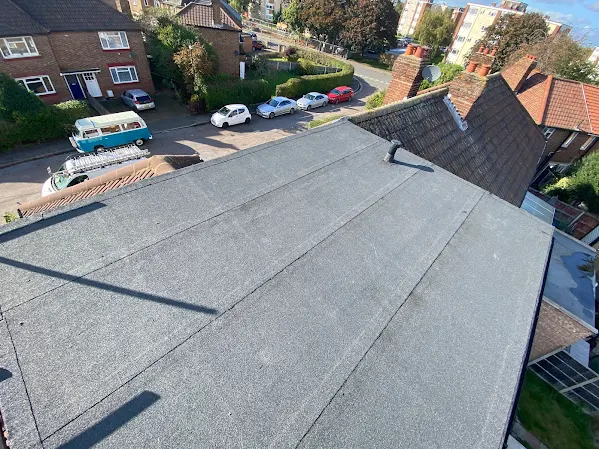
Understanding the Requirements for a Grant on a New Roof
Eligibility requirements for roofing grants typically focus on several key factors that demonstrate genuine need and ensure public funding reaches those who require it most. Most schemes require proof of income, with many targeting households earning below specific thresholds or receiving means-tested benefits such as Pension Credit, Income Support, or Universal Credit.
Property condition assessments form another crucial requirement, with surveyors evaluating whether roof work is essential for health, safety, or energy efficiency. Age restrictions often apply, with many grants prioritising homeowners over 60 or families with young children, whilst some schemes specifically target properties built before certain dates to address older housing stock issues.
| Grant Type | Income Threshold | Age Requirements | Property Criteria |
|---|---|---|---|
| ECO4 Scheme | Benefit recipients or low income | None | Energy inefficient homes (EPC D-G) |
| Disabled Facilities Grant | Means-tested | Disabled occupant | Accessibility needs |
| Local Authority Grants | Varies by council | Often 60+ | Poor property condition |
| Home Improvement Loans | Credit assessment | 18+ | Homeowner status |
What if I Cannot Get a Roofing Grant?
Alternative funding options exist for homeowners who don’t qualify for traditional grant schemes, ensuring that essential roof work doesn’t have to be indefinitely postponed. Many local authorities offer low-interest home improvement loans with favourable repayment terms, making roof replacement more affordable through manageable monthly payments.
Specialist roofing finance companies provide tailored solutions including 0% APR deals for qualifying customers, whilst some roofing contractors offer in-house payment plans that spread costs over several years. Credit unions frequently offer personal loans at competitive rates for home improvements, and remortgaging or secured loans against property equity can provide access to larger sums at lower interest rates than unsecured borrowing.
What if I Cannot Get a Roofing Grant?
Alternative funding options exist for homeowners who don’t qualify for traditional grant schemes, ensuring that essential roof work doesn’t have to be indefinitely postponed. Many local authorities offer low-interest home improvement loans with favourable repayment terms, making roof replacement more affordable through manageable monthly payments.
Specialist roofing finance companies provide tailored solutions including 0% APR deals for qualifying customers, whilst some roofing contractors offer in-house payment plans that spread costs over several years. Credit unions frequently offer personal loans at competitive rates for home improvements, and remortgaging or secured loans against property equity can provide access to larger sums at lower interest rates than unsecured borrowing.
How Do I Get a Grant on My New Roof?
The application process begins with identifying which schemes you’re eligible for based on your personal circumstances, income level, and property requirements. Contact your local authority’s housing department to discuss available programmes in your area, as many councils operate their own grant schemes alongside national initiatives.
Gather essential documentation including proof of income, property ownership, recent utility bills, and any relevant medical certificates if applying for disability-related grants. Most applications require professional surveys or quotes from approved contractors, so research accredited installers who understand grant scheme requirements and can provide compliant estimates that support your application.
| Application Steps | Timeline | Required Documents | Success Tips |
|---|---|---|---|
| Initial eligibility check | 1-2 weeks | Income proof, property details | Research multiple schemes |
| Professional survey | 2-3 weeks | Property access, current conditions | Use approved surveyors |
| Formal application | 4-8 weeks | Complete documentation | Submit early in financial year |
| Assessment and approval | 6-12 weeks | Additional evidence if requested | Maintain communication |
The UK government provides comprehensive guidance on home improvement grants through the GOV.UK housing support portal, which includes detailed information about national schemes and local authority programmes. Additionally, the Energy Saving Trust website offers specific guidance on energy efficiency grants that often include roofing improvements.s.
Securing Your Roofing Grant Successfully
Successfully obtaining a roofing grant requires thorough preparation, patience, and understanding that competition for funding can be intense, particularly during peak application periods. The key lies in demonstrating clear need, providing comprehensive documentation, and choosing the most appropriate scheme for your specific circumstances rather than applying randomly to multiple programmes.
Professional advice from housing associations, Citizens Advice, or specialist grant advisors can significantly improve your chances of success by ensuring applications are completed correctly and targeting the most suitable funding sources. Many successful applicants report that persistence and maintaining communication with grant administrators throughout the process proves crucial for navigating any challenges that arise.
The landscape of roofing grants continues to evolve, with new schemes regularly introduced and existing programmes updated to reflect changing priorities around energy efficiency and housing quality. Staying informed about these developments and acting promptly when eligible opportunities arise maximises your chances of securing the funding needed for essential roof work.
Key takeaways for roofing grant success:
Need Help with Replacing your Roof? Talk to one of our Roof Replacement Experts today!
Can You Get a Grant for a New Roof: Frequently Asked Questions
Who qualifies for government roofing grants in the UK?
Qualification typically depends on household income, age, disability status, and property condition, with most schemes targeting low-income families, pensioners, or those receiving means-tested benefits. Each grant programme has specific eligibility criteria, so it’s essential to check requirements for multiple schemes to find the best match.
How long does the roofing grant application process take?
The complete process usually takes between 3-6 months from initial application to final approval, though this varies significantly between different grant schemes and local authorities. Complex cases requiring additional assessments or documentation may take longer.
Can I apply for multiple roofing grants simultaneously?
Most grant schemes prohibit receiving funding from multiple sources for the same project, though you may be able to combine certain grants with loans or other financing options. Always declare any other applications or funding sources when applying.
What documentation do I need for a roofing grant application?
Essential documents include proof of income, property ownership certificates, recent utility bills, contractor quotes, and professional structural surveys. Some schemes may require additional evidence such as medical certificates or energy performance certificates.
Are there grants specifically for elderly homeowners needing new roofs?
Yes, many local authorities operate grants specifically for homeowners over 60, whilst the ECO4 scheme prioritises vulnerable households including elderly residents. The Age UK website provides comprehensive guidance on grants available to older homeowners for home improvements.
What happens if my roofing grant application is rejected?
You can usually appeal the decision or reapply with additional evidence, whilst alternative options include different grant schemes, low-interest loans, or contractor payment plans. Many councils offer housing advice services to help explore alternative funding routes.
Do roofing grants cover the full cost of a new roof?
Grants rarely cover 100% of costs, with most requiring some homeowner contribution ranging from 10-50% of the total project cost. The exact contribution depends on the specific scheme and your financial circumstances.
Can tenants apply for roofing grants or only homeowners?
Most roofing grants are exclusively for homeowners, though some schemes may consider long-term leaseholders with repairing obligations. Tenants should contact their landlord about roof repairs, as these are typically the property owner’s responsibility.
Are there regional differences in roofing grant availability?
Yes, grant availability varies significantly between different local authorities, with some councils offering generous schemes whilst others provide limited funding. Welsh and Scottish governments operate separate grant programmes with different eligibility criteria than English schemes.
What types of roof work qualify for grant funding?
Eligible work typically includes structural repairs, complete replacements, insulation improvements, and safety-related modifications, though cosmetic improvements rarely qualify. The work must generally be deemed essential for health, safety, or energy efficiency rather than purely aesthetic.
How do I find approved contractors for grant-funded roofing work?
Most grant schemes maintain lists of approved contractors who understand compliance requirements and can provide suitable quotes. Your local authority or grant administrator can provide these lists, ensuring work meets required standards.
Can I use a roofing grant for solar panel installation?
Some grants specifically support renewable energy installations including solar panels, though these are typically separate from basic roofing grants. The combination of roof replacement and solar installation may qualify for multiple funding streams.
What is the ECO4 scheme and how does it help with roofing costs?
ECO4 is a government energy efficiency scheme that provides grants for insulation and heating improvements, including roof insulation and repairs for eligible low-income households. More information about ECO4 eligibility and applications is available through the Ofgem website.
Are there emergency grants available for urgent roof repairs?
Some local authorities maintain emergency repair funds for urgent situations that pose immediate health or safety risks, though these typically provide temporary solutions rather than complete roof replacements. Contact your council’s housing department immediately if your roof poses immediate danger.