

+44 7853 968135
How to tell if a chimney is structural or load bearing

Chimneys are one of those features of a British home that most people take entirely for granted. They sit there, solid and reassuring, and nobody gives much thought to what they are actually doing within the fabric of the building. That changes quickly the moment you want to remove one.
Whether you are planning a renovation, opening up a room, or simply trying to understand your home better, knowing how to tell if a chimney is structural or load bearing is genuinely important. Getting this wrong does not just cause problems for your build; it can compromise the structural integrity of the entire property.
Are Chimneys Ever Load-Bearing, and How Do I Know?
The short answer is yes: chimneys absolutely can be load-bearing, and in many UK properties they are. This is particularly common in Victorian and Edwardian terraced houses, where the chimney breast runs through the centre of the building and carries the weight of floors, walls, and in some cases roof structures above it. The assumption that a chimney is simply a decorative or functional feature for a fireplace is one of the most costly mistakes homeowners make during renovation.
A load-bearing chimney is one that forms part of the structural framework of the building, meaning other elements depend on it for support. If you remove a load-bearing chimney breast without correctly redistributing the loads it carries, you risk serious structural movement, cracking, and in extreme cases partial collapse. This is not a scenario where you can rely on guesswork.
Need some Support with your chimney removal? Speak with a member of our Professional Chimney Removal Team here
Are Chimneys Structural in the UK? What the Evidence Tells You
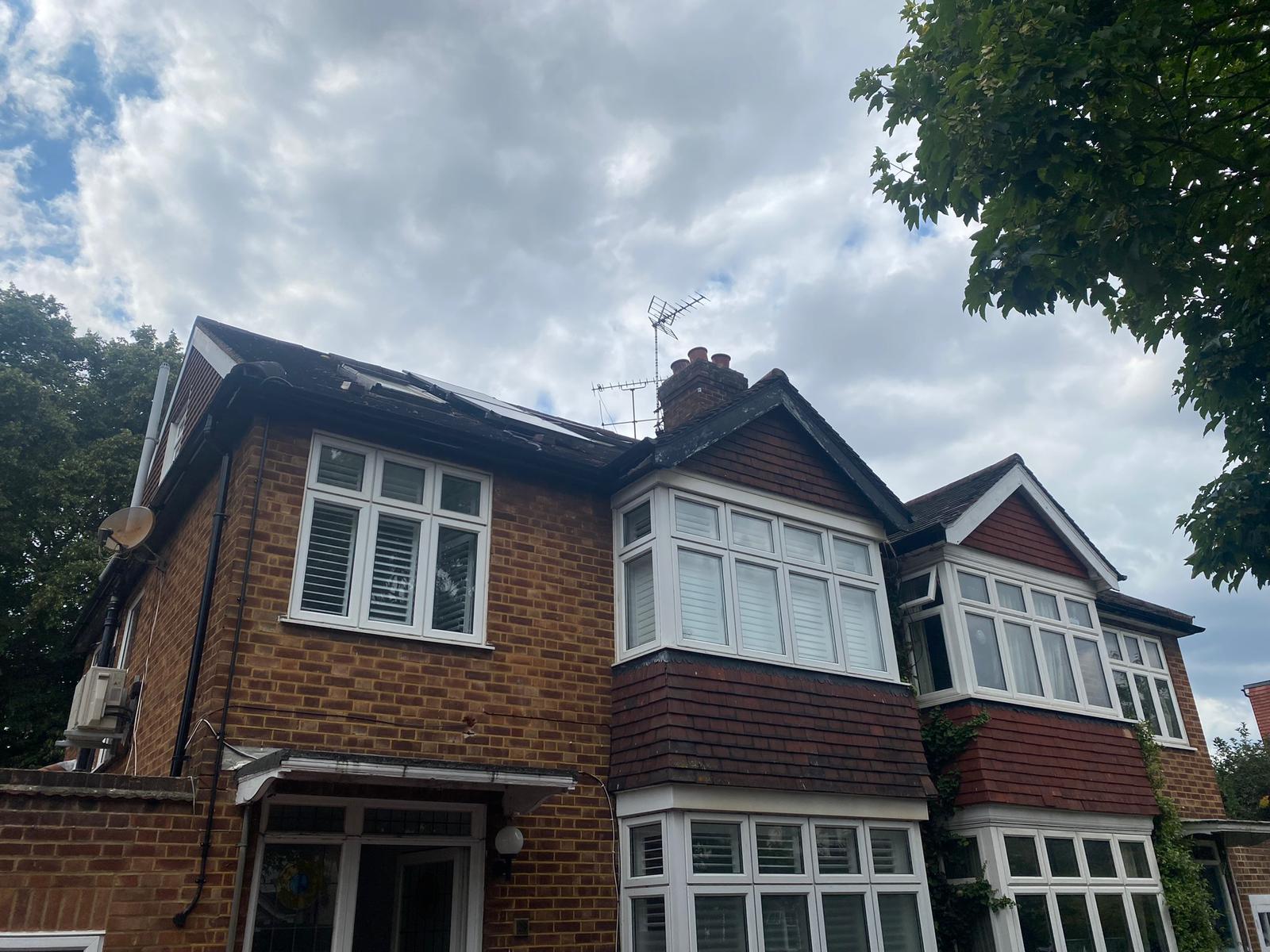
In the UK, chimney breasts were commonly built as a central structural element, particularly in homes constructed between roughly 1850 and 1940. The chimney stack on the roof is almost always supported by the chimney breast running through the floors below, and in many cases the breast itself supports joists, floor beams, or party walls. So the question of whether chimneys are structural in the UK is not academic; for a large proportion of the housing stock, they very much are.
The clearest indicators that a chimney is structural come from looking at what sits above and around it. If the chimney breast continues through multiple storeys, if floor joists are visibly notched into it, or if removing a section in a lower room would leave the upper breast unsupported in mid-air, you are almost certainly dealing with a structural element. These “flying breast” situations, where the upper chimney breast has already been removed but the lower one remains, are a recognised structural risk that RICS-qualified surveyors will always flag on a building survey.
| Property Type | Likelihood of Structural Chimney |
|---|---|
| Victorian terraced (pre-1900) | Very High |
| Edwardian semi-detached (1900-1918) | High |
| Inter-war semi-detached (1918-1939) | Moderate to High |
| Post-war detached (1945-1970) | Low to Moderate |
| Modern new build (post-1980) | Very Low |
| Converted barn or outbuilding | Variable; always survey |
How to Check if a Chimney Is Supported
Checking whether a chimney is properly supported, or whether it is doing the supporting itself, requires a methodical approach. Start from the top and work downwards: inspect the roof structure to see whether the chimney stack sits independently on its own foundations or whether it bears down through the building via a breast. In most traditionally built UK homes, the stack is the visible tip of a continuous masonry element that runs all the way to the ground, and every section of it carries load from above.
Inside the property, the most useful thing you can do is examine what happens to the chimney breast at each floor level. Open up the ceiling void if possible, or access the loft to see how the structure behaves around the chimney. If floor joists are running into or resting against the breast, that is a strong indication the breast is doing structural work. At this point, a structural engineer should be your next call, not a builder; they will assess the loads and specify any necessary steelwork before any removal takes place.
| Check | What It Indicates |
|---|---|
| Chimney breast present on multiple floors | Likely structural; removal requires engineer sign-off |
| Joists notched or bearing into breast | Structural dependency confirmed |
| Upper breast already removed (flying breast) | Existing structural risk; urgent survey required |
| Breast sits on own padstone or foundation | May be self-supporting; still confirm with engineer |
| Stack leans or has visible cracking | Structural movement; do not remove without assessment |
| Breast is freestanding below removed upper section | Load not redistributed; risk of collapse |
For guidance on what permissions may be required when altering structural elements, the Planning Portal is a useful starting point, and any structural work will typically fall under Building Regulations as administered by your local authority building control team. You can find further information on building control requirements through GOV.UK’s guidance on building regulations approval.h load-bearing elements safely and effectively.
How to Tell if a Chimney Is Structural or Load Bearing: What You Need to Know Before You Proceed
Understanding how to tell if a chimney is structural or load bearing is not just a technical curiosity; it is a matter of safety, legality, and cost. Removing a chimney breast without the correct structural assessment and Building Regulations approval is an offence under UK building law, and it also creates serious problems when you come to sell the property. Mortgage lenders and conveyancers will ask for evidence that any chimney removal was done with proper sign-off, and without it, a sale can collapse entirely.
The safest and most sensible approach is to commission a structural engineer before any work begins. Many people assume a builder can advise them on this, and while an experienced builder may have a strong instinct, only a chartered structural engineer can calculate the loads accurately and specify the correct steel or timber supports. The cost of that assessment is modest compared to the cost of undoing poorly executed work or, worse still, dealing with the consequences of structural failure.
Chimney removal in UK homes is something that thousands of homeowners do successfully every year, but the ones who do it without incident are the ones who took the structural question seriously from the outset. The physical clues are there if you know what to look for, but a professional opinion is not optional; it is the foundation on which everything else should rest.
Need Help with Chimney Removal? Talk to one of our Professional Chimney Removal Experts today!
How to Tell if a Chimney Is Structural or Load Bearing: Frequently Asked Questions
What is the difference between a structural chimney and a non-structural one?
A structural chimney breast forms part of the building’s load-bearing framework, supporting floors, walls, or the roof above it. A non-structural chimney may house a flue but does not carry any meaningful load from the building around it.
Can I remove a chimney breast myself?
Chimney breast removal is notifiable work under UK Building Regulations, meaning it must be approved by your local authority building control or a registered inspector. Attempting this without approval is illegal and can create serious problems when selling the property.
Do I always need a structural engineer before removing a chimney?
Yes, in virtually all cases a structural engineer should assess the chimney before any removal begins. They calculate the loads involved and specify the steel beam or other support needed to safely redistribute weight.
What is a flying chimney breast?
A flying chimney breast occurs when an upper section of chimney breast has been removed but the lower section remains, leaving the upper breast unsupported. This is a recognised structural risk and should be assessed by a professional immediately.
How can I tell if a chimney breast is load-bearing just by looking?
If the breast continues through multiple floors and the stack is still present above, the likelihood of structural involvement is high. Visible joists or beams running into the breast are a strong confirmation.
Does removing a chimney require planning permission?
Internal chimney breast removal generally falls under Building Regulations rather than planning permission, though you should check with your local planning authority if the property is listed or in a conservation area.
Are all chimney stacks structural?
The stack itself sits on the breast below and is not usually load-bearing in the sense of carrying floor loads, but its weight is borne by the breast beneath it. Removing the breast without accounting for this creates a serious imbalance.
What is a chimney breast?
A chimney breast is the section of masonry wall that projects into a room and contains the flue. For a full explanation of chimney construction and its role in UK housing, the Wikipedia article on chimneys provides a clear and detailed overview.
How much does it cost to have a structural engineer assess a chimney?
Costs vary, but a structural engineer’s assessment for chimney removal typically ranges from £200 to £500 in the UK, depending on the complexity of the structure and the engineer’s location.
What Building Regulations apply to chimney breast removal?
Chimney breast removal falls under Part A (Structure) of the Building Regulations in England. Your local authority building control team can provide guidance, and further information is available through GOV.UK’s Building Regulations guidance.
Can a chimney be structural in a newer property?
It is less common in homes built after 1945, but not impossible; always check rather than assume. Any chimney in any property should be assessed before removal.
What happens if I remove a structural chimney without support?
Without redistributing the loads correctly, you risk significant structural movement, cracking of walls and ceilings, floor settlement, and in serious cases partial collapse of the building above.
How long does it take to get Building Regulations approval for chimney work?
Full plans approval can take up to five weeks, though many contractors use the building notice route, which allows work to begin sooner but is still subject to inspection. Always confirm timescales with your local authority.
Should I get a survey before buying a home with a removed chimney breast?
Yes, absolutely. A RICS HomeBuyer Survey or full building survey will identify whether a previous chimney removal was done correctly, whether the appropriate steel was installed, and whether there is any ongoing structural movement as a result.