

+44 7853 968135
What is bitumen waterproofing?

If you have ever looked at a flat roof and wondered what that dark, rubbery coating is, the answer is almost certainly bitumen. Bitumen waterproofing is one of the oldest and most widely used methods of protecting buildings from water ingress, and it remains a go-to solution across residential, commercial, and civil engineering projects throughout the UK. Understanding what it is, how it works, and where it fits into a building project is essential knowledge for any property owner, builder, or facilities manager.
Bitumen itself is a naturally occurring, viscous material derived from crude oil. In waterproofing applications, it is processed and modified to create membranes, coatings, and felt systems that form a seamless, water-resistant barrier over a surface. The material bonds tightly to substrates including concrete, timber, and metal, making it exceptionally versatile for a wide range of construction contexts.
What Is Bituminous Waterproofing Used For?
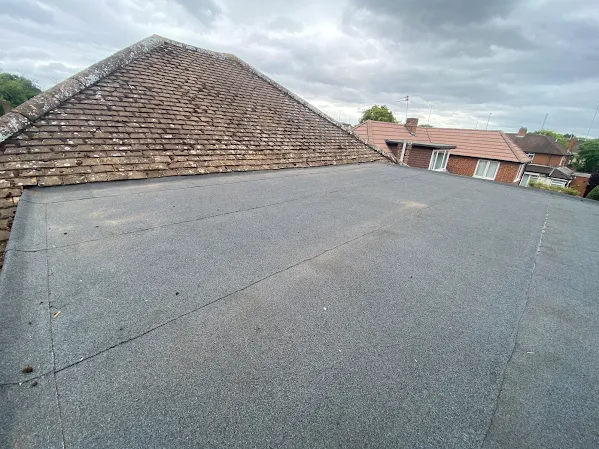
Bituminous waterproofing is applied wherever a building is vulnerable to sustained water exposure. Flat and low-pitched roofs are the most common application in the UK, where torch-on felt systems and cold-applied liquid bitumen coatings are used to protect the roof deck from rainwater, pooling, and freeze-thaw cycles. It is also regularly specified for below-ground structures such as basements, retaining walls, and foundations, where hydrostatic pressure from groundwater presents an ongoing challenge.
Beyond roofing and below-ground use, bituminous systems are frequently found on bridges, car park decks, balconies, and podium structures. In civil engineering, hot-applied bitumen forms the binding agent in asphalt road surfaces, which technically makes it one of the most ubiquitous waterproofing materials in existence. Its adaptability across so many contexts is one of the primary reasons it has remained a mainstream specification choice for well over a century.
| Application Type | Common Bitumen System Used |
|---|---|
| Flat roofs | Torch-on felt, SBS/APP modified membranes |
| Basements and foundations | Self-adhesive or cold-applied bitumen membranes |
| Bridge decks | Hot-applied mastic asphalt |
| Balconies and terraces | Liquid bitumen coatings |
| Retaining walls | Bitumen paint or spray-applied membranes |
| Road surfaces | Bitumen-bound asphalt |
Need some Support with Flat Roofing? Speak with a member of our Professional Flat Roofing Team here
How Much Does Bituminous Waterproofing Cost in the UK?
The cost of bituminous waterproofing varies considerably depending on the system specified, the complexity of the substrate, and the size of the area being treated. For a standard domestic flat roof using a torch-on felt system, UK contractors typically charge between £40 and £80 per square metre for supply and installation. Cold-applied liquid bitumen coatings at the more affordable end of the market can fall below £20 per square metre for straightforward applications, while high-specification modified membranes for commercial projects can exceed £100 per square metre once labour, primer, and detailing are accounted for.
It is worth noting that cost comparisons between bitumen and alternative waterproofing systems such as EPDM rubber or GRP fibreglass can be misleading if lifespan is not factored in. A cheaper bitumen felt system installed at a lower upfront cost may require more frequent maintenance or earlier replacement than a premium modified membrane, which could represent a higher total lifecycle cost over a 25-year period. Getting multiple quotes from contractors registered with the National Federation of Roofing Contractors (NFRC) is always advisable before committing to a system.
| Bitumen System | Approximate UK Cost per m² | Typical Lifespan |
|---|---|---|
| Standard bitumen felt (3-layer) | £40 to £60 | 10 to 15 years |
| Torch-on SBS modified membrane | £60 to £80 | 20 to 25 years |
| APP modified torch-on membrane | £65 to £85 | 20 to 30 years |
| Cold-applied liquid bitumen | £15 to £40 | 5 to 15 years |
| Hot-applied mastic asphalt | £80 to £120 | 30 to 50 years |
How Long Does Bitumen Waterproofing Last?
The lifespan of bitumen waterproofing depends heavily on the type of system installed and the quality of the workmanship. A basic single-layer bitumen felt roof, commonly found on older domestic extensions and outbuildings across the UK, will typically last between 10 and 15 years before degradation becomes problematic. In contrast, a properly installed two or three-layer torch-on system using SBS or APP polymer-modified bitumen can perform reliably for 20 to 30 years, particularly when installed with adequate drainage and regular maintenance inspections.
Hot-applied mastic asphalt is at the premium end of the bitumen spectrum and, when correctly specified and installed by qualified operatives, can last anywhere from 30 to 50 years. Longevity is also strongly influenced by environmental factors: UV exposure causes surface oxidisation and cracking over time, ponding water accelerates deterioration at laps and seams, and physical foot traffic without adequate protection boards will shorten the lifespan of any membrane. Scheduling an inspection every two to three years is a sensible approach to catching minor defects before they develop into costly failures.
Relevant guidance on construction waterproofing standards and building regulations compliance can be found at GOV.UK Planning Portal and through the Health and Safety Executive (HSE), which provides guidance on safe working practices during roofing and waterproofing installations.
What Are the Disadvantages of Bituminous Waterproofing?
Bitumen waterproofing is not without its limitations, and understanding them is just as important as knowing its strengths. One of the most significant drawbacks is its sensitivity to temperature extremes. In very cold conditions, standard bitumen becomes brittle and prone to cracking, while in prolonged high heat it can soften, blister, or slide on inclined surfaces. This is why polymer-modified bitumen (which incorporates SBS or APP additives) was developed: to improve flexibility and thermal stability, though even modified systems are not immune to these challenges.
Another notable disadvantage is the environmental profile of bitumen as a petroleum-derived material. The torch-on application process generates fumes that require adequate ventilation and appropriate personal protective equipment for operatives, as outlined in HSE guidance on roofing work. Disposal of old bitumen felt is also a consideration, as it cannot be recycled through standard waste streams and must be disposed of as controlled waste. For property owners focused on sustainability credentials, alternative systems such as green roofing substrates or recycled rubber membranes may warrant comparison, though bitumen’s sheer performance record and cost-effectiveness continue to make it the dominant choice across UK construction.
Understanding What Bitumen Waterproofing Is and Whether It Is Right for Your Project
Bitumen waterproofing has earned its place as one of the most dependable, widely specified, and cost-effective protective systems in UK construction. From straightforward domestic flat roofs to complex civil engineering structures, it offers a proven track record that few alternative materials can match for sheer versatility across different substrates, climates, and budget levels. The key is in selecting the right type of bitumen system for the specific demands of your project rather than defaulting to the cheapest option available.
When considering any waterproofing project, particularly one involving structural elements or habitable spaces below ground, it is worth engaging a qualified surveyor or waterproofing specialist who can advise on the appropriate British Standard specification. BS 8102:2009, which covers the protection of below-ground structures against water ingress, provides the benchmark framework for basement and substructure waterproofing design in the UK. Working within these frameworks not only protects the integrity of the building but also safeguards against warranty and insurance complications further down the line.
Ultimately, bitumen waterproofing remains a strong and sensible choice for most mainstream applications, provided it is correctly specified, professionally installed, and subject to periodic maintenance. Property owners who take the time to understand the system they are investing in and maintain it appropriately will find that bitumen delivers excellent long-term value across the full range of its applications.
Need Help with Flat Roofing Matters? Talk to one of our Flat Roofing Experts today!
What Is Bitumen Waterproofing: Frequently Asked Questions
What is bitumen waterproofing made from?
Bitumen waterproofing is derived from crude oil and refined into a viscous, black material that forms a highly adhesive, water-resistant layer. It is often blended with polymers such as SBS (styrene-butadiene-styrene) or APP (atactic polypropylene) to improve its flexibility and durability.
Is bitumen waterproofing suitable for flat roofs in the UK?
Yes, it is one of the most commonly used systems for flat roofs across the UK, particularly in torch-on and self-adhesive membrane formats. Its suitability for the UK’s wet climate and variable temperatures makes it a well-established specification for both domestic and commercial flat roof projects.
What is the difference between SBS and APP modified bitumen?
SBS-modified bitumen remains flexible at low temperatures, making it well suited to cold climates, while APP-modified bitumen offers superior resistance to heat and UV exposure. The choice between them depends on the roof’s orientation, sun exposure, and the local climate conditions.
Can bitumen waterproofing be applied to vertical surfaces?
Yes, self-adhesive and cold-applied liquid bitumen products are regularly used on vertical surfaces such as basement walls, retaining walls, and bridge abutments. Torch-on membranes can also be applied vertically by experienced operatives, though the process requires care to prevent the material from sagging during application.
Does bituminous waterproofing require planning permission?
In most cases, routine waterproofing or re-roofing of an existing structure does not require planning permission, though listed buildings and properties within conservation areas may be subject to additional restrictions. It is advisable to check with your local planning authority before proceeding with any significant works; guidance is available via GOV.UK Planning Portal.
How do I know if my bitumen waterproofing needs replacing?
Common signs of failure include visible cracking or blistering of the membrane surface, persistent damp patches on internal ceilings below the roof, lifted seams or laps at edges and penetrations, and pooling of water that does not drain within 48 hours. A professional inspection will confirm whether repair or full replacement is required.
What is bitumen waterproofing and how does it differ from other systems?
Bitumen waterproofing uses petroleum-derived materials to form a continuous water-resistant barrier, whereas systems such as EPDM rubber or GRP fibreglass use synthetic polymers with different performance profiles. For a detailed overview of bitumen as a material and its properties, the Wikipedia article on bitumen provides a useful technical reference.
Can bitumen waterproofing be applied in cold weather?
Cold-applied liquid bitumen products can generally be applied down to around 5°C, though torch-on application requires adequate substrate temperature and dry conditions to achieve a proper bond. Working in very cold or wet conditions significantly increases the risk of poor adhesion and premature membrane failure.
Is bitumen waterproofing environmentally friendly?
Bitumen is a petroleum by-product and is not considered an environmentally neutral material, though its long service life in premium forms does reduce the frequency of replacement and associated waste. Innovations in recycled bitumen content and the development of bio-based bitumen alternatives are ongoing areas of research within the construction industry.
What maintenance does bitumen waterproofing require?
Bitumen waterproofing benefits from an inspection every two to three years, checking for cracking, lap separation, ponding, and damage at upstands and flashings. Minor defects can often be remedied with compatible cold-applied bitumen sealant or lap adhesive, avoiding the cost of more substantial remediation works.
Can I walk on a bituminous waterproofing membrane?
Occasional foot traffic for maintenance access is generally acceptable, but regular or sustained foot traffic without sacrificial protection boards will cause surface damage and reduce the membrane’s lifespan significantly. If a roof terrace or accessible roof is planned, a heavy-duty or paving-protected system should be specified from the outset.
What is mastic asphalt and how does it relate to bitumen waterproofing?
Mastic asphalt is a hot-applied form of bitumen waterproofing that incorporates aggregate filler to create a dense, highly durable monolithic layer. It is one of the longest-lasting bituminous systems available, with a lifespan of up to 50 years, and is widely used on bridge decks, car park decks, and flat roofs requiring premium performance.
Does bitumen waterproofing meet UK building regulations?
Properly specified and installed bituminous waterproofing systems are fully compliant with UK Building Regulations, particularly Part C, which addresses site preparation and resistance to moisture. The specific standard for below-ground waterproofing is BS 8102:2009, which sets out the design and material requirements for waterproofing substructures.
Who should I use to install bituminous waterproofing?
It is strongly recommended to use a contractor who holds membership with a recognised trade body such as the National Federation of Roofing Contractors (NFRC) or the Liquid Roofing and Waterproofing Association (LRWA). Accredited contractors are trained in correct installation procedures and typically offer product-backed guarantees that protect your investment over the long term.