

+44 7853 968135
How much does a pitched roof cost in the UK?

If you are facing a roof replacement or thinking about a new build, the cost of a pitched roof is almost certainly one of the first questions on your mind. It is one of the most significant investments a homeowner or property developer will make, and getting a realistic picture of the numbers before you speak to a contractor can save you from a nasty surprise when the quote lands.
Pitched roofs remain the most common roof type across UK housing stock, favoured for their ability to shed rainwater efficiently, their long service life, and the visual character they give to a property. The cost, however, is not a fixed figure. It shifts depending on the size of your roof, the materials you choose, the pitch angle, your location, and the time of year you book the work.
How Much Does a Pitched Roof Cost Per Square Metre in the UK?
Breaking the cost down per square metre is the most reliable starting point, because it allows you to scale the estimate to your specific property regardless of its size. For a standard pitched roof replacement using concrete or clay tiles, most UK homeowners can expect to pay somewhere between £50 and £120 per square metre for materials alone, with total installed costs typically ranging from £100 to £200 per square metre once labour, scaffolding, and waste disposal are factored in.
The variance within that range is considerable, and the materials you select account for much of it. Natural Welsh slate sits at the upper end, often reaching £150 or more per square metre installed, while reclaimed tiles and budget concrete options can bring costs down significantly. The table below gives a clearer sense of how material choice affects the overall cost per square metre across the most common pitched roof types in the UK.
Table 1: Pitched Roof Cost Per Square Metre by Material (UK, 2024 Estimates)
| Roof Material | Materials Only (per m²) | Installed Cost (per m²) | Typical Lifespan |
|---|---|---|---|
| Concrete Tiles | £50 – £70 | £100 – £140 | 30 – 50 years |
| Clay Tiles | £60 – £90 | £120 – £170 | 50 – 100 years |
| Natural Slate | £80 – £120 | £140 – £200 | 80 – 100+ years |
| Reclaimed Slate | £40 – £80 | £100 – £160 | Variable |
| Fibre Cement Slate | £35 – £60 | £90 – £130 | 30 – 40 years |
Need some Support with your Pitched Roofing? Speak with a member of our Professional Pitched Roofing Team here
What Affects the Overall Pitched Roof Cost in the UK?
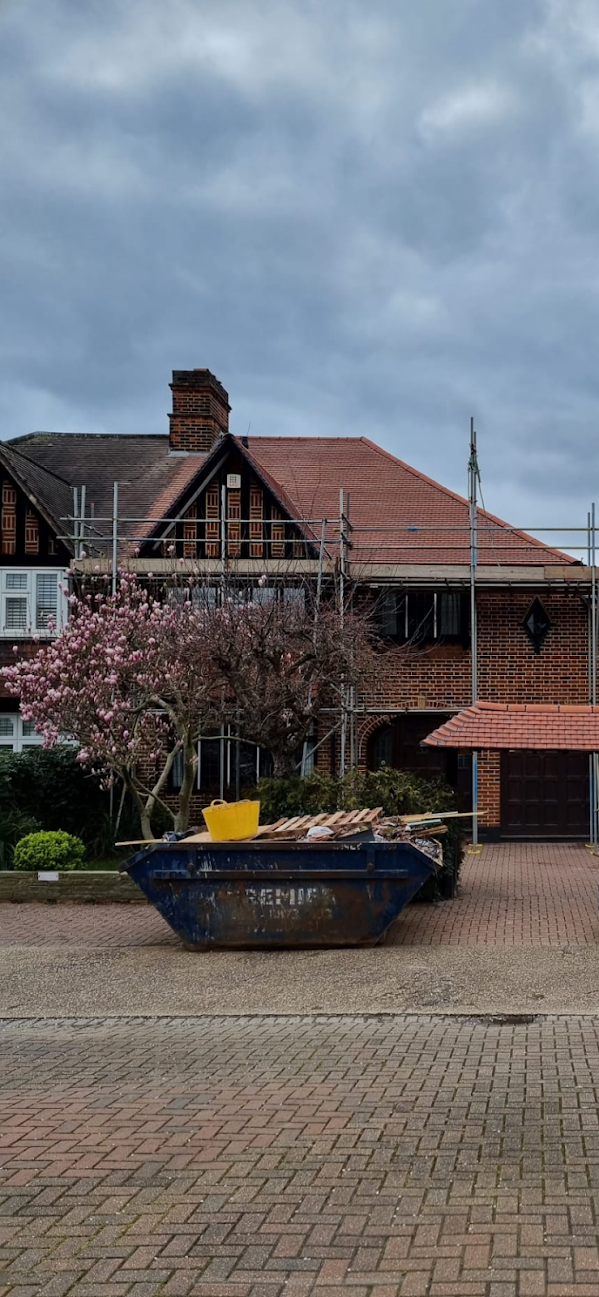
Beyond the material, several variables push the final quote up or down. Roof pitch is one of the most overlooked factors: a steeper pitch requires more material and creates a more demanding working environment for roofers, both of which increase the price. Similarly, a roof with multiple valleys, hips, chimneys, or dormers takes considerably longer to tile and finish than a simple gable roof, and that additional complexity is reflected in the labour cost.
Location plays a meaningful role as well. Roofing contractors in London and the South East typically charge 20 to 40 per cent more than those in the Midlands or the North of England, largely due to higher operating costs and greater demand. Scaffolding, which is a legal requirement for most pitched roof work, adds between £800 and £2,500 to the overall project cost depending on the height and footprint of the building.
Table 2: Typical Total Pitched Roof Replacement Costs by House Type (UK, 2024 Estimates)
| Property Type | Approximate Roof Area | Estimated Total Cost |
|---|---|---|
| Terraced House | 40 – 60 m² | £5,000 – £9,000 |
| Semi-Detached House | 60 – 90 m² | £7,500 – £14,000 |
| Detached House | 90 – 150 m² | £12,000 – £25,000 |
| Bungalow | 70 – 110 m² | £9,000 – £18,000 |
| Large Detached / Period Property | 150 m²+ | £20,000 – £40,000+ |
Can I Get a Government Grant for a New Roof in the UK?
This is one of the most common questions homeowners ask, and the honest answer is that direct grants specifically for pitched roof replacement are limited. However, several government-backed schemes exist that may help reduce the financial burden, particularly for older homes with poor insulation or for households on lower incomes. The Great British Insulation Scheme and the ECO4 scheme both offer funding for energy-efficiency improvements, and in some cases roof insulation work carried out during a re-roof can qualify for support under these programmes.
Local councils also occasionally run their own grant or loan schemes for home improvement, particularly for households receiving certain benefits or for properties in designated improvement areas. It is worth contacting your local authority directly or using the GOV.UK Simple Energy Advice service to find out what is available in your area. While a full pitched roof replacement is unlikely to be fully funded through a grant, combining eligible insulation upgrades with your re-roofing project can meaningfully reduce the net cost.ower installation costs, though material prices remain relatively consistent across the UK market.
What Time of Year Is the Cheapest to Replace a Pitched Roof in the UK?
Roofing is a weather-dependent trade, and that dependency creates seasonal pricing patterns that financially savvy homeowners can use to their advantage. Demand for roofing contractors peaks during late spring and summer, when longer days and drier weather allow crews to work more efficiently. Booking during this period often means higher quotes and longer waiting lists, because contractors can afford to be selective about which jobs they take on.
Late autumn and winter, by contrast, tend to bring softer pricing, with some contractors willing to negotiate on labour costs to keep their schedules filled during quieter months. That said, roofing in wet or frosty conditions carries genuine risks: mortar and adhesives do not cure correctly in freezing temperatures, and working at height in wet weather increases the chance of accidents. If you do pursue a winter booking, ensure your chosen contractor is experienced in cold-weather working conditions and that the warranty on the work is not affected by seasonal installation.
Do You Need Planning Permission for a Pitched Roof in the UK?
For most straightforward pitched roof replacements, planning permission is not required. Replacing like for like, using the same or similar materials and maintaining the existing roof shape, generally falls under permitted development rights in England. You can check your specific situation using the Planning Portal’s interactive guide or by contacting your local planning authority directly.
The rules change, however, if your property is a listed building, sits within a conservation area, or if the work involves a significant change to the roof’s shape, materials, or height. In these circumstances, planning permission or listed building consent may be required before any work begins. The GOV.UK planning permission guidance sets out the rules in full, and it is always advisable to seek written confirmation from your local planning authority if there is any doubt before instructing a contractor.ments. Local planning authorities sometimes specify roofing colours to maintain neighbourhood character, potentially limiting material choices regardless of cost considerations.
How Much Does a Pitched Roof Cost in the UK: Making the Right Decision for Your Property
Understanding what drives pitched roof costs in the UK puts you in a far stronger position when it comes to getting accurate quotes and comparing contractors fairly. The range between a budget re-tile on a small terraced house and a full natural slate replacement on a large period property is vast, and no single figure can capture every scenario. What matters is building a realistic budget based on your roof’s size, your chosen material, your location, and the complexity of the job.
Getting at least three quotes from reputable, insured roofing contractors is the single most effective step you can take before committing to any work. Ask each contractor to break down their quote into materials, labour, scaffolding, and waste disposal, so you are comparing like for like rather than making decisions based on a headline figure. Check that your chosen roofer is a member of a recognised trade body such as the National Federation of Roofing Contractors (NFRC), which maintains a vetted register of qualified professionals across the UK.
A pitched roof is not a purchase you will make often, but when you do, the quality of the work and the materials used will determine how long it lasts and how well it protects your home. Prioritise quality over the lowest price, understand the grant and planning position before you start, and book strategically if your timeline allows for seasonal flexibility.
Need Help with Pitched Roofs? Talk to one of our Professional Pitched Roof Experts today!
How Much Does a Pitched Roof Cost in the UK: Frequently Asked Questions
What is the average cost to replace a pitched roof in the UK?
The average cost to replace a pitched roof on a semi-detached house in the UK sits between £7,500 and £14,000, depending on materials, location, and roof complexity. Larger or more architecturally detailed properties will naturally sit at the higher end of the national range.
How long does a pitched roof last in the UK?
A well-installed pitched roof using quality materials can last anywhere from 30 years for concrete tiles to over 100 years for natural Welsh slate. Regular maintenance, including clearing gutters and replacing cracked tiles promptly, is the best way to maximise the lifespan of any pitched roof.
What is a pitched roof?
A pitched roof is any roof with a slope, as opposed to a flat roof, and it is the most common roof type found on residential properties across the UK. For a full overview of roof types and construction methods, the Wikipedia page on pitched roofs provides useful background reading.
Is it cheaper to repair or replace a pitched roof?
Repair is almost always cheaper in the short term, but replacement becomes more cost-effective when a roof is nearing the end of its serviceable life or when repairs are frequent and cumulative. A qualified surveyor can assess the structural condition of your roof and advise on whether repair or replacement represents better long-term value.
How much does scaffolding add to the cost of a pitched roof replacement?
Scaffolding typically adds between £800 and £2,500 to the total cost of a pitched roof replacement in the UK, depending on the height of the building and the area that needs to be covered. It is a legal health and safety requirement for the vast majority of pitched roof projects and should always be included in your budget from the outset.
Does home insurance cover pitched roof replacement in the UK?
Home insurance may cover roof damage caused by sudden events such as storms or falling trees, but it will not generally cover replacement due to wear and tear or gradual deterioration. It is important to read your policy documents carefully and contact your insurer before beginning any work to understand what you may be entitled to claim.
What is the best material for a pitched roof in the UK?
The best material depends on your budget, the style of your property, and your long-term expectations. Natural slate offers the longest lifespan and the most attractive appearance, while concrete tiles offer a sensible balance of cost, durability, and low maintenance for most standard residential properties.
Do I need planning permission to change the material on my pitched roof?
In most cases, changing roofing materials does not require planning permission under permitted development rights, provided the new materials are similar in appearance to the original. However, properties in conservation areas or on the statutory list of buildings of special architectural or historic interest are subject to stricter controls, and you should consult your local planning authority before proceeding.
Can I get a government grant to help with roof insulation during a re-roof?
Yes, schemes such as the ECO4 scheme on GOV.UK may provide funding for roof insulation improvements for eligible households, which can be combined with a re-roofing project. Eligibility is typically based on household income, benefit status, and the current energy efficiency rating of the property.
How long does it take to replace a pitched roof?
A standard pitched roof replacement on a semi-detached house typically takes between three and seven working days, though larger or more complex properties may require two weeks or more. Weather delays are common in the UK, and a realistic contractor will factor in contingency time when giving you a project timeline.
What is the difference between re-tiling and a full roof replacement?
Re-tiling involves removing the existing tiles and replacing them whilst retaining the underlying timber structure, whereas a full replacement also involves renewing the battens, felt underlay, and in some cases the rafters themselves. A full replacement is more expensive but addresses the entire system rather than just the outer weathering layer.
How do I find a reputable roofing contractor in the UK?
Look for contractors who are members of the National Federation of Roofing Contractors (NFRC) or who hold relevant accreditations such as TrustMark registration. Always request written quotes, check reviews independently, and never pay a large deposit upfront before any work has begun.
Does the pitch angle of a roof affect the cost?
Yes, a steeper pitch requires more material to cover the same footprint and creates a more challenging working environment, both of which increase labour time and cost. Roofs with a pitch above 45 degrees can cost noticeably more to tile than a standard 30 to 35 degree pitch commonly found on UK housing.
Is a pitched roof better than a flat roof for a UK property?
For most UK residential properties, a pitched roof offers better long-term performance because it sheds rainwater more effectively and is less prone to pooling, which is a significant advantage in the UK’s wet climate. Pitched roofs also tend to have a longer lifespan and can add more visual appeal and resale value to a property than a flat roof alternative.