

+44 7853 968135
What does “roofer” mean?

A roofer is a skilled tradesperson who specialises in the construction, repair, and maintenance of roofs on residential, commercial, and industrial buildings. These professionals possess comprehensive knowledge of various roofing materials, installation techniques, and safety protocols essential for working at height. In the UK construction industry, roofers are highly valued craftspeople who ensure buildings remain weatherproof and structurally sound.
The term encompasses various specialisations within the roofing trade, from slate and tile installation to flat roof membrane systems and traditional thatching. Roofers combine physical skill with technical expertise, understanding building regulations, structural requirements, and weather protection principles that keep British homes and businesses dry and secure.
What Does “Roofing” Slang Mean?
Within the construction industry, “roofing” has developed several colloquial meanings beyond its literal definition. Tradespeople often use “roofing” to describe any overhead work or the act of providing protection or cover in various contexts. The phrase “putting a roof over someone’s head” reflects the fundamental human need for shelter that roofers provide through their essential work.
In professional circles, “roofing” can refer to the entire process of weatherproofing a structure, including guttering, fascias, and soffits. Workers might say they’re “doing the roofing” to encompass all aspects of making a building’s upper structure complete and functional, demonstrating how the trade’s language reflects its comprehensive nature.
Need some Support with Flat Roofing? Speak with a member of our Professional Flat Roofing Team here
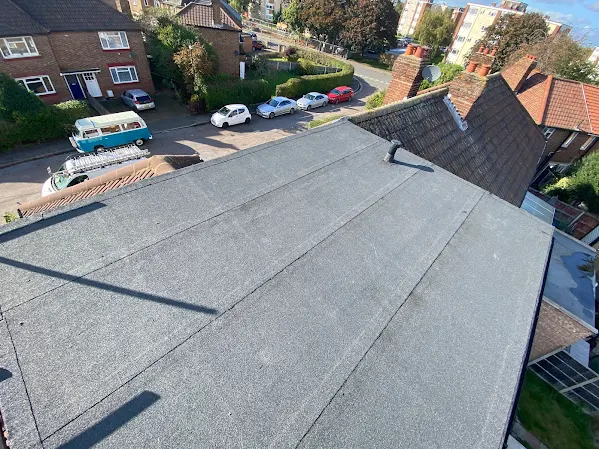
What is a Roofer in the UK?
A roofer in the UK operates within a highly regulated construction environment, typically requiring relevant qualifications and adherence to British Standards. Most professional roofers complete apprenticeships through organisations like the Construction Industry Training Board (CITB) or pursue City & Guilds qualifications in roofing occupations. UK roofers must understand Building Regulations Part L (Conservation of fuel and power) and Part C (Site preparation and resistance to contaminants and moisture).
The profession encompasses various specialisations including slate roofing, clay and concrete tile installation, flat roofing systems, and traditional materials like thatch. British roofers work extensively with materials suited to the UK climate, such as Welsh slate, Yorkshire stone, and modern synthetic alternatives designed to withstand frequent rainfall and temperature fluctuations typical of British weather patterns.
| UK Roofer Specialisations | Common Materials Used | Typical Project Duration |
|---|---|---|
| Slate Roofing | Welsh slate, Cumbrian slate | 3-7 days |
| Tile Installation | Clay tiles, concrete tiles | 2-5 days |
| Flat Roofing | EPDM, felt, fibreglass | 1-3 days |
| Lead Work | Milled lead, lead alternatives | 1-2 days |
| Guttering Systems | uPVC, cast iron, aluminium | 1 day |
How Much Should a Roofer Be Paid?
Roofer compensation varies significantly across the UK, influenced by location, experience level, and project complexity. Entry-level roofers typically earn between £18,000-£25,000 annually, whilst experienced professionals command £30,000-£45,000 per year. Self-employed roofers often charge day rates ranging from £150-£300, depending on their expertise and regional demand.
Specialist skills command premium rates, with heritage slate specialists and lead workers earning considerably more than general roofers. London and South East England typically offer the highest wages due to increased living costs and project demands, whilst Northern regions may offer lower base rates but often provide steadier employment opportunities throughout the year.
| Experience Level | Annual Salary Range | Daily Rate Range |
|---|---|---|
| Apprentice/Trainee | £16,000-£20,000 | £80-£120 |
| —————– | ——————- | —————— |
| Qualified Roofer | £25,000-£35,000 | £150-£220 |
| —————– | ——————- | —————— |
| Experienced Professional | £35,000-£45,000 | £200-£280 |
| —————– | ——————- | —————— |
| Specialist/Master Craftsman | £40,000-£60,000+ | £250-£350+ |
How Can You Tell a Dodgy Roofer?
Identifying unreliable roofers requires vigilance and understanding of professional standards expected in the UK construction industry. Legitimate roofers provide detailed written quotations, possess appropriate insurance coverage, and offer guarantees on their workmanship. Red flags include door-to-door salespeople offering immediate repairs, requests for full payment upfront, or reluctance to provide references from recent customers.
Professional roofers typically belong to recognised trade associations such as the National Federation of Roofing Contractors (NFRC) or Confederation of Roofing Contractors (CORC). They readily provide proof of public liability insurance, offer realistic timescales for completion, and use quality materials from established suppliers rather than cheap alternatives that may fail prematurely.
According to government guidance from Citizens Advice, consumers should verify trader credentials and obtain multiple quotations before proceeding. The Trading Standards Institute provides additional resources for identifying legitimate tradespeople and avoiding cowboy operators who damage the industry’s reputation.
Understanding What “Roofer” Truly Means in Modern Britain
The meaning of “roofer” extends far beyond simple trade classification, representing a vital profession that maintains Britain’s built environment and protects millions of properties from the elements. These skilled professionals combine traditional craftsmanship with modern techniques, ensuring buildings remain safe, dry, and energy-efficient throughout their operational lifespan. Their expertise encompasses not just installation and repair, but also understanding complex building science principles and regulatory requirements.
Today’s roofers face evolving challenges including climate change adaptation, energy efficiency requirements, and sustainable material selection. They must balance heritage conservation with modern performance standards, particularly when working on listed buildings or within conservation areas where traditional methods and materials remain mandatory.
Professional roofers contribute significantly to property values and energy efficiency through proper installation and maintenance practices. Their work directly impacts heating costs, structural integrity, and overall building performance, making them essential partners in maintaining Britain’s housing stock and commercial property portfolio.
Key takeaways about roofers in the UK:
Need Help with Flat Roofing Matters? Talk to one of our Flat Roofing Experts today!
What Does “Roofer” Mean: Frequently Asked Questions
What qualifications do UK roofers need?
UK roofers typically complete apprenticeships through CITB or pursue City & Guilds qualifications in roofing occupations, covering safety, materials knowledge, and installation techniques. Many also obtain CSCS (Construction Skills Certification Scheme) cards and specialist certifications for working with specific materials like lead or slate.
How long does it take to become a qualified roofer?
Most roofing apprenticeships last 2-3 years, combining on-site training with classroom learning about building regulations, safety procedures, and material properties. Additional specialisations in heritage roofing or flat roof systems may require further training periods of 6-12 months.
What’s the difference between a roofer and a roof contractor?
A roofer typically refers to the skilled tradesperson performing hands-on installation and repair work, whilst a roof contractor often manages entire projects, coordinates multiple trades, and handles business operations. Many experienced roofers progress to become contractors, expanding their services and taking on larger commercial projects.
Do roofers work year-round in the UK?
Professional roofers work throughout the year, though weather conditions can affect scheduling and productivity during winter months. Emergency repairs continue regardless of season, whilst planned installations are often scheduled during drier periods for optimal working conditions and material performance.
What insurance should legitimate roofers carry?
UK roofers should carry public liability insurance (minimum £2 million coverage), employer’s liability insurance if they employ staff, and professional indemnity insurance for design work. Many also carry tool insurance and vehicle coverage to protect their business assets.
How do I verify a roofer’s credentials?
Check membership with recognised bodies like NFRC or CORC, request proof of insurance, verify CSCS card validity, and ask for recent customer references. The Trustmark scheme provides government-endorsed verification of reliable tradespeople across various construction disciplines.
What materials do UK roofers commonly work with?
British roofers work with diverse materials including Welsh and Cumbrian slate, clay and concrete tiles, lead for flashings and valleys, modern synthetic membranes for flat roofs, and traditional materials like thatch in heritage applications. Material choice depends on local climate, building style, and planning requirements.
Can roofers work on listed buildings?
Roofers working on listed buildings require additional expertise in traditional techniques and approved materials, often needing specialist training in heritage skills. They must understand conservation principles and work within Listed Building Consent requirements to preserve historical authenticity whilst ensuring weather protection.
What’s the average lifespan of different roofing materials?
Slate roofing can last 75-100+ years with proper maintenance, clay tiles typically last 50-75 years, concrete tiles around 30-50 years, and modern flat roof membranes 15-25 years. Proper installation and regular maintenance significantly extend material lifespan regardless of the system chosen.
How often should roofs be professionally inspected?
Professional roof inspections should occur annually, with additional checks after severe weather events or if visible damage appears. Early identification of minor issues prevents costly major repairs and extends overall roof lifespan through preventive maintenance.
What safety equipment do professional roofers use?
UK roofers use comprehensive safety equipment including safety harnesses, hard hats, non-slip footwear, scaffold systems, and fall arrest systems when working at height. Professional operators follow HSE (Health and Safety Executive) guidelines and undergo regular safety training to minimise workplace accidents.
Do roofers provide warranties on their work?
Reputable roofers offer workmanship warranties typically ranging from 5-10 years, with material warranties provided by manufacturers separately. Written warranties should specify coverage terms, exclusions, and maintenance requirements to remain valid throughout the warranty period.
What’s the peak season for roofing work in the UK?
Spring and summer months (April-September) represent peak roofing season due to favourable weather conditions and longer daylight hours. However, emergency repairs occur year-round, and many customers prefer autumn installations to prepare properties for winter weather challenges.
How do roofers handle building regulations compliance?
Professional roofers understand UK Building Regulations, particularly Parts C (moisture resistance) and L (thermal performance), ensuring installations meet current standards. They often work with building control officers and may require structural calculations for significant alterations or load-bearing modifications.
zithromax azithromycin
zithromax azithromycin
vardenafil
vardenafil
meloxicam nsaid
meloxicam nsaid
sildenafil made from
sildenafil made from
rogaine minoxidil target
rogaine minoxidil target
ketoconazole medical reference
ketoconazole medical reference
amoxicillin medical reference
amoxicillin medical reference
OnsetWithAlcohol
OnsetWithAlcohol
Onset Variability Guide
Onset Variability Guide