

+44 7853 968135
Does removing a chimney stack devalue a house?

Removing a chimney stack represents one of the most significant structural alterations homeowners can make to their property, yet the impact on house value remains widely misunderstood. The relationship between chimney removal and property valuation involves multiple factors, from architectural heritage to modern heating preferences, making it essential for homeowners to understand both the potential benefits and drawbacks before proceeding.
Property values fluctuate based on buyer preferences, local market conditions, and the specific characteristics of individual homes. When considering chimney stack removal, homeowners must weigh the immediate costs against long-term property appeal, taking into account both practical improvements and potential aesthetic concerns that may influence future buyers.
Is It Worth Removing a Chimney Stack?
The worthiness of chimney stack removal depends largely on your property’s specific circumstances and your long-term objectives. Modern heating systems have largely replaced traditional fireplaces, making many chimney stacks redundant structures that require ongoing maintenance without providing functional value.
Properties with damaged or unstable chimney stacks often benefit significantly from removal, particularly when the cost of repairs exceeds the structural value. Removing an unused chimney eliminates potential safety hazards, reduces maintenance obligations, and can free up valuable interior space for more practical uses, such as additional storage or bathroom facilities.
However, properties in conservation areas or those with significant architectural merit may suffer from chimney removal. Period properties, particularly those from the Victorian era, often rely on chimney stacks as defining architectural features, and their removal can fundamentally alter the building’s character and appeal to potential buyers who value historical authenticity.
Need some Support with your chimney removal? Speak with a member of our Professional Chimney Removal Team here
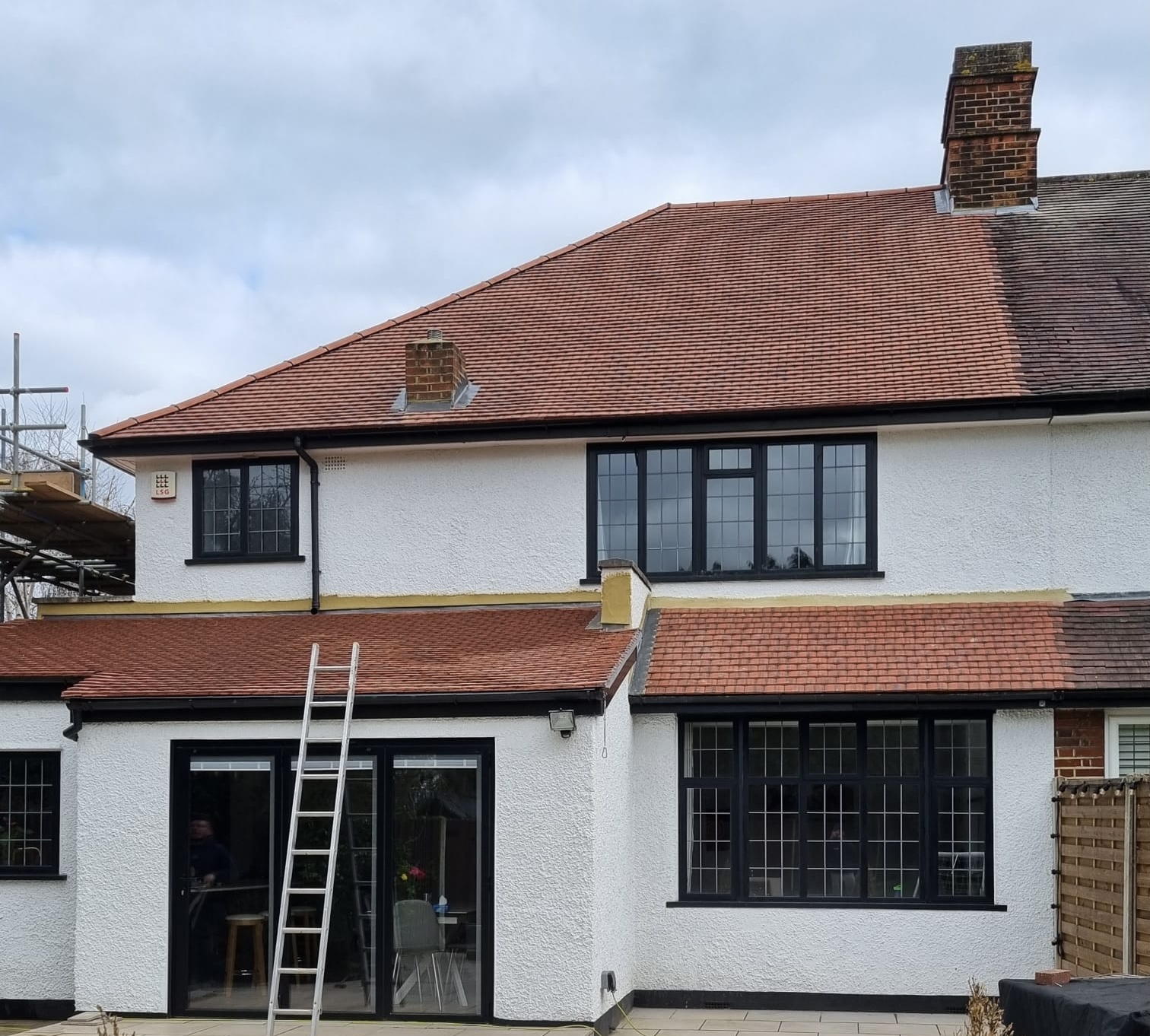
Would Removing a Chimney Devalue a House?
Chimney removal impact on property value varies considerably depending on the specific property type, location, and local market preferences. In many cases, particularly with modern properties or those where the chimney serves no functional purpose, removal can actually increase value by improving usable space and eliminating maintenance burdens.
Contemporary buyers often prioritise low-maintenance properties with efficient heating systems over traditional features that require ongoing upkeep. Properties where chimney removal creates additional living space, improves room layouts, or eliminates structural problems frequently see value increases that offset the initial removal costs.
Conversely, properties in areas where period features command premium prices may experience value reduction following chimney removal. Estate agents consistently report that buyers seeking character properties expect traditional features, including functioning fireplaces and authentic chimney stacks, particularly in properties built before 1950 where these elements contribute significantly to architectural integrity.
How Much Does It Cost to Remove a Chimney Stack UK?
Chimney stack removal costs in the UK typically range from £1,500 to £6,000, depending on the complexity of the work and regional labour rates. Simple removal projects involving modern properties with straightforward access generally fall at the lower end of this range, whilst complex removals involving period properties or difficult access situations command higher fees
| Removal Type | Cost Range | Duration | Additional Considerations |
|---|---|---|---|
| Partial Removal (above roofline) | £1,500 – £3,000 | 1-2 days | Requires roof repairs and weatherproofing |
| Complete Removal | £3,000 – £6,000 | 3-5 days | Includes internal alterations and floor repairs |
| Heritage Property Removal | £4,000 – £8,000 | 5-7 days | May require specialist conservation techniques |
Professional removal costs include scaffolding, waste disposal, structural modifications, and necessary repairs to roofing and internal surfaces. Additional expenses often arise from planning permission requirements, building control fees, and potential party wall agreements if the chimney serves adjoining properties.
The complexity of removal work significantly influences final costs, with factors including chimney height, construction materials, accessibility, and the extent of internal modifications required. Properties requiring structural alterations to support removed chimney sections typically incur additional engineering costs ranging from £500 to £1,500 for professional structural assessments
Is It a Good Idea to Get Rid of Chimneys?
Eliminating unused chimneys can provide substantial benefits for many property owners, particularly those prioritising maintenance reduction and space optimisation. Modern properties with redundant chimney systems often gain significant value from removal, especially when the recovered space enables practical improvements such as additional storage or enhanced room layouts.
| Property Age | Removal Benefits | Potential Drawbacks | Market Impact |
|---|---|---|---|
| Post-1980 | High maintenance savings, space recovery | Minimal architectural loss | Generally positive |
| 1950-1980 | Moderate benefits, cost savings | Some character loss | Neutral to positive |
| Pre-1950 | Reduced maintenance burden | Significant character reduction | Often negative |
Energy efficiency improvements represent another compelling reason for chimney removal in properties with modern heating systems. Sealed chimney openings eliminate heat loss through unused flues, potentially reducing energy bills by 5-10% annually whilst improving overall thermal performance.
However, removal decisions should consider future flexibility and buyer preferences. Properties in areas where wood-burning stoves or open fires remain popular may benefit from retaining chimney infrastructure, even if current owners prefer modern heating solutions.
For properties requiring planning permission or listed building consent, the decision becomes more complex. Local planning authorities often resist chimney removal applications for properties in conservation areas, and applications must be submitted through the UK government’s planning portal to ensure compliance with local regulations.
Making the Right Decision About Chimney Stack Removal
Deciding whether to remove a chimney stack requires careful consideration of multiple factors, including property type, local market conditions, and personal priorities. The key lies in understanding that value impact varies significantly between different property categories and geographical locations.
Professional advice from qualified surveyors, structural engineers, and local estate agents provides essential insight into the likely impact of chimney removal on your specific property. These professionals can assess whether removal aligns with local market preferences and identify potential complications that might affect both costs and outcomes.
Consider the long-term implications of chimney removal beyond immediate financial considerations. Properties in areas experiencing gentrification or increased interest in period features may benefit from retaining original architectural elements, whilst those in modernising neighbourhoods might gain value from contemporary improvements.
For homeowners proceeding with removal, ensuring compliance with building regulations through approved contractors protects both safety and future saleability. Professional removal work completed to current standards provides peace of mind and maintains property marketability regardless of changing buyer preferences.
The decision ultimately depends on balancing immediate practical benefits against potential long-term market impact:
Need Help with Chimney Removal? Talk to one of our Professional Chimney Removal Experts today!
Does Removing a Chimney Stack Devalue a House: Common Questions
Does removing a chimney stack always reduce property value?
No, the impact depends on property type, location, and local market preferences, with many modern properties actually gaining value from removal. Properties where chimneys serve no functional purpose often benefit from the additional space and reduced maintenance requirements.
What planning permissions are needed for chimney stack removal in the UK?
Most chimney removals fall under permitted development rights, but properties in conservation areas or listed buildings require planning permission or listed building consent. You can check requirements and submit applications through the official government planning portal for your specific location.
How long does professional chimney stack removal typically take?
Complete removal usually takes 3-5 days for standard properties, including scaffolding, demolition, and necessary repairs to roofing and internal surfaces. Complex removals involving heritage properties or structural complications may require additional time for specialist techniques.
Can I remove a chimney stack myself to save money?
Chimney removal requires professional expertise due to structural, safety, and building regulation considerations that DIY approaches cannot adequately address. Professional removal ensures compliance with safety standards and maintains property insurance validity.
Will removing my chimney affect my home insurance?
Most insurers treat professional chimney removal as a standard property modification, but you should notify your provider before work begins. Proper documentation of professional work and building regulation compliance typically satisfies insurance requirements without affecting premiums.
What happens to the space where the chimney was located?
Internal space previously occupied by the chimney can be converted into storage, extended into adjacent rooms, or modified to improve layouts. The specific options depend on the chimney’s location and your property’s structural configuration.
Are there alternatives to complete chimney removal?
Partial removal above the roofline eliminates most maintenance issues whilst preserving internal features and some architectural character. This approach costs less than complete removal whilst addressing the majority of structural and maintenance concerns.
How do I find qualified contractors for chimney removal?
Look for contractors registered with professional bodies such as the Federation of Master Builders or Checkatrade, ensuring they hold appropriate insurance and building regulation approvals. Multiple quotes help ensure competitive pricing and professional standards.
What building regulations apply to chimney removal?
Chimney removal must comply with current building regulations covering structural alterations, fire safety, and ventilation requirements. Professional contractors typically handle building control notifications and inspections as part of their service.
Does chimney removal affect adjoining properties?
Shared chimneys require party wall agreements with neighbours before removal can proceed, whilst independent chimneys typically only affect your own property. Professional assessment determines whether party wall procedures apply to your specific situation.
What should I do with the internal fireplace after chimney removal?
Internal fireplaces can be blocked, removed entirely, or converted into decorative features or storage spaces depending on your preferences. The choice affects both costs and the final appearance of affected rooms.
How can I research the impact on property value before deciding?
Estate agents familiar with your local area can provide insights into buyer preferences and recent sales data for properties with and without chimneys. According to Wikipedia’s comprehensive overview of property valuation, professional valuations consider multiple factors including architectural features and local market conditions.
Will chimney removal improve my property’s energy efficiency?
Yes, removing unused chimneys eliminates heat loss through redundant flues and reduces drafts, potentially improving energy efficiency by 5-10%. Proper sealing and insulation during removal maximise these thermal benefits.
What guarantees should I expect from professional chimney removal?
Reputable contractors provide warranties covering workmanship, typically ranging from 5-10 years for structural work and shorter periods for finishing details. Ensure all guarantees are documented in writing before work commences.