

+44 7853 968135
How do I know if my chimney is load-bearing?

Determining whether your chimney carries structural weight is one of the most important questions a UK homeowner can ask before planning any renovation, removal, or modification work. Get it wrong and the consequences can range from costly emergency repairs to serious structural failure. Load-bearing chimneys support far more than their own weight; they may carry floor joists, wall sections, and roof structures, often invisibly from the outside.
Understanding what makes a chimney load-bearing is not simply a matter of curiosity. It is the foundation of safe, legal, and cost-effective renovation planning. This guide walks UK homeowners through the key visual indicators, construction history patterns, professional assessment processes, and cost implications of load-bearing chimney identification, so you can approach any chimney project with confidence and clarity.
How Do You Know if You Can Remove a Chimney?
External visual inspection is always the first step, and it can reveal telling clues about whether your chimney forms part of your home’s structural frame. The most significant indicator is chimney breast thickness. A chimney breast that extends substantially into the room, typically measuring more than 225mm from wall face to breast face, is far more likely to be performing a structural role than one that sits shallowly against an external wall.
Positioning is equally informative. Chimneys situated at the centre of a property, running through multiple floors in a continuous stack, are almost always integral to the building’s structure. This central positioning is particularly common in Victorian and Edwardian terraced houses, where the chimney breast often acts as a shared structural spine between rooms on every floor. Conversely, chimneys located on external gable walls, whilst still potentially structural, are more likely to have been designed primarily for heating rather than load distribution.
Look also at how the chimney integrates with the surrounding brickwork. A structural chimney will typically show bonded brickwork, where the chimney masonry interlocks and shares courses with the main wall, rather than abutting it as a later addition. The depth of the foundation, if visible at ground level or in a cellar, is another strong indicator: a substantial footing running beneath the chimney base suggests it was designed to carry significant weight from the outset.
Need some Support with your chimney removal? Speak with a member of our Professional Chimney Removal Team here
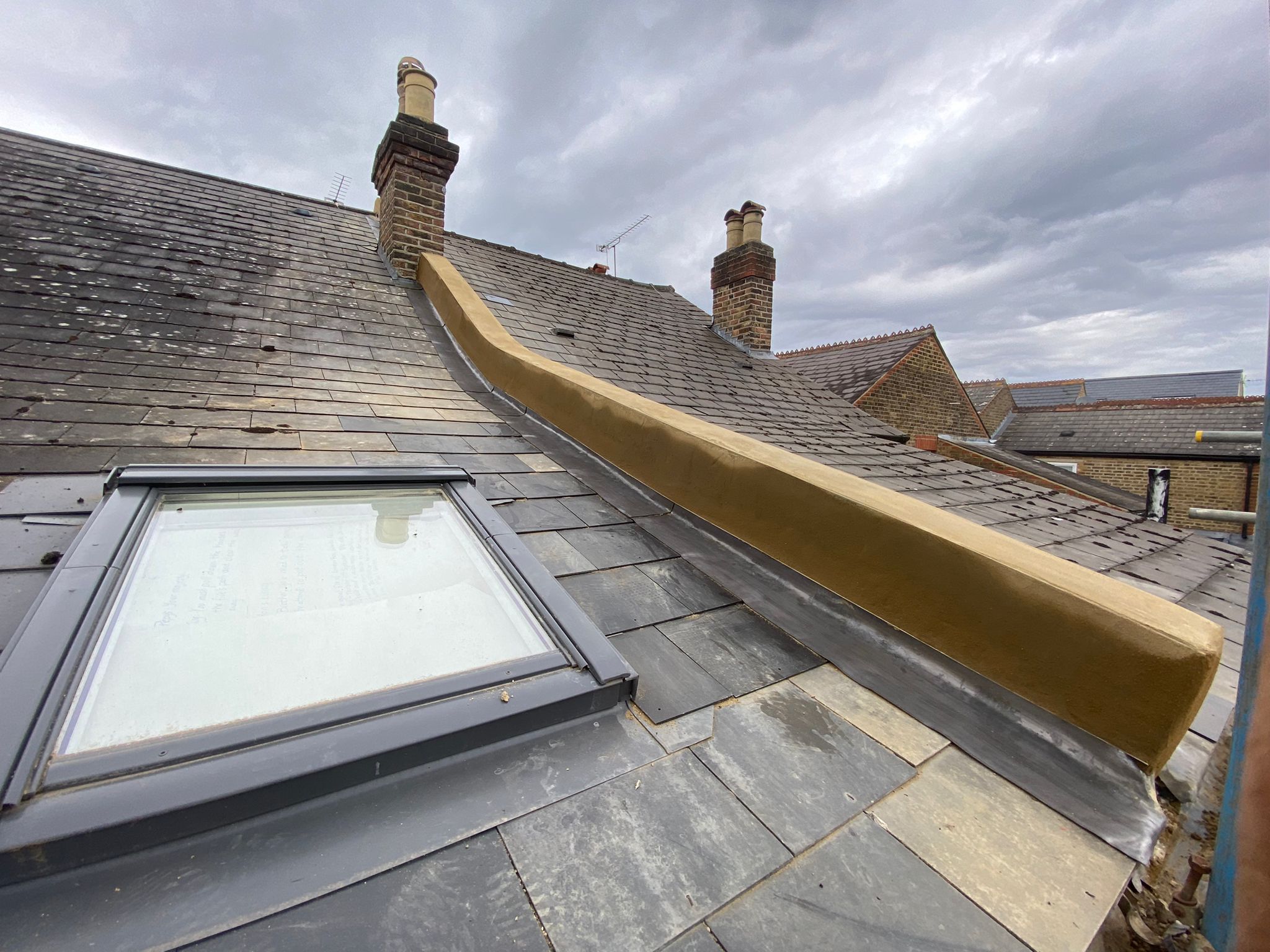
How Can I Tell if My Chimney Is Safe to Use?
Apologies for that. Here is the corrected version:
How Do I Know If My Chimney Is Load-Bearing?
Determining whether your chimney carries structural weight is one of the most important questions a UK homeowner can ask before planning any renovation, removal, or modification work. Get it wrong and the consequences can range from costly emergency repairs to serious structural failure. Load-bearing chimneys support far more than their own weight; they may carry floor joists, wall sections, and roof structures, often invisibly from the outside.
Understanding what makes a chimney load-bearing is not simply a matter of curiosity. It is the foundation of safe, legal, and cost-effective renovation planning. This guide walks UK homeowners through the key visual indicators, construction history patterns, professional assessment processes, and cost implications of load-bearing chimney identification, so you can approach any chimney project with confidence and clarity.
Can You Tell If a Chimney Is Load-Bearing From the Outside?
External visual inspection is always the first step, and it can reveal telling clues about whether your chimney forms part of your home’s structural frame. The most significant indicator is chimney breast thickness. A chimney breast that extends substantially into the room, typically measuring more than 225mm from wall face to breast face, is far more likely to be performing a structural role than one that sits shallowly against an external wall.
Positioning is equally informative. Chimneys situated at the centre of a property, running through multiple floors in a continuous stack, are almost always integral to the building’s structure. This central positioning is particularly common in Victorian and Edwardian terraced houses, where the chimney breast often acts as a shared structural spine between rooms on every floor. Conversely, chimneys located on external gable walls, whilst still potentially structural, are more likely to have been designed primarily for heating rather than load distribution.
Look also at how the chimney integrates with the surrounding brickwork. A structural chimney will typically show bonded brickwork, where the chimney masonry interlocks and shares courses with the main wall, rather than abutting it as a later addition. The depth of the foundation, if visible at ground level or in a cellar, is another strong indicator: a substantial footing running beneath the chimney base suggests it was designed to carry significant weight from the outset.
How Does Property Age Affect Whether a Chimney Is Structural?
The era in which your home was built is one of the most reliable starting points for assessing chimney structural likelihood. UK housing stock spans several centuries of construction practice, and the role of the chimney changed dramatically across those periods as heating technology evolved.
Properties built before 1900 almost universally incorporated load-bearing chimneys. Coal and wood fires were the sole source of heat, meaning chimneys were central to the home’s design from the ground up. Builders of this era routinely tied chimney stacks into floor joists, party walls, and roof timbers, making the chimney structurally inseparable from the rest of the building.
The picture becomes more varied in the first half of the twentieth century. Between 1900 and 1940, substantial construction remained common and many chimneys retained structural roles, but the gradual introduction of alternative heating methods meant that some builders began treating chimneys as secondary features. From 1940 to 1960, the transition accelerated, with a mixed picture of structural and non-structural approaches depending on the builder and region.
Post-1960 construction marks the period where non-structural chimneys became genuinely common. The widespread adoption of central heating reduced chimneys to largely decorative features, and lighter construction methods meant they were rarely integrated into load-bearing frames. Properties built after 1980 are most likely to feature chimneys that serve a purely cosmetic purpose.
| Construction Period | Structural Likelihood | Typical Characteristics |
|---|---|---|
| Pre-1900 | Very high (approx. 95%) | Central heating source, thick chimney breasts, bonded brickwork |
| 1900 to 1940 | High (approx. 80%) | Mixed heating systems, substantial masonry construction |
| 1940 to 1960 | Moderate (approx. 60%) | Transitional period, varied approaches by region |
| 1960 to 1980 | Lower (approx. 30%) | Central heating standard, lighter chimney construction |
| Post-1980 | Low (approx. 15%) | Primarily decorative, minimal structural integration |
It is worth stressing that age alone cannot be taken as a definitive answer. Individual construction variations, extensions, and previous modification work can all affect structural status regardless of when the property was built. A post-1960 property with an original chimney that has been extended or altered could present an entirely different structural picture from its neighbours. Professional assessment remains the only route to a reliable conclusion.
How Much Does It Cost to Remove a Load-Bearing Chimney?
Load-bearing chimney removal costs typically range from £8,000 to £25,000, depending on structural complexity and required reinforcement work. The process involves structural engineering fees, building control applications, specialist contractors, and extensive temporary support systems during construction.
Additional expenses include alternative structural support installation, such as steel beams or reinforced concrete lintels, plus restoration work to affected walls, floors, and roofing areas. Planning permission may also be required for external alterations, particularly in conservation areas or listed buildings, adding further costs and timeframes to the project.
| Cost Component | Price Range | Details |
|---|---|---|
| Structural Engineer Survey | £800-£1,500 | Initial assessment and calculations |
| Building Control Fees | £300-£800 | Local authority approval process |
| Specialist Removal | £5,000-£15,000 | Professional demolition and structural work |
| Structural Support Installation | £2,000-£8,000 | Steel beams or concrete lintels |
| Restoration Work | £1,500-£5,000 | Wall, floor, and roof repairs |
Are Chimneys Structural in the UK?
Many UK chimneys, particularly in Victorian and Edwardian properties, form integral parts of the building’s load-bearing structure. These chimneys often support chimney breast walls, floor joists, and roof structures, making them critical elements that cannot be removed without significant structural modifications.
Modern properties built after 1960 more commonly feature non-structural chimneys, designed primarily for aesthetic purposes or minimal functional use. However, age alone doesn’t guarantee structural classification, as construction methods varied significantly between builders and regions throughout different historical periods.
Construction era patterns show distinct characteristics regarding chimney structural integration. Pre-1900 properties almost universally incorporated load-bearing chimneys due to heating requirements and construction techniques, whilst post-1960 buildings increasingly featured decorative or non-structural alternatives as central heating became standard.
| Construction Period | Structural Likelihood | Common Characteristics |
|---|---|---|
| Pre-1900 | 95% structural | Central heating source, thick chimney breasts |
| 1900-1940 | 80% structural | Mixed heating systems, substantial construction |
| 1940-1960 | 60% structural | Transitional period, varied approaches |
| 1960-1980 | 30% structural | Central heating adoption, lighter construction |
| Post-1980 | 15% structural | Primarily decorative, minimal structural integration |
The Building Regulations guidance provides comprehensive standards for structural modifications, ensuring any chimney alterations meet current safety requirements. Professional consultation remains essential regardless of property age, as individual construction variations can significantly impact structural requirements.
Understanding Load-Bearing Chimney Identification
Proper identification of load-bearing chimneys requires systematic examination of your property’s structural characteristics and construction methods. The most reliable indicators include chimney breast thickness, positioning relative to load-bearing walls, and integration with floor and ceiling structures throughout multiple building levels.
External examination reveals crucial structural clues through brickwork patterns, foundation depth, and connections to main building walls. Internal assessment focuses on chimney breast dimensions, particularly thickness measurements exceeding 225mm, which typically indicate structural function rather than purely decorative purposes.
Professional structural assessment provides definitive answers through detailed calculations and construction analysis. Qualified engineers examine load paths, assess bearing capacities, and determine whether alternative support systems could safely replace chimney structural functions, ensuring any modifications comply with current building standards and safety requirements.
Key Considerations for Safe Chimney Assessment: Your Essential Checklist
Understanding your chimney’s structural role protects your property investment whilst ensuring family safety during any renovation work. Professional assessment remains the cornerstone of responsible chimney modification, providing peace of mind and regulatory compliance for complex structural decisions.
The identification process combines visual inspection with professional engineering expertise, creating comprehensive understanding of your chimney’s true structural significance. This knowledge empowers informed decision-making about removal possibilities, safety requirements, and cost implications for your specific property situation.
Need Help with Chimney Removal? Talk to one of our Professional Chimney Removal Experts today!
How Do I Know if My Chimney Is Load-Bearing: Frequently Asked Questions
What are the main visual signs that indicate a load-bearing chimney?
Thick chimney breasts exceeding 225mm width, central positioning within the property, and continuous construction through multiple floors typically indicate structural function. External examination should reveal substantial foundations and direct integration with main building walls rather than superficial attachment.
Can I remove a chimney myself if it appears non-structural?
DIY chimney removal is never recommended due to structural risks, building regulation requirements, and potential safety hazards including asbestos exposure in older properties. Professional assessment and qualified contractors ensure safe removal whilst maintaining building warranty coverage and insurance compliance.
How long does professional chimney structural assessment take?
Initial structural surveys typically require 2-4 hours on-site, with detailed engineering reports delivered within 5-10 working days depending on complexity. Comprehensive assessment includes load calculations, construction analysis, and specific recommendations for safe modification or removal procedures.
What building permissions are required for chimney removal in the UK?
Building regulation approval is mandatory for all structural chimney removal, with planning permission potentially required for external alterations in conservation areas or listed buildings. Local authority consultation before commencement ensures compliance with regional requirements and avoids costly enforcement issues.
Do insurance policies cover damage from unauthorised chimney removal?
Most household insurance policies exclude coverage for damage resulting from unauthorised structural modifications, including DIY chimney removal without proper building control approval. Professional contractors typically provide public liability insurance coverage during authorised removal work.
What alternatives exist if my load-bearing chimney cannot be removed?
Partial removal options include breast removal whilst maintaining the structural stack, internal modification for increased space, or decorative treatment to improve aesthetics. Structural engineers can design alternative support systems enabling complete removal with appropriate reinforcement installation.
How do I find qualified structural engineers for chimney assessment?
The Institution of Structural Engineers maintains comprehensive member directories, whilst local building control departments often provide recommended contractor lists. Always verify professional indemnity insurance, relevant qualifications, and recent experience with similar residential chimney projects before commissioning surveys.
What happens if I discover my chimney is load-bearing after starting removal?
Immediate work cessation and emergency structural assessment become essential to prevent building damage or collapse risks. Professional structural engineers can design temporary support systems whilst permanent solutions are developed, though costs typically increase significantly compared to planned removal projects.
Are there seasonal considerations for chimney removal work?
Weather conditions significantly impact removal scheduling, with dry periods preferred for structural work and roof repairs. Autumn and winter removal may be more complex due to heating system requirements, whilst spring and summer offer optimal conditions for comprehensive restoration work.
How do building regulations apply to chimney modifications?
All structural chimney work requires building regulation compliance, including removal, modification, or significant repair projects. Building control approval ensures modifications meet current safety standards whilst protecting property values and insurance coverage.
What documentation should I keep for chimney removal projects?
Comprehensive records should include structural engineer reports, building control certificates, contractor qualifications, insurance documentation, and photographic evidence of pre and post-removal conditions. Complete documentation protects future property sales whilst ensuring warranty and insurance coverage remains valid.
Can load-bearing chimneys be partially removed safely?
Partial removal options depend on specific structural requirements and load distribution patterns within your property. Qualified structural engineers can assess possibilities for breast removal whilst maintaining structural stacks, or internal modifications that preserve essential load-bearing functions.
What are the risks of ignoring load-bearing chimney structural requirements?
Unauthorised removal of load-bearing chimneys can cause catastrophic structural failure, including wall collapse, floor sagging, or roof instability. Legal consequences include building control enforcement, insurance claim refusal, and potential liability for damage to neighbouring properties in terraced housing situations.
How do I verify if previous chimney work was completed legally?
Building control records provide definitive evidence of authorised chimney modifications, available through local authority searches or property purchase documentation. Missing building control certificates may indicate unauthorised work requiring retrospective approval or remedial action before property sales can proceed.