

+44 7853 968135
How many years does guttering last?

Replacing guttering represents one of the most significant exterior maintenance investments UK homeowners face, with costs varying dramatically based on property size, material choice, and regional labour rates. Understanding these cost factors helps property owners budget effectively whilst ensuring their homes remain protected from water damage that can result from failing gutter systems.
The average cost to replace guttering in the UK ranges from £400 to £1,200 for a typical semi-detached house, though this figure can extend beyond £2,000 for larger properties or premium materials. Several variables influence these costs, including the linear metres of guttering required, chosen materials, accessibility challenges, and whether downpipes need simultaneous replacement.
What Is the Best Price for Gutter Replacement?
Securing the best price for gutter replacement requires understanding market rates whilst avoiding compromising on quality that could lead to premature failure. The most competitive prices typically emerge from obtaining multiple quotes during off-peak seasons, particularly late autumn and winter when demand traditionally decreases amongst roofing contractors.
Smart homeowners often discover that combining gutter replacement with other roofing maintenance work, such as fascia board repairs or roof cleaning, can reduce overall labour costs through economies of scale. Professional contractors frequently offer package deals that provide better value than individual services, particularly when multiple exterior maintenance tasks require attention simultaneously.
Need some Support with your Fascia and Soffits? Speak with a member of our Professional Fascia and Soffits Team here
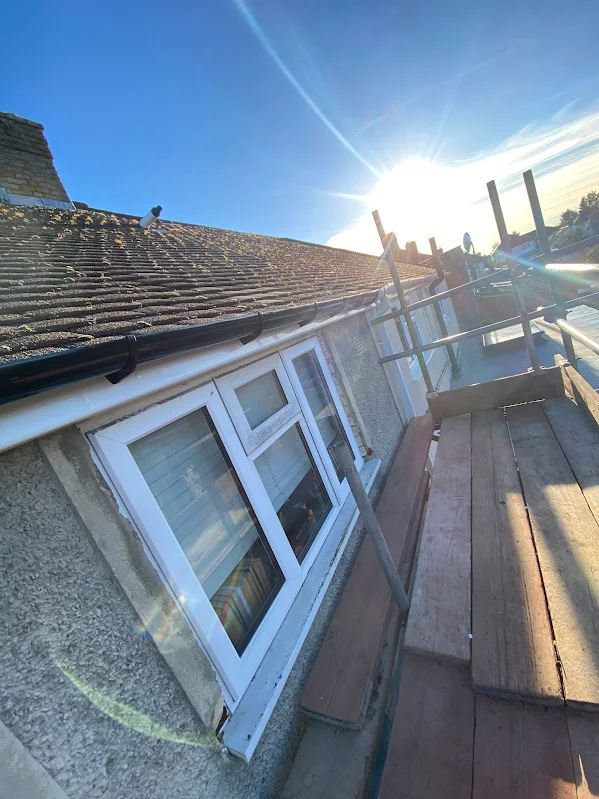
What Is the Life Expectancy of Guttering?
Different guttering materials offer varying lifespans, with uPVC guttering typically lasting 15-25 years under normal conditions. Aluminium guttering provides excellent longevity, often reaching 25-30 years, whilst copper guttering can exceed 50 years when properly maintained and installed by qualified professionals.
Weather conditions significantly impact guttering life expectancy, with coastal properties experiencing reduced lifespans due to salt air corrosion. Properties in areas with frequent storms, heavy rainfall, or extreme temperature fluctuations may find their guttering systems deteriorating more rapidly than those in milder climates.
| Guttering Material | Expected Lifespan | Maintenance Requirements |
|---|---|---|
| uPVC | 15-25 years | Low maintenance, annual cleaning |
| Aluminium | 25-30 years | Moderate maintenance, bi-annual inspection |
| Steel | 15-20 years | High maintenance, rust prevention essential |
| Copper | 50+ years | Low maintenance, develops protective patina |
| Cast Iron | 25-35 years | High maintenance, regular rust treatment |
How Often Do Gutters Need to Be Changed?
Gutter replacement timing depends on several warning signs rather than following a strict schedule, though most systems show clear indicators when replacement becomes necessary. Professional gutter installers typically recommend replacement when repairs become frequent, costly, or when structural integrity becomes compromised.
Signs indicating immediate replacement needs include multiple leaks, significant sagging, separated joints, and rust damage affecting more than 30% of the system. Additionally, if your guttering was installed more than 20 years ago and hasn’t been replaced, it’s worth having a professional assessment to determine remaining lifespan and replacement urgency.
The Building Regulations 2010 specify requirements for guttering systems on new builds and major renovations, ensuring adequate water drainage and structural protection. These regulations help maintain building standards and protect property investments through proper water management systems
How Often Do Gutters Need to Be Changed?
Gutter replacement timing depends on several warning signs rather than following a strict schedule, though most systems show clear indicators when replacement becomes necessary. Professional gutter installers typically recommend replacement when repairs become frequent, costly, or when structural integrity becomes compromised.
Signs indicating immediate replacement needs include multiple leaks, significant sagging, separated joints, and rust damage affecting more than 30% of the system. Additionally, if your guttering was installed more than 20 years ago and hasn’t been replaced, it’s worth having a professional assessment to determine remaining lifespan and replacement urgency.
The Building Regulations 2010 specify requirements for guttering systems on new builds and major renovations, ensuring adequate water drainage and structural protection. These regulations help maintain building standards and protect property investments through proper water management systems.
How Long Does uPVC Guttering Last?
uPVC guttering typically provides 15-25 years of reliable service, making it a popular choice for UK homeowners seeking cost-effective, low-maintenance solutions. The material’s resistance to rust, corrosion, and UV damage contributes significantly to its longevity, though extreme temperature fluctuations can cause expansion and contraction issues over time.
Quality uPVC guttering systems from reputable manufacturers often include UV stabilisers and impact modifiers that extend lifespan considerably. However, cheaper uPVC options may begin showing signs of brittleness, cracking, or colour fading within 10-15 years, particularly when exposed to harsh weather conditions or inadequate installation practices.
| uPVC Guttering Quality | Expected Lifespan | Common Issues | Replacement Indicators |
|---|---|---|---|
| Premium Grade | 20-25 years | Minimal issues | Joint failure, bracket weakness |
| Standard Grade | 15-20 years | Occasional cracking | Visible wear, minor leaks |
| Budget Grade | 10-15 years | Regular maintenance needs | Frequent repairs, colour fading |
| Commercial Grade | 25+ years | Extremely durable | Rare replacement needs |
The Department for Communities and Local Government guidance on building maintenance emphasises the importance of regular guttering inspections to prevent water damage and maintain property standards. This guidance particularly highlights the need for homeowners to understand their guttering system’s expected lifespan and plan accordingly for replacements.
Understanding Your Guttering’s Remaining Lifespan
Determining how many years your guttering will continue functioning effectively requires careful assessment of current condition, material type, and maintenance history. Professional gutter specialists can provide accurate lifespan estimates by examining factors such as joint integrity, bracket condition, material degradation, and overall system performance during heavy rainfall.
Regular maintenance significantly extends guttering lifespan, with annual cleaning and bi-annual inspections helping identify potential issues before they become costly problems. Properties with overhanging trees, frequent storms, or inadequate drainage may experience reduced guttering lifespans, making more frequent assessments necessary for optimal performance.
Understanding replacement timing helps homeowners budget effectively and avoid emergency repairs during adverse weather conditions. Planning guttering replacement during dry periods allows for better installation conditions and often results in more competitive pricing from contractors.
Key factors that determine your guttering’s remaining years include:
Need Help with Guttering? Talk to one of our Professional Guttering Experts today!
How Many Years Does Guttering Last: Frequently Asked Questions
How can I tell if my guttering needs replacing rather than repairing?
Replace guttering when repairs become frequent, multiple sections show damage, or the system is over 20 years old with significant wear. Professional assessment helps determine whether spot repairs or complete replacement offers better long-term value.
What factors reduce guttering lifespan most significantly?
Poor installation, inadequate maintenance, extreme weather exposure, and low-quality materials dramatically reduce guttering lifespan. Coastal properties and areas with frequent storms typically experience accelerated deterioration requiring earlier replacement.
Does guttering material significantly affect how long it lasts?
Yes, material choice dramatically impacts longevity, with copper lasting 50+ years, aluminium 25-30 years, and uPVC 15-25 years. According to Wikipedia’s comprehensive guttering overview, material selection represents the most significant factor in determining system lifespan.
How often should I inspect my guttering to maximise its lifespan?
Inspect guttering twice yearly, ideally in spring and autumn, checking for blockages, leaks, and structural issues. Professional inspections every five years help identify problems requiring specialist attention and provide accurate lifespan assessments.
Can regular maintenance extend my guttering’s lifespan beyond typical expectations?
Proper maintenance can extend guttering life by 20-30%, with regular cleaning, prompt repairs, and protective treatments significantly improving durability. Well-maintained systems often exceed manufacturer estimates, particularly for premium materials like aluminium and copper.
What weather conditions cause the most damage to guttering systems?
Heavy storms, freeze-thaw cycles, and prolonged wet periods cause significant guttering damage through expansion, ice formation, and corrosion acceleration. UV exposure and salt air in coastal areas also contribute to premature deterioration requiring earlier replacement.
Should I replace all guttering at once or section by section?
Complete replacement ensures uniform performance, matching aesthetics, and often proves more cost-effective than piecemeal replacement. However, sectional replacement may be appropriate for newer systems with localised damage or budget constraints.
How does guttering age affect my property’s value and insurance?
Well-maintained, recent guttering enhances property value and may reduce insurance premiums by preventing water damage risks. The Money and Pensions Service guidance emphasises how proper home maintenance, including guttering, protects property investments.
What’s the difference between repair and replacement costs for old guttering?
Replacement typically costs 3-5 times more than repairs initially but offers better long-term value for systems over 15 years old. Frequent repairs on aging guttering often exceed replacement costs within 2-3 years, making replacement more economical.
Can I extend my guttering’s lifespan through protective treatments?
Protective coatings, rust inhibitors, and UV-resistant treatments can extend lifespan by 10-20% for metal guttering systems. However, these treatments work best on systems in good condition rather than those already showing significant deterioration.
How do I choose guttering material for maximum longevity?
Consider local climate, maintenance preferences, and budget when selecting materials, with copper offering longest lifespan but highest cost. Aluminium provides excellent balance of durability and affordability, whilst uPVC suits budget-conscious homeowners seeking low maintenance.
What role does proper installation play in guttering lifespan?
Professional installation can double guttering lifespan through correct gradient, secure fixing, and appropriate joint sealing techniques. Poor installation often results in premature failure, water damage, and voided manufacturer warranties.
Should guttering replacement include downpipes and fascia boards?
Comprehensive replacement including downpipes, fascia, and soffit boards ensures system compatibility and maximises overall lifespan. This approach often proves more cost-effective than staged replacement and provides uniform weatherproofing protection.
How do building regulations affect guttering replacement decisions?
Current building regulations require adequate drainage capacity and proper installation standards for guttering replacement projects. The Planning Portal guidance provides detailed information about when planning permission or building control approval becomes necessary for guttering work.