

+44 7853 968135
Can you just fix part of a roof?

Many UK homeowners face the daunting prospect of roof repairs and wonder whether they need to replace their entire roof or if targeted repairs might suffice. The good news is that partial roof repairs are not only possible but often the most practical and cost-effective solution for many roofing issues.
Understanding when partial repairs are appropriate can save you thousands of pounds whilst ensuring your home remains properly protected from the elements. This comprehensive guide explores the various aspects of partial roof repair, helping you make informed decisions about your property’s roofing needs.
Can You Repair Just a Section of a Roof?
Repairing just a section of your roof is entirely feasible and represents the most common approach to addressing localised roofing problems. Professional roofers regularly perform sectional repairs to address issues such as storm damage, isolated leaks, or wear in specific areas without disturbing the entire roof structure.
The key to successful sectional repairs lies in proper assessment and matching materials to ensure seamless integration with existing roofing. Most roofing materials, including tiles, slates, and felt, can be sourced to match existing installations, maintaining both functionality and aesthetic appeal across your roof.
Need some Support with your Roof Repairs? Speak with a member of our Professional Roof Repairs Team here
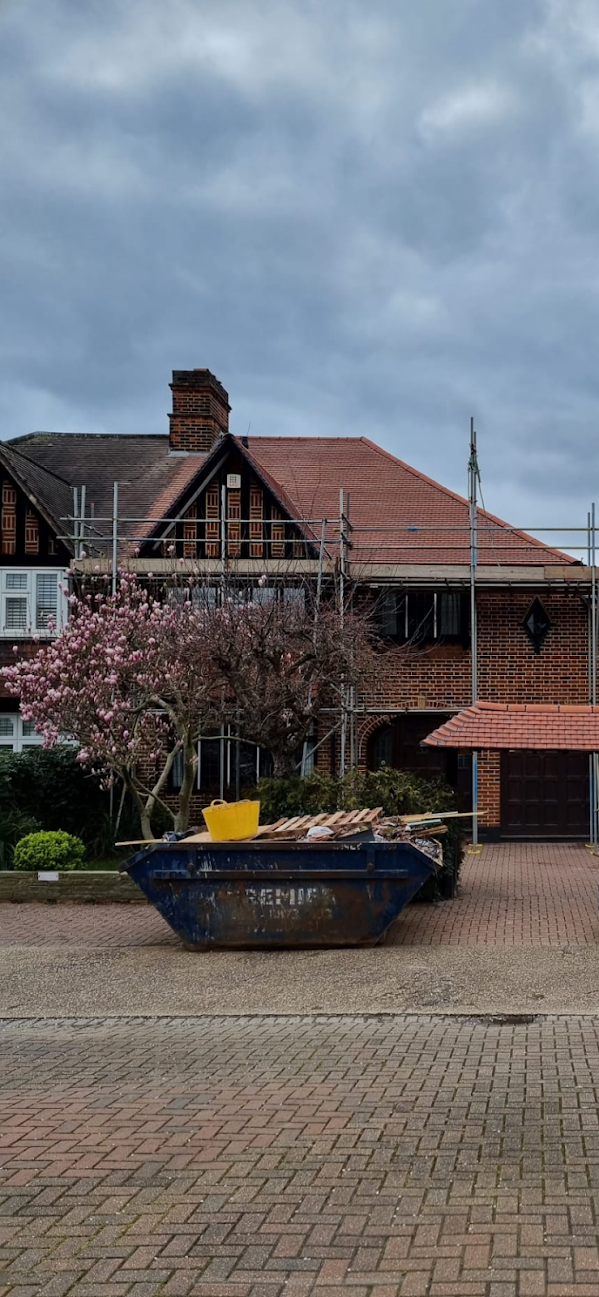
Is It Possible to Replace Part of a Roof?
Partial roof replacement is not only possible but often recommended when damage affects a significant portion of one roof section whilst leaving other areas intact. This approach proves particularly effective for properties with multi-level roofing systems where damage may be concentrated on one elevation or slope.
The replacement process involves carefully removing damaged materials down to the roof deck, inspecting underlying structures, and installing new materials that integrate seamlessly with existing sections. Professional roofers can typically match most roofing materials, ensuring consistent appearance and performance across your entire roof system.
| Roof Section | Typical Replacement Cost (£) | Time Required |
|---|---|---|
| Single slope (terraced house) | £2,500 – £4,500 | 2-4 days |
| Bay window roof | £800 – £1,500 | 1-2 days |
| Extension roof | £1,500 – £3,000 | 2-3 days |
| Dormer roof | £1,200 – £2,500 | 1-3 days |
Can You Patch a Roof Instead of Replacing It?
Roof patching represents an excellent interim solution for addressing minor damage whilst extending the lifespan of your existing roof. Modern patching techniques using advanced sealants, membranes, and repair compounds can effectively address leaks, small holes, and minor deterioration without requiring extensive replacement work.
Effective patching requires proper surface preparation, quality materials, and understanding of water flow patterns across your roof. When executed correctly, patches can provide years of reliable service whilst you plan for eventual roof replacement, making them an economical choice for managing roofing budgets.
| Patch Type | Typical Lifespan | Cost Range (£) | Best Applications |
|---|---|---|---|
| Liquid rubber patches | 10-15 years | £15-50 per m² | Flat roof repairs |
| Lead flashing patches | 20+ years | £25-60 per m² | Valley and chimney repairs |
| Fibreglass patches | 15-20 years | £20-45 per m² | Damaged tiles and slates |
| Emergency temporary patches | 6-12 months | £5-15 per m² | Storm damage |
Can You Replace Just One Side of a Roof?
Replacing just one side of a roof is a perfectly viable option, particularly for semi-detached and detached properties where damage or wear affects only one elevation. This approach allows you to address specific problems without the expense of a complete roof replacement whilst maintaining structural integrity across your property.
Single-side replacement works especially well when age-related deterioration affects south-facing slopes more severely due to increased UV exposure and thermal cycling. The process involves careful material matching and ensuring proper integration at ridge lines and valleys where new work meets existing roofing materials.
For guidance on building regulations and planning requirements for roof work, consult the UK Government’s planning portal which provides comprehensive information about permitted development rights and when planning permission may be required.
Understanding When Partial Roof Repairs Are Right for Your Home
Determining whether partial roof repair suits your specific situation requires careful evaluation of damage extent, roof age, and long-term maintenance goals. Professional assessment can identify whether localised issues represent isolated problems or symptoms of broader roofing system deterioration that might warrant more comprehensive intervention.
Consider partial repairs when damage affects less than 30% of your roof area, underlying structures remain sound, and existing materials are readily available for matching. However, if your roof approaches 20-25 years of age with multiple problem areas, complete replacement might prove more economical in the long term.
The UK Government’s guidance on home maintenance and repairs provides valuable information about building standards and safety requirements that apply to all roofing work, whether partial or complete replacement.
Most successful partial roof repairs share common characteristics: prompt attention to problems before they escalate, use of quality materials that match existing installations, and professional workmanship that ensures proper integration. These factors combine to deliver repairs that blend seamlessly with existing roofing whilst providing years of reliable service.
Professional roofers can assess your specific situation and recommend the most appropriate repair strategy based on damage extent, material availability, and your budget considerations. This expert guidance proves invaluable in making decisions that balance immediate needs with long-term property maintenance goals.
Need Help with Repairing your Roof? Talk to one of our Roof Repair Experts today!
Can You Just Fix Part of a Roof: Frequently Asked Questions
How long do partial roof repairs typically last?
Well-executed partial roof repairs using quality materials can last 15-25 years, matching the lifespan of complete roof installations when properly integrated with existing systems. The longevity depends on material quality, installation standards, and ongoing maintenance practices.
What factors determine whether partial repair is more cost-effective than full replacement?
Partial repairs prove most cost-effective when damage affects less than 30% of the roof area, underlying structures remain sound, and matching materials are readily available. Wikipedia’s comprehensive roofing article provides detailed information about different roofing systems and their typical repair considerations.
Can partial roof repairs affect my home insurance coverage?
Most UK home insurance policies cover partial roof repairs when performed by qualified professionals using appropriate materials and building standards. Always notify your insurer about planned repairs and ensure all work complies with building regulations to maintain coverage validity.
What weather conditions are suitable for partial roof repairs?
Partial roof repairs require dry conditions with minimal wind, typically between March and October in the UK climate. Professional roofers can work in light drizzle using temporary coverings, but heavy rain, snow, or high winds necessitate postponing repair work for safety reasons.
How do I find qualified roofers for partial roof repair work?
Look for roofers with relevant trade certifications, comprehensive insurance coverage, and positive local references from recent projects. Check membership with professional bodies like the National Federation of Roofing Contractors and request detailed written quotes before committing to any repair work.
Will partial roof repairs be visible from ground level?
Skilled roofers can achieve virtually invisible partial repairs by carefully matching materials, colours, and installation techniques to existing roofing systems. Minor colour variations may occur initially but typically weather to match surrounding materials within 6-12 months.
What building regulations apply to partial roof repairs in the UK?
Most partial roof repairs fall under permitted development rights and don’t require planning permission, though building regulations approval may be necessary for structural alterations or significant material changes. Always consult local building control departments for specific requirements.
Can I perform partial roof repairs myself to save money?
DIY roof repairs are generally not recommended due to safety risks, technical complexity, and potential insurance implications. Professional installation ensures proper material integration, structural integrity, and compliance with building standards whilst maintaining warranty coverage.
How much should I budget for typical partial roof repairs?
Partial roof repair costs typically range from £500-5,000 depending on damage extent, material requirements, and access complexity. Obtain multiple quotes from qualified roofers and factor in potential additional costs for underlying structural repairs discovered during work.
What signs indicate that partial repair might not be sufficient?
Multiple leak points, sagging roof sections, widespread tile slippage, or underlying timber deterioration often indicate that complete roof replacement provides better long-term value. Professional assessment can determine whether partial repairs address root causes or merely treat symptoms.
How long does typical partial roof repair work take to complete?
Most partial roof repairs take 1-5 days depending on damage extent, weather conditions, and material requirements. Complex repairs involving structural work or specialised materials may require additional time, whilst emergency patch repairs can often be completed within a single day.
Will partial roof repairs void my existing roof warranty?
Partial repairs using approved materials and professional installation typically don’t void existing warranties, though manufacturer terms vary significantly. Review warranty documentation carefully and consult with your original installer or manufacturer before proceeding with repair work.
What maintenance is required after partial roof repairs?
Regular visual inspections, gutter cleaning, and prompt attention to minor issues help maintain partial repairs effectively. Annual professional inspections can identify potential problems early, ensuring repairs continue providing reliable protection throughout their expected lifespan.
Can partial repairs address multiple roof problems simultaneously?
Comprehensive partial repair projects can address multiple issues including leaks, damaged tiles, flashing problems, and minor structural concerns during a single intervention. This approach often proves more cost-effective than multiple separate repair visits whilst minimising disruption to your household.