

+44 7853 968135
Is it worth it to repair a roof?

When faced with a leaking roof or damaged tiles, homeowners across the UK grapple with a crucial decision that can significantly impact both their finances and property value. The question of whether roof repairs represent a worthwhile investment requires careful consideration of multiple factors, from the extent of damage to long-term property goals.
Understanding the true cost-benefit analysis of roof repairs versus replacement can save homeowners thousands of pounds whilst ensuring their property remains structurally sound and weather-resistant for years to come.
Is It Better to Patch a Roof or Replace It?
The decision between patching and complete roof replacement hinges primarily on the age and condition of your existing roofing system. Professional roofers typically recommend patches for localised damage affecting less than 30% of the roof area, particularly when the underlying structure remains sound and the roof is less than 15 years old.
Complete replacement becomes the more economical choice when repairs would exceed 50% of replacement costs or when multiple areas show signs of deterioration. A comprehensive roof survey can reveal hidden issues such as compromised insulation, structural damage, or widespread tile failure that make patching a temporary solution rather than a permanent fix.
Need some Support with your Roof Repairs? Speak with a member of our Professional Roof Replairs Team here
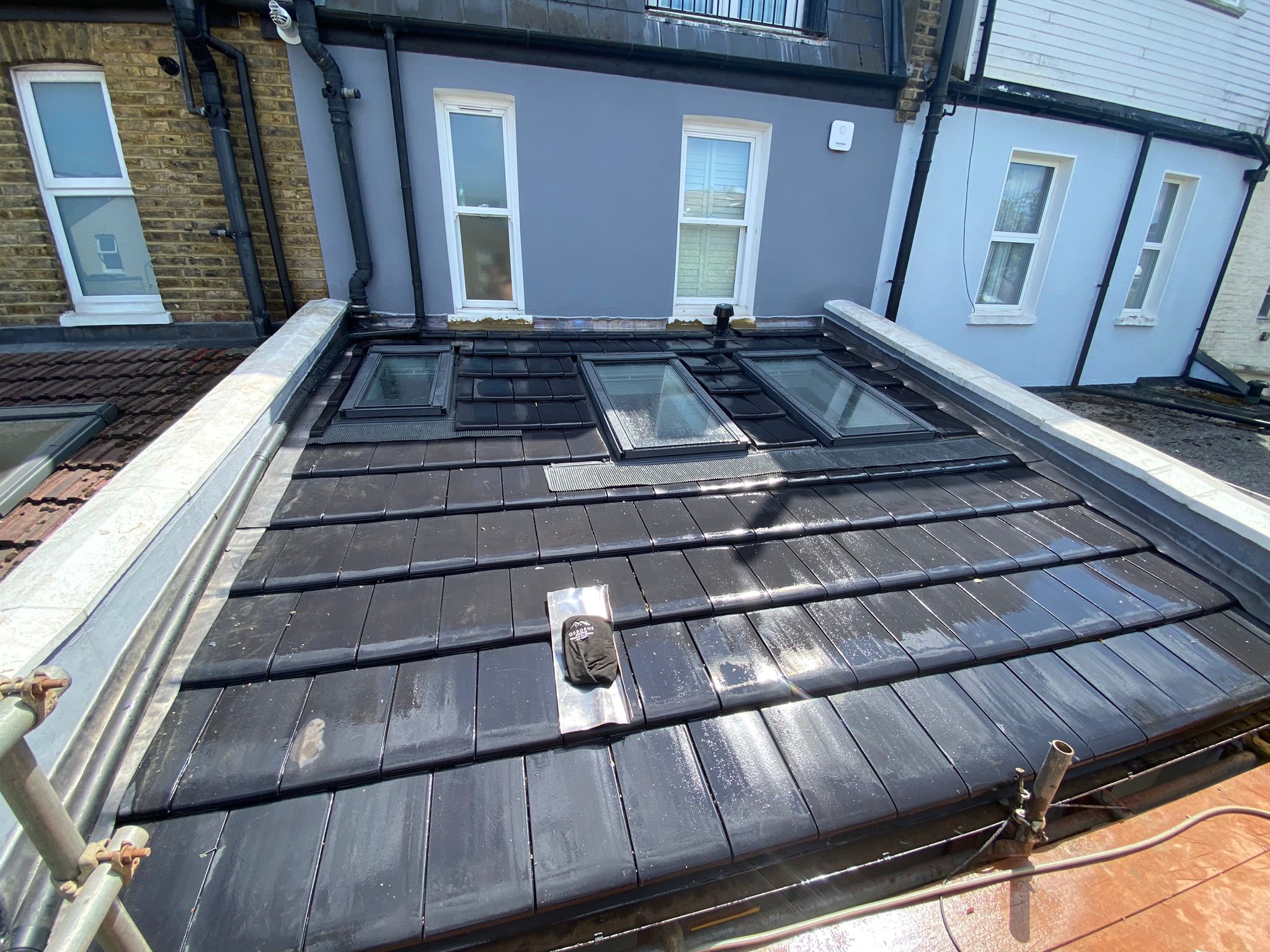
Is It Worth Repairing a Roof?
Roof repairs often provide excellent return on investment, particularly when addressing issues early before they escalate into major structural problems. Minor repairs costing £200-£800 can prevent water damage that might otherwise require thousands of pounds in remedial work to ceilings, walls, and foundations.
The financial benefits extend beyond immediate damage prevention, as well-maintained roofs contribute significantly to property values and energy efficiency. Insurance companies also favour properties with documented maintenance histories, potentially reducing premiums and ensuring coverage remains valid during claims.
Is a Roof Restoration Worth It?
Roof restoration represents a middle ground between basic repairs and complete replacement, involving comprehensive cleaning, repairs, and protective treatments. This approach typically costs 40-60% less than full replacement whilst extending roof life by 10-15 years when performed on structurally sound roofing systems.
The restoration process addresses multiple issues simultaneously, including moss removal, tile re-bedding, gutter repairs, and weatherproofing treatments. Modern restoration techniques often incorporate energy-efficient upgrades and improved ventilation systems that reduce heating costs and enhance indoor comfort levels.
| Roof Condition | Recommended Action | Typical Cost Range | Expected Lifespan Extension |
|---|---|---|---|
| Minor localised damage | Patch repairs | £200-£800 | 5-10 years |
| Moderate wear (30-50% affected) | Restoration | £3,000-£8,000 | 10-15 years |
| Extensive damage (>50% affected) | Full replacement | £8,000-£15,000 | 25-50 years |
| Emergency repairs | Temporary patching | £150-£500 | 1-2 years |
How Often Should You Repair a Roof?
Regular maintenance schedules significantly extend roof lifespan and reduce long-term repair costs, with most UK properties benefiting from professional inspections every 18-24 months. Seasonal maintenance becomes particularly important after severe weather events, which are increasingly common due to climate change impacts across Britain.
Proactive homeowners should budget approximately £300-£600 annually for routine maintenance and minor repairs, spread across gutter cleaning, tile replacement, and weatherproofing treatments. The UK government’s guidance on home maintenance emphasises regular property maintenance as essential for meeting decent homes standards.
| Maintenance Task | Frequency | Average Cost | Potential Issues Prevented |
|---|---|---|---|
| Professional inspection | Every 18-24 months | £150-£300 | Structural damage, leaks |
| Gutter cleaning | Twice yearly | £80-£150 | Water damage, foundation issues |
| Moss/debris removal | Annually | £200-£400 | Tile damage, blocked drainage |
| Flashing inspection | Every 2 years | £100-£200 | Penetration leaks, water ingress |
The timing of repairs also affects costs significantly, with winter emergency callouts typically costing 50-100% more than planned summer maintenance work. Establishing relationships with local contractors during quieter periods ensures priority service and competitive pricing when urgent repairs become necessary.
Planning maintenance around seasonal patterns maximises effectiveness whilst minimising disruption. The Building Research Establishment’s recommendations suggest scheduling major works during dry months between April and September when weather conditions favour comprehensive repairs and protective treatments.
Making Smart Decisions About Roof Repair Value
Determining whether roof repairs represent worthwhile investments requires balancing immediate costs against long-term benefits and property goals. Homeowners planning to remain in their properties for more than five years typically benefit from comprehensive repair approaches that maximise roof lifespan and minimise recurring maintenance costs.
The decision-making process should incorporate professional assessments, insurance implications, and local property market conditions. Estate agents consistently report that well-maintained roofs significantly enhance property marketability and reduce negotiation leverage for potential buyers seeking price reductions.
Modern repair techniques and materials offer enhanced durability compared to traditional approaches, making current investments more valuable than historical repair costs might suggest. Energy-efficient upgrades integrated with roof repairs can qualify for government incentives and deliver measurable reductions in heating bills that offset initial expenditure over time.
Key considerations for maximising roof repair value:
Need Help with Repairing your Roof? Talk to one of our Roof Repair Experts today!
Is It Worth It to Repair a Roof: Frequently Asked Questions
What factors determine if roof repair is more cost-effective than replacement?
The age of your roof, extent of damage, and underlying structural condition are primary factors determining repair viability. Generally, if repair costs exceed 50% of replacement costs or your roof is over 20 years old with multiple issues, replacement becomes more economical.
How long do typical roof repairs last in UK weather conditions?
Professional roof repairs using quality materials typically last 8-15 years in standard UK conditions, though this varies significantly based on exposure to coastal salt air, industrial pollution, and severe weather events. Regular maintenance can extend repair lifespan considerably beyond initial expectations.
What insurance considerations affect roof repair decisions?
Most UK home insurance policies require evidence of reasonable maintenance to validate claims, making documented repairs essential for coverage protection. Some insurers offer premium discounts for properties with recent professional roof surveys and maintenance records.
When is emergency roof repair worth the additional cost?
Emergency repairs become cost-effective when preventing immediate water damage to interior spaces, electrical systems, or valuable possessions that exceed repair costs. However, emergency work should be followed by comprehensive permanent repairs when conditions permit.
How do roof repairs affect property values?
Well-documented roof maintenance typically adds 2-4% to property values whilst poor roof condition can reduce offers by 5-10% due to buyer concerns about immediate repair requirements. Professional survey reports demonstrating recent maintenance work significantly enhance marketability during property sales.
What seasonal timing provides the best value for roof repairs?
Spring and early summer offer optimal conditions for roof repairs, with better weather, competitive contractor pricing, and adequate time for materials to cure properly. Winter emergency repairs typically cost 50-100% more due to difficult working conditions and urgent callout charges.
How can homeowners identify when roof repairs become uneconomical?
Multiple concurrent issues affecting different roof areas, structural damage requiring scaffold access, or repair estimates exceeding 60% of replacement costs typically indicate that full replacement offers better long-term value. Independent structural surveys provide objective assessments for major repair decisions.
What government support exists for roof repairs in the UK?
The UK government provides various grants through local councils for essential repairs, particularly for elderly or disabled homeowners, whilst energy-efficient roof upgrades may qualify for green home grants. Check the gov.uk website for current schemes and eligibility criteria.
How do modern roofing materials affect repair value propositions?
Contemporary roofing materials offer enhanced durability, energy efficiency, and weather resistance compared to traditional options, making current repairs more valuable long-term investments. Advanced synthetic tiles and membranes can extend roof life by 20-30% over conventional materials whilst reducing maintenance requirements.
What role does roof pitch play in repair versus replacement decisions?
Steep roof pitches increase labour costs and safety requirements for both repairs and replacement, making comprehensive repairs more attractive when structural integrity remains sound. Shallow pitches may favour replacement due to enhanced drainage benefits and reduced ongoing maintenance needs.
How do local planning permissions affect roof repair options?
Most routine roof repairs require no planning permission, though conservation areas and listed buildings may have restrictions on materials and methods. Significant alterations or complete replacements in sensitive areas may require approval, affecting timeline and costs for major projects.
What warranty expectations should homeowners have for professional roof repairs?
Reputable contractors typically provide 5-10 year warranties on repair workmanship with material guarantees varying by manufacturer, making documented professional work significantly more valuable than DIY approaches. Extended warranties often justify higher initial costs through long-term protection and peace of mind.
How do energy efficiency considerations impact roof repair decisions?
Modern roof repairs can incorporate improved insulation and ventilation systems that reduce heating costs by 10-20%, making comprehensive repairs more valuable than basic patching approaches. Integration with renewable energy systems during repair work maximises return on investment for forward-thinking homeowners.
What role does roof age play in determining repair worthiness?
Roofs under 10 years old typically justify most repair investments, whilst those over 25 years require careful cost-benefit analysis comparing repair costs to remaining expected lifespan. The comprehensive information available on Wikipedia’s roofing page provides detailed technical background for understanding roof longevity factors.