

+44 7853 968135
How much roughly does it cost to replace a roof?

Replacing your roof represents one of the most substantial investments you’ll make in your property, with costs varying significantly based on numerous crucial factors that homeowners often overlook. The financial commitment extends well beyond the initial quotation, encompassing everything from material selection and labour costs to regional pricing variations and unexpected structural discoveries. Understanding these comprehensive costs empowers you to make informed decisions that protect both your property and your financial future.
Many UK homeowners find themselves caught off guard by the true cost of roof replacement, particularly when emergency situations arise without adequate preparation or budgeting. This comprehensive guide examines every aspect of roof replacement pricing, from basic material costs to hidden expenses that can dramatically impact your final bill. Whether you’re planning a proactive replacement or responding to urgent repair needs, understanding the complete financial picture ensures you approach this significant investment with confidence and clarity.
What Are the Average Roof Replacement Prices Across Different UK Regions?
The geographical location of your property plays a pivotal role in determining roof replacement costs, with variations of up to 40% between the most and least expensive regions across the United Kingdom. London and the South East consistently command premium prices, typically ranging from £8,000 to £20,000 for standard semi-detached properties, whilst Northern England and Wales offer more competitive rates between £5,000 and £12,000 for comparable work. These regional disparities reflect fundamental differences in labour costs, material transportation expenses, and local market dynamics that directly impact your bottom line.
Beyond simple north-south divides, specific metropolitan areas create their own pricing microclimates based on local demand, contractor availability, and economic conditions. Cities like Edinburgh, Bath, and Cambridge often match or exceed London prices due to high property values and specialised conservation requirements, whilst industrial towns in the Midlands and North typically offer more budget-friendly options. Rural locations present unique challenges, potentially increasing costs through limited contractor availability and extended travel times, despite generally lower base labour rates.
Need some Support with your Roof Replacements? Speak with a member of our Professional Roof Replacement Team here
How Do Different Roofing Materials Impact Total Replacement Costs?
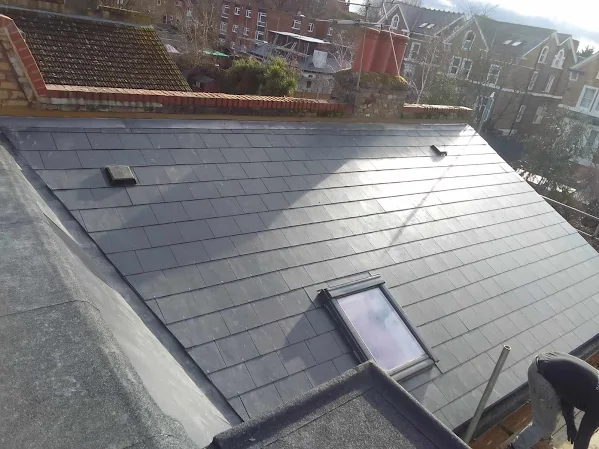
Material selection fundamentally determines both your immediate investment and long-term value proposition, with options ranging from economical concrete tiles to premium natural slate that can last over a century. Concrete tiles, the UK’s most popular choice, typically cost £40-60 per square metre including basic installation, offering reasonable durability at an accessible price point for most homeowners. Clay tiles present a middle-ground option at £60-100 per square metre, providing enhanced aesthetic appeal and superior longevity that justifies the additional investment for many property owners.
Premium materials like Welsh slate or imported Spanish tiles command prices exceeding £150 per square metre but deliver exceptional durability and aesthetic value that can transform your property’s appearance and market appeal. Modern synthetic alternatives, including composite tiles and rubber slate, offer interesting compromises between cost and performance, typically priced at £70-90 per square metre whilst providing excellent weather resistance and reduced maintenance requirements. The choice between these materials should consider not just initial costs but also expected lifespan, maintenance requirements, and compatibility with your property’s architectural style and local planning regulations.
What Is the Cheapest Way to Replace a Roof?
The most economical approach to roof replacement involves careful material selection, strategic timing, and thorough preparation rather than compromising on essential quality standards. Concrete tiles represent the most cost-effective roofing material, offering decent durability at approximately £40-60 per square metre including basic installation.
Timing your replacement during off-peak seasons (typically late autumn or early spring) can yield significant savings, as roofing contractors often offer competitive rates during quieter periods. Additionally, obtaining multiple detailed quotes allows you to compare not just prices but also included services and material specifications.
| Cost-Saving Strategy | Potential Savings | Considerations |
|---|---|---|
| Off-season timing | 10-20% | Weather dependent |
| Multiple quotes | 15-25% | Quality comparison essential |
| Basic materials | 20-30% | Longevity trade-offs |
| Partial DIY prep | 5-10% | Safety and skill requirements |
However, avoiding false economy proves crucial when pursuing budget-friendly options. Choosing the cheapest contractor or materials without proper vetting can lead to costly repairs, warranty issues, and premature replacement requirements that ultimately exceed the initial savings.
DIY preparation work, such as removing old tiles or clearing gutters, can reduce labour costs whilst ensuring you understand your roof’s condition. Nevertheless, actual installation should always remain with qualified professionals to maintain safety standards and insurance coverage validity.
Will a New Roof Add Value to a House?
A new roof typically adds substantial value to your property, with most homeowners recouping 60-80% of their investment through increased market value. Estate agents consistently rank roofing condition among the top factors influencing buyer decisions, as it directly impacts both aesthetic appeal and structural integrity perceptions.
The value addition depends heavily on your property’s current condition and local market dynamics. Replacing a deteriorating roof that deters potential buyers can yield higher returns than upgrading an already adequate roof, particularly in competitive housing markets where presentation significantly influences sale prices.
Beyond immediate market value, a new roof enhances your property’s marketability by eliminating a major concern for prospective buyers. Mortgage lenders and surveyors view recent roof replacements favourably, potentially facilitating smoother transactions and reducing the likelihood of price negotiations based on structural concerns.
Energy efficiency improvements from modern roofing materials and insulation upgrades can further boost your property’s appeal, particularly as environmental consciousness and utility costs continue rising. Properties with demonstrable energy efficiency credentials often command premium prices and attract environmentally conscious buyers willing to pay additional amounts for sustainable features.
Comprehensive Guide to UK Roof Replacement Costs
Understanding the complete financial picture of roof replacement helps you make informed decisions that balance immediate costs against long-term benefits. Professional installation represents the most significant expense component, typically accounting for 60-70% of total project costs, whilst materials constitute the remaining 30-40%.
The UK government provides guidance through the Building Regulations framework, which ensures all roof replacements meet current safety and energy efficiency standards. These regulations may require additional insulation or structural modifications that impact overall project costs but provide long-term value through improved energy performance.
Planning permission requirements vary depending on your property type and proposed changes, with most standard roof replacements falling under permitted development rights. However, properties in conservation areas or listed buildings may require additional approvals, which can extend timelines and increase costs through specialised materials or techniques.
Need Help with Replacing your Roof? Talk to one of our Roof Replacement Experts today!
Roofing Cost Frequently Asked Questions
How long does a typical roof replacement take in the UK?
Most standard roof replacements take 5-10 working days depending on property size and complexity. Weather conditions can extend this timeline, particularly during winter months when working hours may be reduced.
Do I need planning permission to replace my roof?
Standard roof replacements using similar materials typically fall under permitted development rights and don’t require planning permission. However, listed buildings or properties in conservation areas may need additional approvals from local authorities.
What’s included in a typical roof replacement quote?
Comprehensive quotes should include materials, labour, scaffolding, waste removal, and basic repairs to roof structure. Always clarify what’s excluded to avoid unexpected costs during the project.
How often should I replace my roof?
Most UK roofs last 20-50 years depending on materials and maintenance, with concrete tiles lasting 30-50 years and slate potentially lasting over 100 years. Regular inspections help identify replacement timing before emergency situations arise.
Can I claim roof replacement costs on house insurance?
Insurance typically covers roof replacement only if damage results from covered perils like storms or fire. General wear and tear or maintenance issues aren’t usually covered by standard home insurance policies.
What’s the difference between roof repair and replacement costs?
Minor repairs typically cost £200-800, whilst major repairs can reach £2,000-4,000. Replacement becomes cost-effective when repair costs exceed 40-50% of replacement costs or when multiple repairs are needed annually.
Should I replace my roof before selling my house?
A new roof can add 60-80% of its cost to your property value and improve marketability. However, consider timing carefully as buyers may prefer to choose their own materials and contractors for such major work.
What roofing materials last longest in the UK climate?
Slate offers exceptional longevity (60-100+ years) but costs significantly more than alternatives. Clay tiles provide good durability (40-60 years) at moderate cost, whilst concrete tiles offer decent performance (30-50 years) at budget-friendly prices.
How do I find reliable roofing contractors?
Use trade association directories like the National Federation of Roofing Contractors to find certified professionals. Always obtain multiple quotes, check references, and verify insurance coverage before committing to any contractor.
What happens if structural problems are discovered during replacement?
Structural issues add £1,000-5,000+ to replacement costs depending on severity. Reputable contractors will halt work and provide detailed quotes for necessary repairs before proceeding with the roof installation.
How much does roof replacement cost per square metre?
Installation costs range from £80-120 per square metre for basic materials to £200-300 per square metre for premium options. Complex roof designs with multiple angles or features command higher per-square-metre rates due to increased labour requirements.
What’s the best time of year to replace a roof?
Late spring through early autumn offers optimal conditions, though off-season replacement during winter months can yield cost savings of 10-20%. Avoid replacement during extreme weather periods when safety and quality may be compromised.
Do new roofs come with warranties?
Most professional installations include 10-25 year warranties covering materials and workmanship. Premium materials like slate or copper often carry longer manufacturer warranties, whilst installation warranties depend on contractor policies and industry standards.